


Criminal cases linked to Usmanov closed in Germany
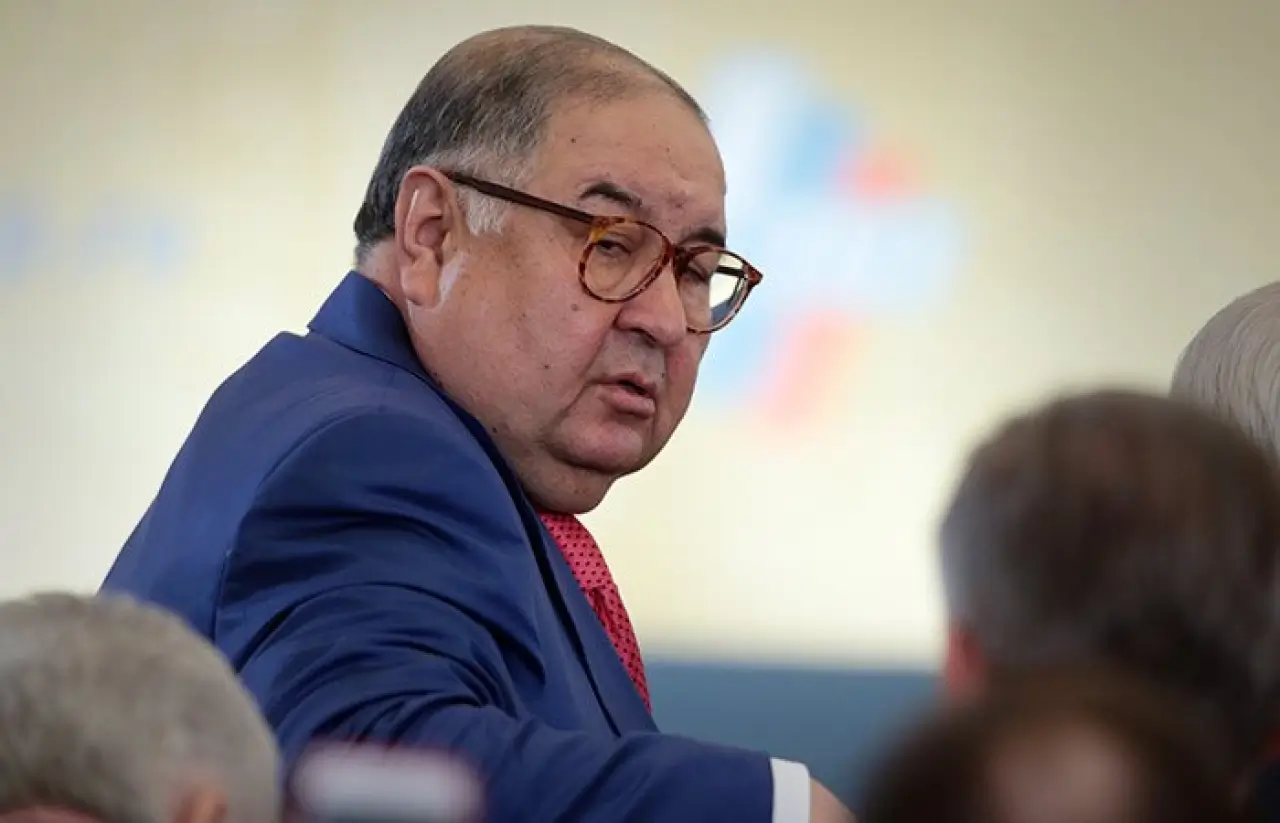
Legal disputes in Germany surrounding Alisher Usmanov, founder of the USM holding, have ended in his favor. The Munich prosecutor’s office officially announced that it had halted an investigation launched on suspicion that the businessman violated the sanctions regime. Usmanov’s representatives, whose wealth Forbes estimates at $16.7 billion, also confirmed the news. This was reported by upl.uzreports.
The case was closed under Section 153a of Germany’s Code of Criminal Procedure. This provision allows proceedings to be discontinued upon fulfillment of certain obligations without requiring an admission of guilt. In this instance, Usmanov chose to make a voluntary financial contribution to charitable causes. The defense says this decision rules out the possibility of reopening the case over the same episodes, and the businessman remains protected by the presumption of innocence.
According to prosecutors, from spring to autumn 2022 Usmanov may have financed security-service costs for real estate in the Rottach-Egern area of Bavaria through foreign legal entities. Law enforcement also examined the possibility that assets were concealed from declaration to Germany’s Federal Office for Economic Affairs and Export Control (BAFA). These episodes were merged into a single case this year, but lawyers argued there was no link between Usmanov and the mentioned company or assets, insisting that applying EU sanctions lacked a legal basis.
This is another major outcome in Germany recorded in favor of Usmanov’s defense. Earlier, in November 2024, the Frankfurt am Main public prosecutor’s office also closed a case on suspicion of money laundering. That proceeding reviewed suspicions of tax evasion exceeding €500 million, while the defense showed that Usmanov has been a Russian tax resident since 2014 and has met all obligations to the Russian budget. Within international agreements to avoid double taxation, this reportedly meant Germany could not demand the same payments for its budget.
As a reminder, Alisher Usmanov was added to the European Union’s sanctions lists in February 2022. He has repeatedly described the decision as unfounded and one-sided, arguing that principles such as property rights and protection of private life were violated. Although EU courts previously rejected his claims, the businessman has actively continued defending his reputation through lawsuits against Western media outlets.
In particular, in early 2024 a Hamburg court ruled for the claimant in a dispute with Forbes and found false the allegations that Usmanov allegedly acted in the interests of Russia’s leadership. In February 2025, a similar decision was issued in the case involving Berlin’s Tagesspiegel newspaper—the court barred the dissemination of theses that EU officials had used as the formal justification for restrictions.
In practice, Section 153a—under which the case was closed in Germany—is often called a “golden bridge”: the state can end a lengthy and costly investigation by offsetting the public interest with a certain payment, after which the person does not legally receive the status of “guilty,” since this is not a conviction.


Comments 0
…