


Flexible Battery That Retains Power Even After 45,000 Charges
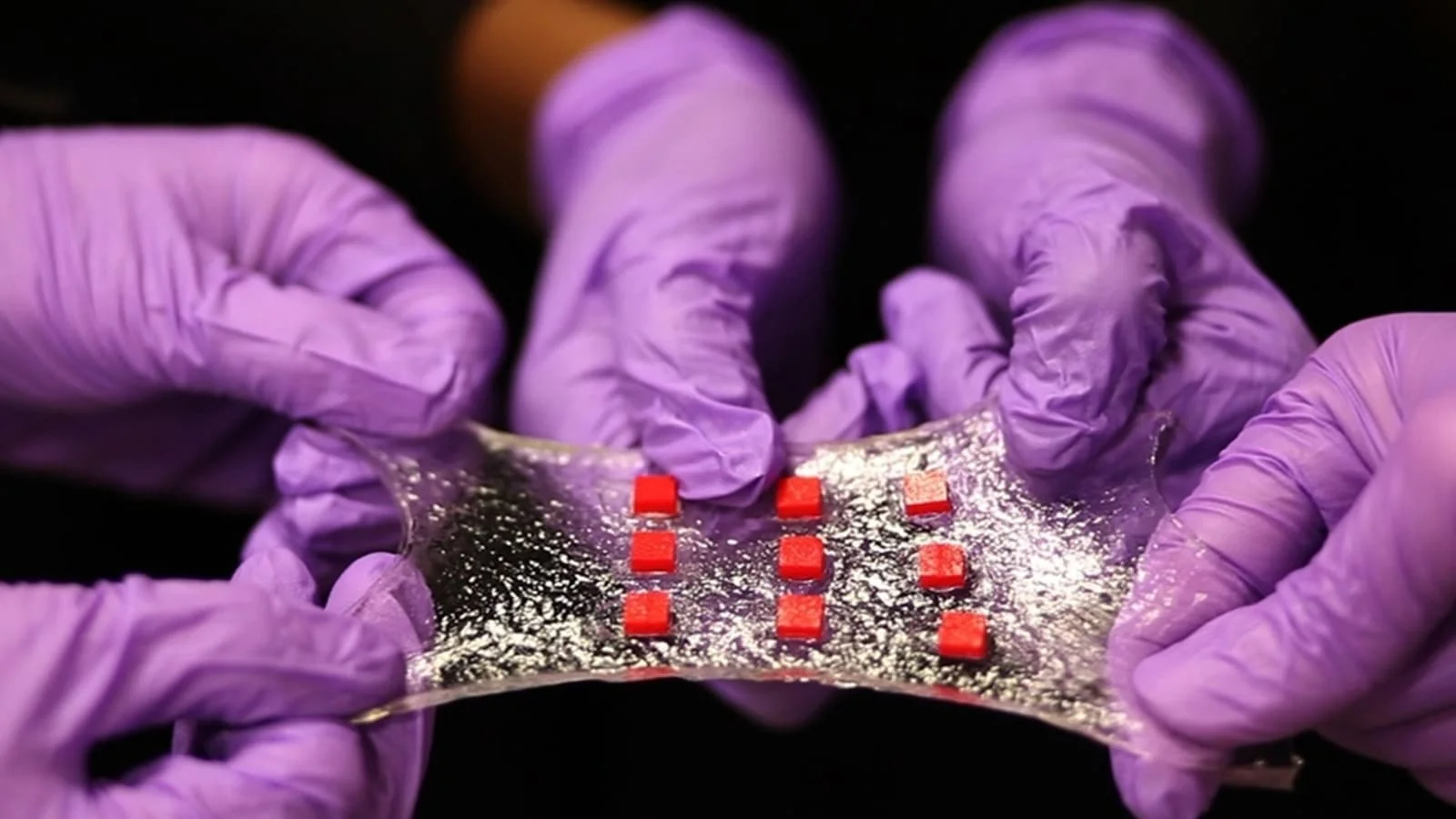
Scientists at Sungkyunkwan University (SKKU) in South Korea have developed a new type of hydrogel electrolyte for flexible batteries. This material retains its performance even in extreme cold and can withstand severe deformation. Researchers note that the new material can stretch up to nine times its original length and continues to conduct ions efficiently at temperatures as low as -20 °C. According to Ixbt.com reports .
One of the main challenges in flexible electronics has been the fragility of power sources. Traditional hydrogels quickly degrade under high stress and lose their properties in the cold as the water within them freezes. The new development solves these problems using liquid metal particles crushed via ultrasound. This method allows polymerization to occur without heat or ultraviolet light, significantly simplifying production.
To ensure the material's durability, stearyl methacrylate was added, forming reversible bonds between polymer chains. These bonds temporarily break during stretching and restore themselves once the tension is released. To enhance cold resistance, the hydrogel was treated with a lithium chloride solution, which lowers the freezing point of water and maintains the electrolyte's elasticity.
Laboratory tests demonstrated the technology's exceptional durability. Energy storage devices based on the new hydrogel retained 98% of their initial capacity even after 45,000 charge and discharge cycles. This figure is significantly higher than that of many battery solutions currently available for wearable electronics.
According to the authors, this technology will form the basis for a new generation of flexible batteries designed for smartwatches, medical sensors, and electronic textiles. Such devices will be capable of stable operation under both constant deformation and cold climate conditions.


Comments 0
…