


New system for the safety of mahallas: leaders will be assigned by name
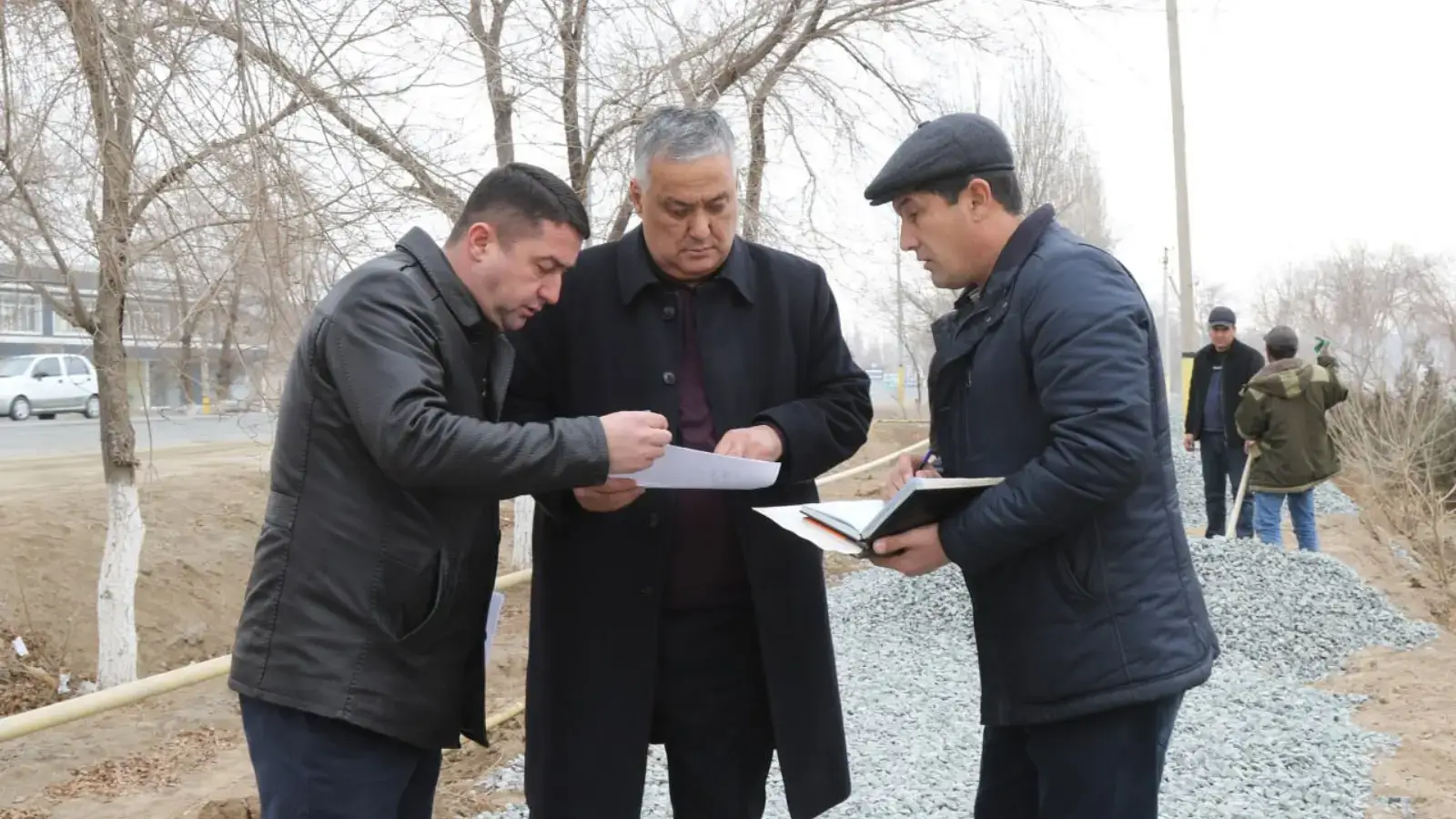
On January 5, 2026, a presidential decree "On Additional Measures Aimed at Implementing a Integrated Targeted Work System to Create a Safe Environment in Mahallas of the Republic" was adopted. It provides for more precise and personal organization of responsibility for the early prevention of crime in mahallas, timely detection and solution of problems on the spot.
In accordance with the resolution, during 2026, in order to strengthen targeted work in the regions, mahallas will be assigned to responsible managers and organizations. That is, the question of "who is responsible?" does not hang in the air: for each dangerous point, specific responsible persons are assigned.
Which mahallas will be assigned to whom?
1. Mahallas with a Criminogenic Situation
Such territories are assigned to khokims of districts (cities), prosecutors, heads of internal affairs bodies and their deputies. The goal is clear: to change the difficult situation not on paper, but in the mahalla, with real work.
2. Mahallas that have been in the "red" category for 5 years
These mahallas will be assigned to the heads of territorial departments of the National Guard, deputy heads of internal affairs bodies at the regional level, and deputy khokims. This means that places that have been in the hazardous category for the longest time will be under the control of higher-level managers.
3. Mahallas that have been in the "red" category for 3 years
They will be assigned to educational and scientific organizations of law enforcement agencies. The approach here is somewhat different: the emphasis is on analyzing the causes, strengthening preventive mechanisms, and systematizing solutions on an educational and scientific basis.
4. Districts and cities with the most serious criminogenic situation
The most complex districts and cities will be assigned to the first deputy prosecutors and heads of internal affairs bodies at the regional level. That is, in the "difficult front," leaders with high decision-making authority come to the forefront.
5. Women's crime, alcohol/drug abuse, conflict families, many neighborhoods
Such territories are assigned to the heads of the relevant sectors with a special approach:
- regional departments of family and women's affairs,
- healthcare departments,
- heads of justice departments
This means that it is planned to influence the problem not only through "punishment," but also through socio-psychological, medical, and legal solutions.
What will change?
Based on the content of the resolution, the main idea is one: every problematic mahalla should not be "ignored," the factors leading to crime should be identified early, and those responsible should conduct work purposefully, based on results.
The truth is this: a safe neighborhood is not just a camera or patrol. This is order, responsibility, prevention, and regular communication with people. The new system brings these four together and leads to the rule that "everyone should be responsible for their territory." Now it's not about the decision - it's about the actual result.



Comments 0
…