


Five countries send troops to security forces in Gaza
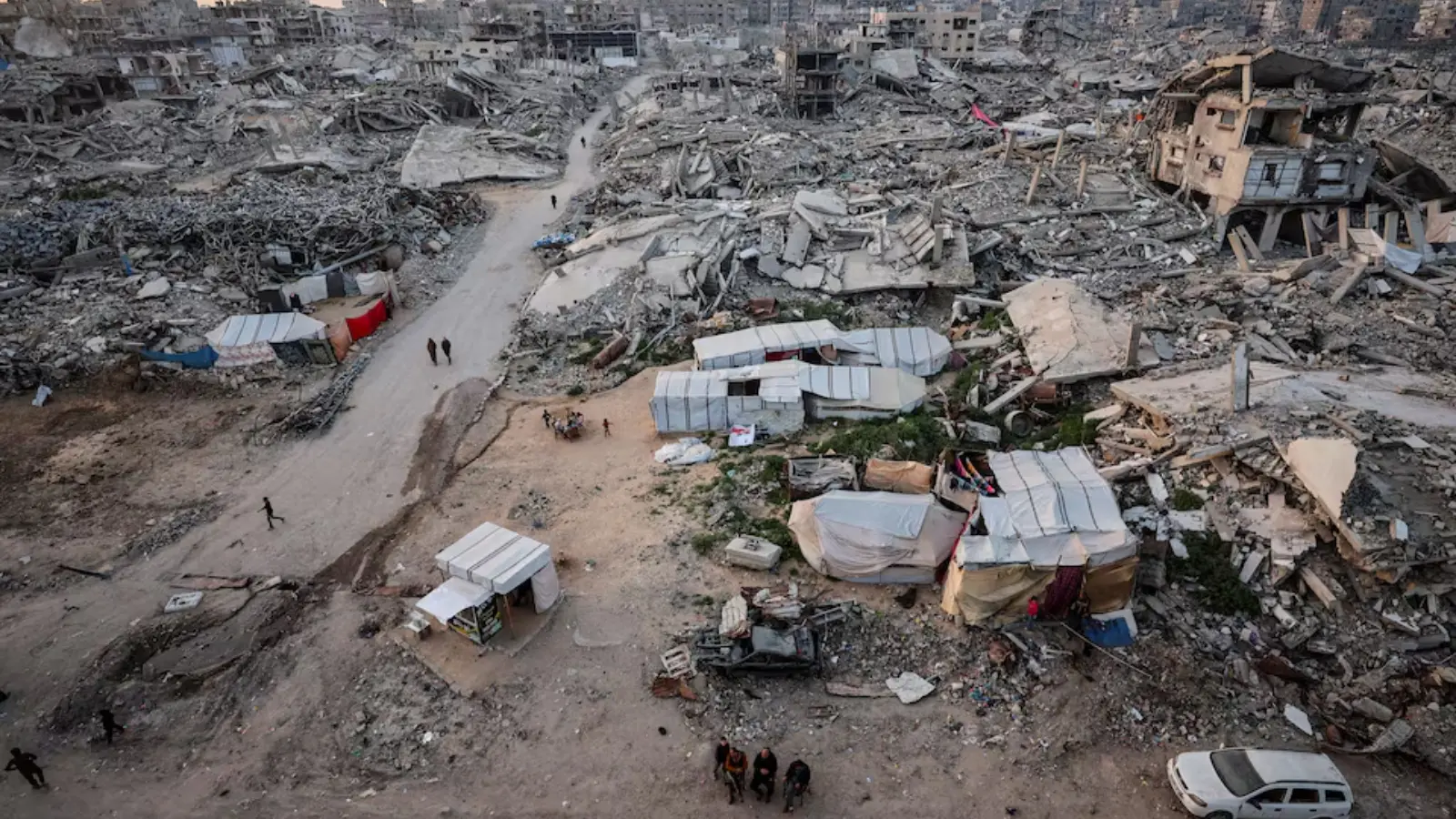
New security plans around the Gaza Strip have reached another phase: the first five countries agreed to send troops to serve as part of the International Security Forces (ISF). This was announced by ISF Commander Major General Jasper Jeffers at the first meeting of the "Peace Council" held in Washington on February 19.
According to the commander, the first five countries ready to send troops to the ISF are Indonesia, Morocco, Kazakhstan, Kosovo, and Albania. It was also reported that Egypt and Jordan have committed to training and educating their police.
According to the plan, the forces will first deploy around Rafah in the southern Gaza Strip and begin training the police in this area. Then the security system will expand "sector by sector," meaning control can gradually spread to other regions.
According to Jeffers, the long-term large-scale plan envisions increasing the total ISF contingent to 20,000 military personnel and training 12,000 police officers. These figures are also a signal that security in Gaza is seen not as a "short-term campaign," but as a long-term system.
Meanwhile, controversial, but major decisions are being made in the infrastructure area. The Guardian reported that the Donald Trump administration plans to build a military base on an area of approximately 140 hectares in southern Gaza. The report states that it could serve as an operational center for the ISF and be designed to accommodate up to 5,000 military personnel, while the contractor has already inspected the land.
In short, behind the words "peace" now lies major logistics, major security architecture, and major political disputes. Questions will also increase around steps such as, on the one hand, establishing order and training the police, and on the other hand, dividing into foreign troops, sectors, and building bases.
The main hope for fans and ordinary people is one: any plan, any work of force should ultimately serve the safety of civilians and the restoration of life. That's it, the rest is technology and protocol.



Comments 0
…