


Oil and gas prices rose sharply
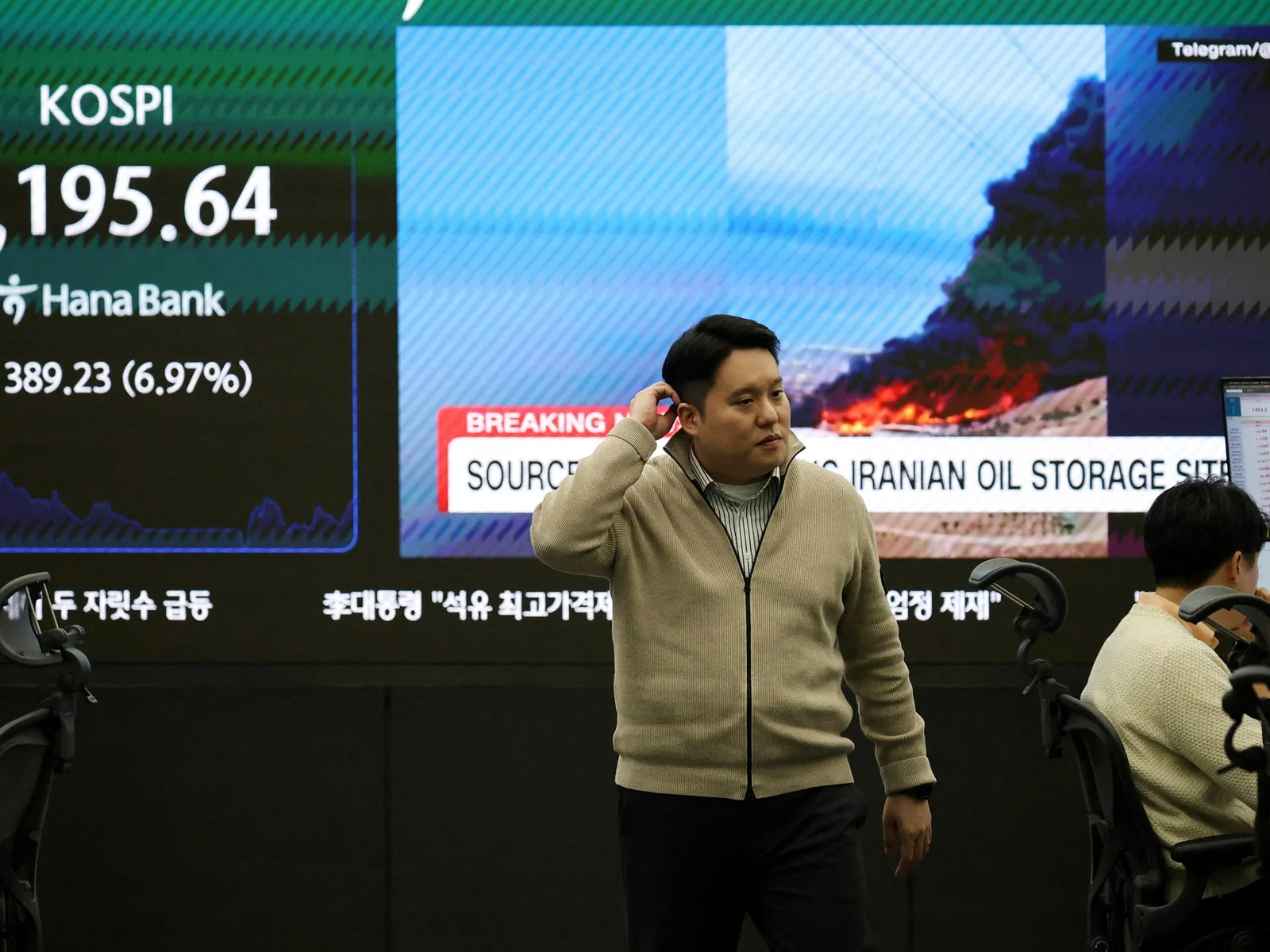
The war involving the United States, Israel and Iran is sending shockwaves through the global economy, with energy markets showing the clearest signs of stress. Since the strikes began on February 28, attacks on ships, oil sites and military bases have disrupted trade across the Gulf and pushed up fears of a wider economic slowdown. Reports Aljazeera.com.
One of the biggest pressure points is the Strait of Hormuz, a narrow waterway that handles about one fifth of the world’s oil and gas supplies. Reduced traffic there, along with attacks on tankers and energy infrastructure, has lifted Brent crude to about $106 a barrel, more than 40 percent above its level before the conflict. Liquefied natural gas prices have climbed even faster, rising nearly 60 percent.
The disruption has been especially serious after QatarEnergy suspended LNG production on March 2 following an Iranian drone attack. Because Qatar provides around 20 percent of global LNG, buyers in Asia are now racing to secure alternative supplies at higher prices. China, India, Japan and South Korea are among the countries most exposed.
Higher fuel costs are now spreading through national economies. Data from Global Petrol Prices shows that at least 85 countries have already reported rising petrol prices since February 28. Economists warn that if the conflict lasts for months, oil could rise much further, increasing the risk of weaker growth and even recession in import-dependent economies.
[media=https://datawrapper.dwcdn.net/HOItT/6/] [media=https://datawrapper.dwcdn.net/s32xv/2/] [media=https://datawrapper.dwcdn.net/9Bw7R/6/]


Comments 0
…