


Alaska’s Coastal Ice is Melting Faster than Expected
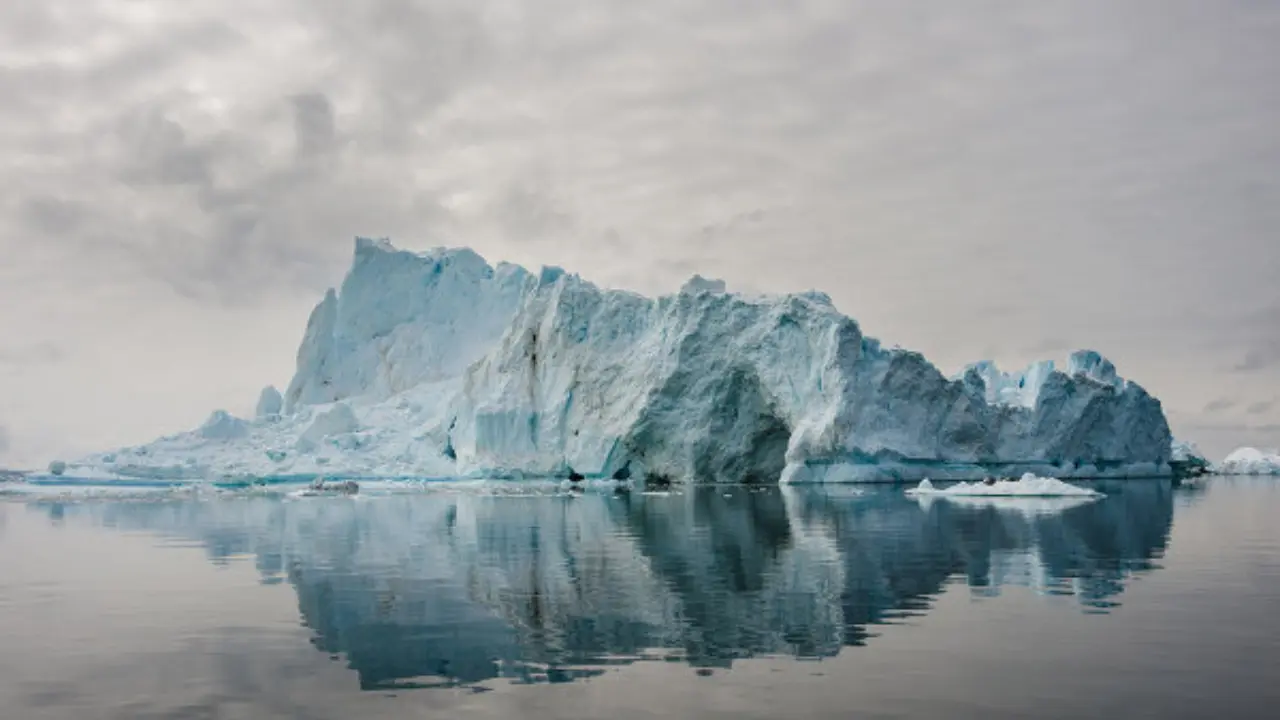
Along Alaska’s northern coast, the ice season has significantly shortened over the past 27 years. This was reported in a study published in the “Journal of Geophysical Research: Oceans” by the University of Alaska in Fairbanks.
It has been found that in the Chukchi Sea the ice season has shortened by 57 days, and in the Beaufort Sea by 39 days. Ice forms later in autumn and, in some areas, breaks up earlier than usual in spring.
Fast ice (attached ice) is ice that sticks to the shore and does not drift away under wind or current influence, and it is particularly important for Alaska’s local population: it provides pathways for hunting and fishing, maintains seasonal ice routes for the oil and gas industry, and protects the coastline from wave erosion.
The shortening of the ice season weakens the coasts and creates unpredictable conditions for hunting. Especially concerning is the situation in the Beaufort Sea, which remained stable until the early 2000s. Currently, ice there does not extend as far from the coast as it used to. Researchers link this to the overall softening of Arctic sea ice: soft ice forms fewer ice chains that act as “anchors” for fast ice on the seabed.


Comments 0
…