


Why does everyone dream differently? Scientists have found the answer
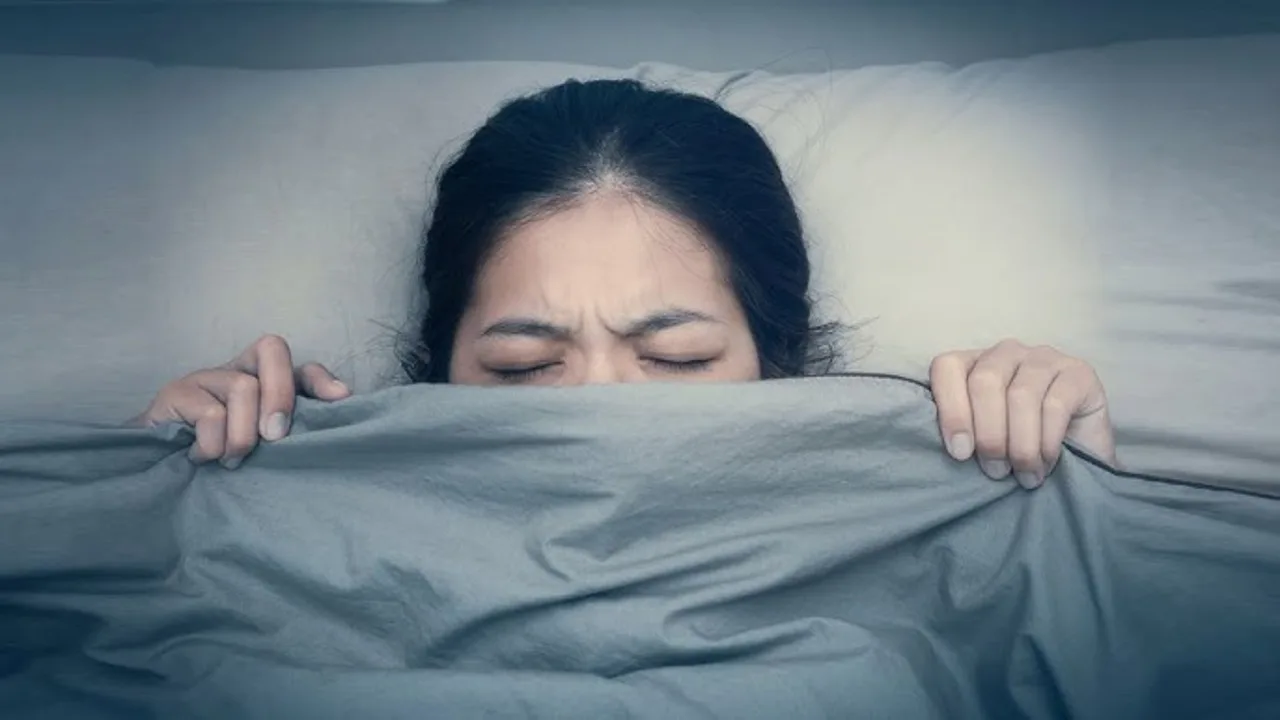
Some people’s dreams are extremely vivid, clear and very close to real life. Others’ dreams are hazy, fragmented and constantly changing. Scientists have managed to explain why people dream differently. New research conducted by researchers at the IMT School in Lucca, Italy, has shown that dreams do not arise randomly; rather, they are closely linked to a person’s individual characteristics, inner experiences and the events taking place in their lives.
As part of the study, more than 3 700 dreams and daytime experiences of 287 participants aged 18 to 70 were thoroughly analyzed. The scientific observations lasted two weeks. During this period, participants recorded the dreams they had each day, as well as important events and emotional experiences that occurred during the day. At the same time, the scientists systematically studied the participants’ sleep patterns, cognitive abilities, thought processes and psychological states.
Artificial intelligence technologies were used to process the large volume of data collected. Modern algorithms identified links between the nature and content of dreams and characteristics specific to human personality. In particular, it was found that imaginative people with vivid fantasies more often have dreams with fragmented, rapidly changing and unusual plots. At the same time, the dreams of people who attach great importance to dreams and think more about their meaning were observed to be richer in content, more coherent and emotionally more stable.
Another interesting conclusion was reached when events recorded during waking life were compared with dream descriptions. It turned out that the human brain does not simply copy events experienced during the day. Instead, it reworks them and combines them with various memories, emotions and imaginings to create entirely new scenes. For example, familiar places such as an office, hospital or school can become mixed with other settings in dreams, turning into unexpected and unusual scenes.
Scientists also conducted an in-depth analysis of the extent to which major events and dramatic changes in a person’s life affect dreams. Data collected during the COVID-19 pandemic and quarantine showed that people’s dreams became more vivid, intense and emotionally powerful during this period. Themes related to restrictions, enclosed spaces and anxiety appeared frequently in them. However, as time passed and people began adapting to the new circumstances, these themes gradually began to disappear from their dreams as well.
According to experts, this clearly demonstrates that the content of dreams changes alongside major changes occurring in a person’s life and the psychological reactions they trigger.
«Our results show that dreams are not simply echoes of past experiences. They are a complex and constantly changing dynamic process shaped by who a person is, what personality traits they possess and what they are currently going through», says Valentina Elche, a researcher at the IMT School.
The findings of this study are considered significant because they further enrich scientific understanding of dreams and offer deeper insight into the complex relationship between the human mind, memory and psychology.


Comments 0
…