


Time acceleration experiment using 'mini-brains' on the International Space Station
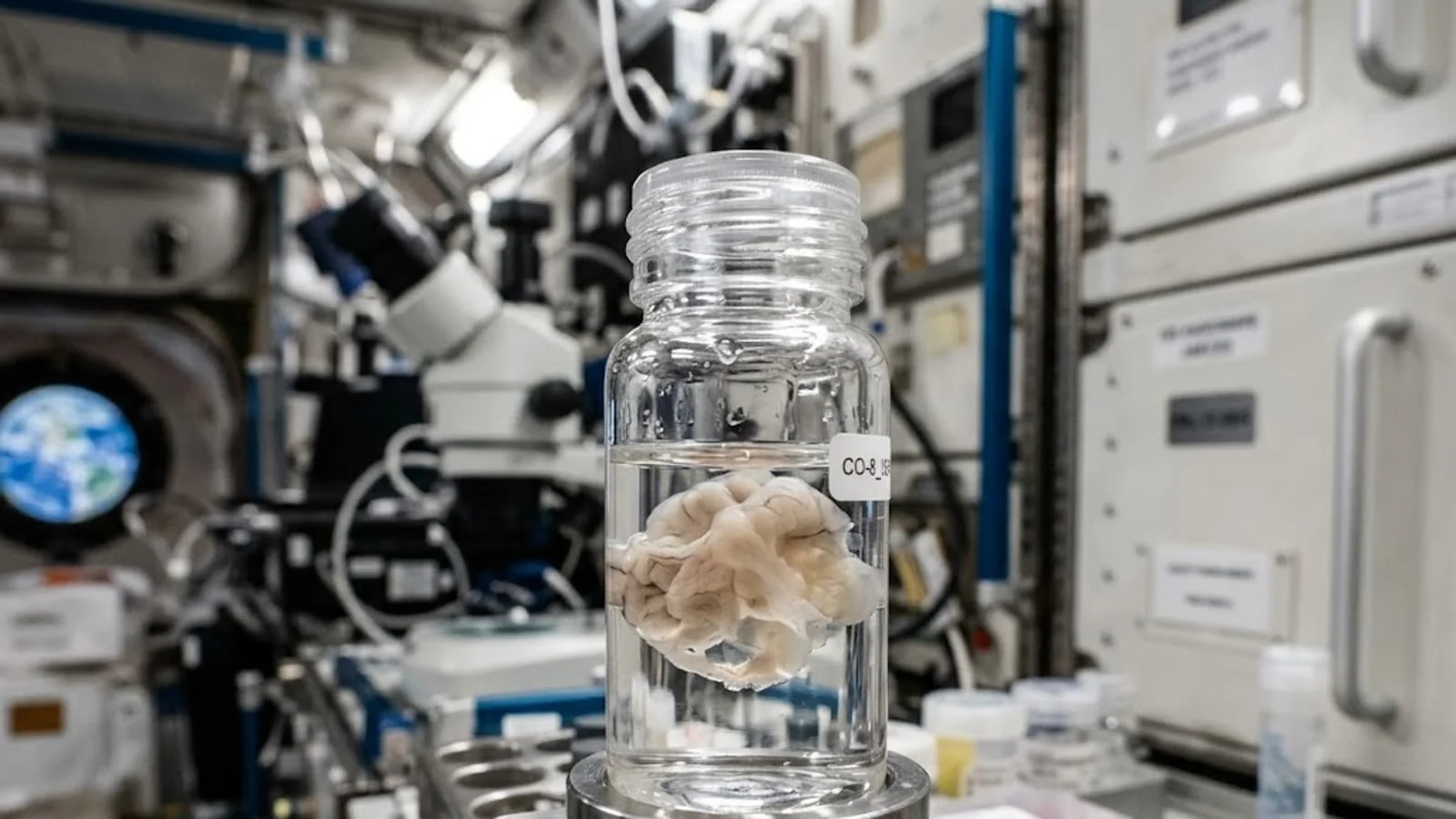
A unique 30-day experiment conducted on the International Space Station (ISS) has ushered in a new era in neurobiology. A group of scientists led by Alysson R. Muotri used human brain organoids, or "mini-brains," to observe the development and degeneration of neurons in microgravity. The research results confirmed that space accelerates the aging process of biological tissues several times faster than on Earth, a phenomenon known as the "phenotypic compression" effect. As reported by Ixbt.com reports.
During the experiment, organoids grown from iPSCs (induced pluripotent stem cells) were used to study severe neurogenetic diseases such as Rett syndrome. Scientists analyzed pathologies caused by mutations in the MECP2 gene. Microgravity turned the laboratory module into a unique "time machine," allowing the progression of diseases that usually take years to develop to be observed in just one month.
Technically, the experiment was carried out using the Space Tango automated system. Data processing involved the use of an Orbitrap Astral mass spectrometer. With this equipment, nearly 6,000 protein groups were identified. Analyses showed that the MeCP2 protein not only regulates neuronal development but also plays a crucial role in maintaining genome stability under conditions of cosmic radiation.
This research serves not only to develop new approaches to treating genetic diseases but also to understand methods for protecting the human brain during long-term space flights. The resulting database will serve as a fundamental basis for future space neurobiology research.



Comments 0
…