


India strengthens defense and security ties with Central Asia
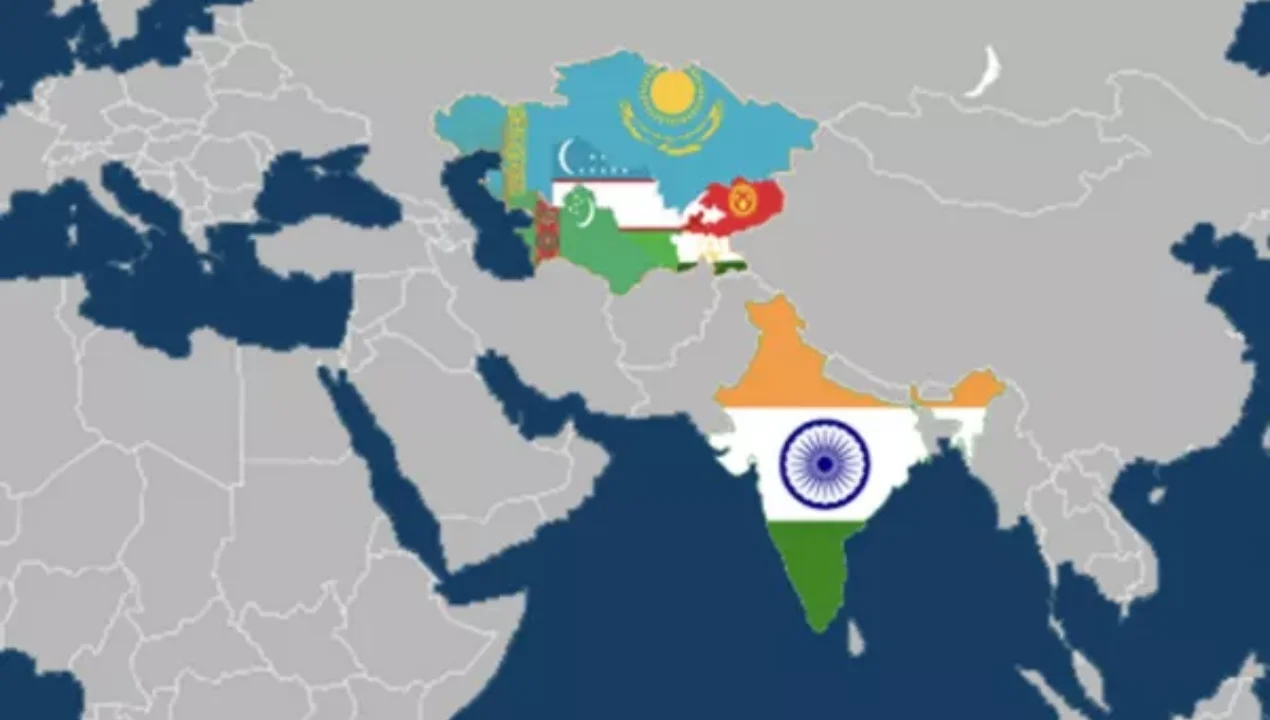
The strategic cooperation between India and the Central Asian republics in defense and security is driven by a complex set of historical ties, shared security concerns, regional geopolitical dynamics, and mutual aspirations for stability and development. At its core, this cooperation is shaped by converging interests in countering terrorism and extremism, addressing transnational threats such as drug trafficking and cyberattacks, balancing the influence of major powers in Eurasia, and leveraging geographical and historical connections to advance connectivity and regional integration. These drivers not only explain why India has prioritized deeper defense and security ties with Kazakhstan, Kyrgyzstan, Tajikistan, Turkmenistan, and Uzbekistan, but also justify calls to enhance this cooperation as part of a broader strategy to ensure regional peace and stability.
One of the main drivers of India-Central Asia strategic cooperation in defense and security is the shared concern for terrorism and Islamist radicalization. Central Asia's proximity to Afghanistan, where the security situation remains fragile, puts both India and Central Asian states in a vulnerable position to cross-border extremist movements. India's foreign policy has increasingly focused on engaging with its expanded neighborhood to mitigate these threats, and Central Asian countries have sought partnerships that help strengthen their own capabilities in countering terrorism. Both sides acknowledge that combating terrorism, radicalization, and the illicit flow of weapons and drugs are essential for regional stability, which in turn underpins economic development and foreign investment prospects. This alignment of threats has led to tangible cooperation in areas such as counter-terrorism dialogues, intelligence sharing, and joint training initiatives.
Closely related to counter-terrorism is the imperative to address transnational, non-traditional security challenges, particularly cyber threats. As digital infrastructures become fundamental to national development, both India and Central Asian states face sophisticated cyberattacks that threaten critical infrastructure and governance systems. The 2025 Strategic Cyber Exercise hosted by India brought together cybersecurity agencies and national Computer Emergency Response Teams from all five Central Asian republics, highlighting the collective commitment to building technical capacity and policy frameworks to combat cybercrime and enhance resilience. This exercise underscores the recognition that modern security cooperation cannot be limited to traditional military domains but must incorporate emerging areas such as cyberspace and artificial intelligence, where cooperation builds trust and enhances collective defense capabilities.
Another major driver is the evolving geopolitical context of Eurasia, where Central Asia sits at the center of major power competition. Regional security-focused frameworks, such as the Shanghai Cooperation Organization (SCO), provide opportunities to enhance multilateral cooperation. India's engagement with Central Asia in defense and security adds a multi-factor dimension that complements its broader foreign policy of strategic autonomy. Although India lacks direct land access to Central Asia, it leverages multilateral platforms and bilateral relations to ensure its key representation in regional security dialogues.
The fact that the defense ministers of the five Central Asian states recently met for the first time and conducted a joint military exercise, Birlik 2025, reflects the regional momentum towards strengthening collective security frameworks, even as these states balance relations with larger powers. Additionally, the annual India-Central Asia national security advisers dialogue helps address critical regional issues and enhance multilateral cooperation. Additionally, India conducts military exercises like KazInd (Kazakhstan), Khanjar (Kyrgyzstan), and Dustlik (Uzbekistan) to improve interoperability. This environment creates an opportunity for India to deepen ties based on shared interests in maintaining a stable balance of power and preventing any single external actor from dominating the region.
Regional connectivity and infrastructure development also play into defense and security cooperation. Central Asia’s landlocked geography makes connectivity initiatives crucial for economic integration and strategic collaboration. Projects such as the Ashgabat Agreement and the International North-South Transport Corridor (INSTC) aim to link Central Asia with South Asia, the Middle East, and Europe. India’s accession to the Ashgabat Agreement in 2018 and active participation in transport corridors underscore its interest in facilitating overland connectivity that circumvents traditional chokepoints and enhances economic interdependence. While these initiatives are economic in nature, they have direct security implications: improved connectivity reduces the isolation of Central Asian states, increases prosperity, creates routes for the transfer of military hardware, and decreases the appeal of illicit trade networks that often fuel insecurity.
Given these drivers, there are compelling reasons to enhance defense and security cooperation between India and the Central Asian republics. First, strengthening such cooperation deepens mutual trust and reinforces shared commitments to combating terrorism, extremism, and cybercrime. In an era when non-traditional threats can destabilize entire regions, coordinated efforts amplify the effectiveness of national responses and build a network of resilient states capable of collective action. Second, closer security ties can underpin and safeguard broader economic and connectivity initiatives that are vital for regional prosperity. As connectivity projects reduce isolation and boost trade, they simultaneously contribute to stability by integrating markets and aligning strategic interests.
Moreover, enhanced cooperation can serve as a stabilizing force in a region marked by great-power competition and help provide stability in Afghanistan. India and Central Asian national security advisors met in October 2025 to discuss coordinated plans to stabilize Afghanistan by engaging with the Taliban regime to address shared security challenges, enhance connectivity, and promote economic development, emphasizing the need for regular dialogue on countering terrorism, radicalization, extremism, and narcotics trafficking. By working with Afghanistan’s current authorities and utilizing infrastructure links such as the Chabahar Port and the INSTC, India and Central Asian countries aim to strengthen regional economic integration and reduce security vacuums that extremist groups might exploit. Such coordinated efforts are vital for regional stability, preventing terrorism, and fostering connectivity that benefits all parties involved.
By engaging Central Asia in meaningful defense partnerships, India contributes to a multipolar security architecture that deters coercive dominance by any single power, thereby preserving the sovereignty of smaller states. This aligns with both India’s strategic autonomy and the Central Asian states’ aspirations for diversified alliances. Finally, strong defense relationships build institutional linkages, such as regular dialogues, joint exercises, and shared policy frameworks, which are indispensable for long-term stability and predictability in regional relations.



Comments 0
…