


US-Iran talks begin in Muscat: Tehran is a cautious optimist
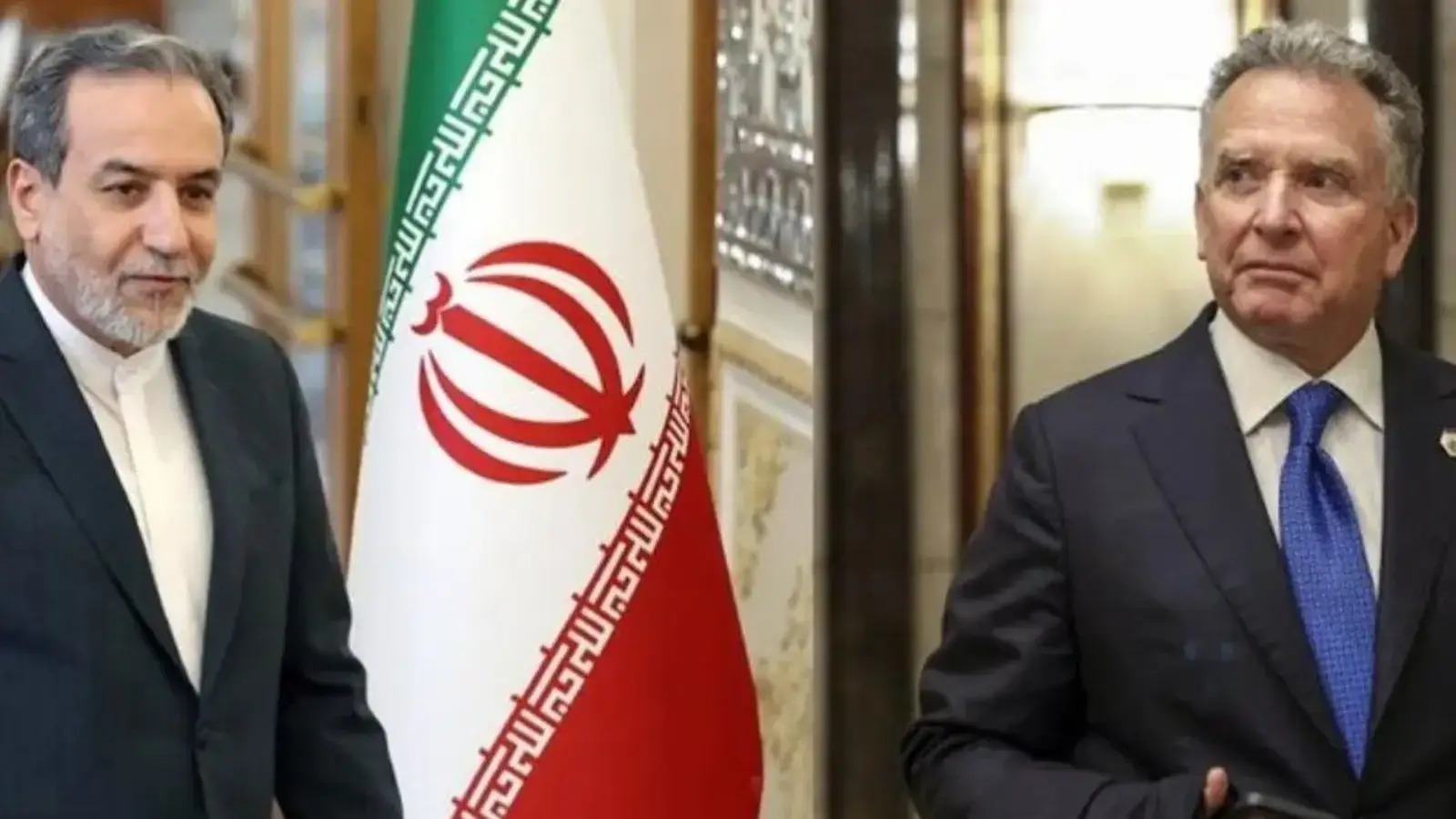
The first round of indirect negotiations between the US and Iran on the Islamic Republic's nuclear program concluded in Muscat, the capital of Oman. After the initial meeting, Tehran expressed a cautious positive sentiment: Iranian Foreign Minister Abbas Aragci assessed the "good start" and emphasized the need to overcome the "wall of doubt."
The exact duration of the negotiations has not yet been announced. According to Aragchi, both delegations will return to their capitals for consultations. At the same time, reports circulated that Axios reporter Barack Ravid, citing sources, wrote that the next round could take place "in the coming days."
The assessment of the "mood" of the negotiations given by the Minister of Foreign Affairs of Oman, Badr al-Busaidi, is quite clear: he called the process "very serious" and, in his commentary in X, said that separate meetings served to clarify the views of both sides and determine possible points of progress.
The main dispute is what is being discussed and what is not being discussed. According to the Iranian position, the agenda should be limited to two issues: the nuclear program and the possible easing of sanctions. The US, however, wants a broader scope: a missile program and assistance to Iran's allies in the region, including Hamas, Hezbollah, and the Houthis in Yemen.
And the background is not just "diplomatic" - it's extremely tense. Since the beginning of the year, the US has intensified its military presence in the region, Washington is increasing pressure, and Donald Trump has repeatedly issued harsh warnings. Iran has been issuing strong warnings about retaliatory strikes against countries where US bases in the Persian Gulf are located in scenarios related to possible attacks.
In short, the first round in Muscat doesn't mean "problems are solved" - it's more like leaving the negotiation channel open and a "pass sent" to the next step. Now the main question is: will the parties be able to meet again after the internal agreements in the capitals and to what extent will they be able to bring the "red lines" on the agenda closer?



Comments 0
…