


Trump praised the talks with Iran in Muscat as "very good"
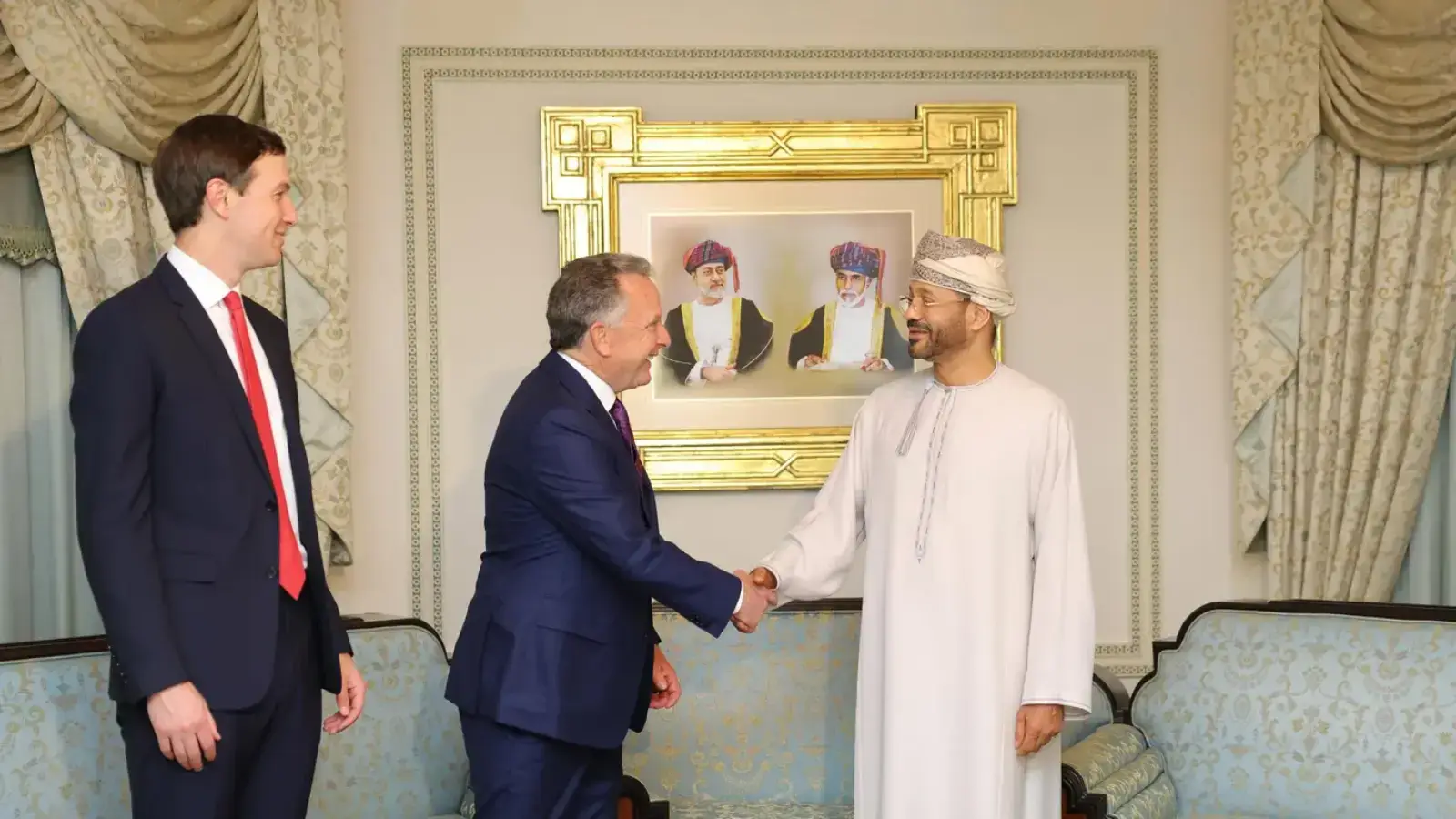
The first round of indirect talks between the US and Iran in Muscat, mediated by Oman, has concluded - and negotiations are expected to resume after the weekend. It is reported that Donald Trump said this in an interview with journalists on the evening of February 6.
According to Trump's statement, the negotiations went "very well." He emphasized that Tehran appears interested in reaching an agreement, but "what kind of deal" will come out, time will tell. Meanwhile, he also mentioned that a "large group" of American ships is moving towards the Middle East - as if strong pressure is working alongside diplomacy.
When asked about the deadlines, Trump is said to have replied that "there's no need to rush." He cited Venezuela as an example and recounted the events there in a unique way: he also claimed that the US military had withdrawn Nicolas Maduro. This part is important: it's a statement made exactly as Trump said, that is, it's better to accept it not as a fact, but as his claim.
At the same time, the White House leader openly handed over the economic pressure map: he warned about the possibility of introducing "secondary" punitive tariffs against partner countries trading with Iran. In some reports, he cited a 25 percent rate as an example, and it is said that these measures could affect imports to the US from countries that buy goods or services from Iran.
The most acute point of the negotiations in Muscat is on the agenda. Washington, according to reports, wants to make concessions simultaneously in several areas: the future of the nuclear program, reducing missile capabilities, and assisting allies in the region. This list also mentions Hamas, Hezbollah, and the Houthis in Yemen. Iran has already set a limit on "only nuclear agreements and sanctions."
Iranian Foreign Minister Abbas Aragchi stated that the meeting was held in a "positive atmosphere," but the discussion was mainly focused on the "nuclear problem." It was also stated that the delegations of the two countries will return to their capitals for consultations.
These dialogues are not taking place at all in a "cool background": in recent months, the US has strengthened its military presence in the region, and some sources note that air carrier groups have also become more active. Against the backdrop of this excessive tension, reports have also circulated that US official channels have called on Americans to leave Iran.
The conclusion is this: The first round in Muscat doesn't mean "the issue is resolved," but the channel remained open - this itself is a big deal in the current situation. If continued negotiations after the weekend yield tangible results, tensions may subside; if the parties do not move their "red lines," pressure and threats are likely to escalate again. In short, this time diplomacy's "patience regime" is working - whoever gives in to their nerves first loses.



Comments 0
…