


Iran's oil under sanctions: Who are the main buyers?
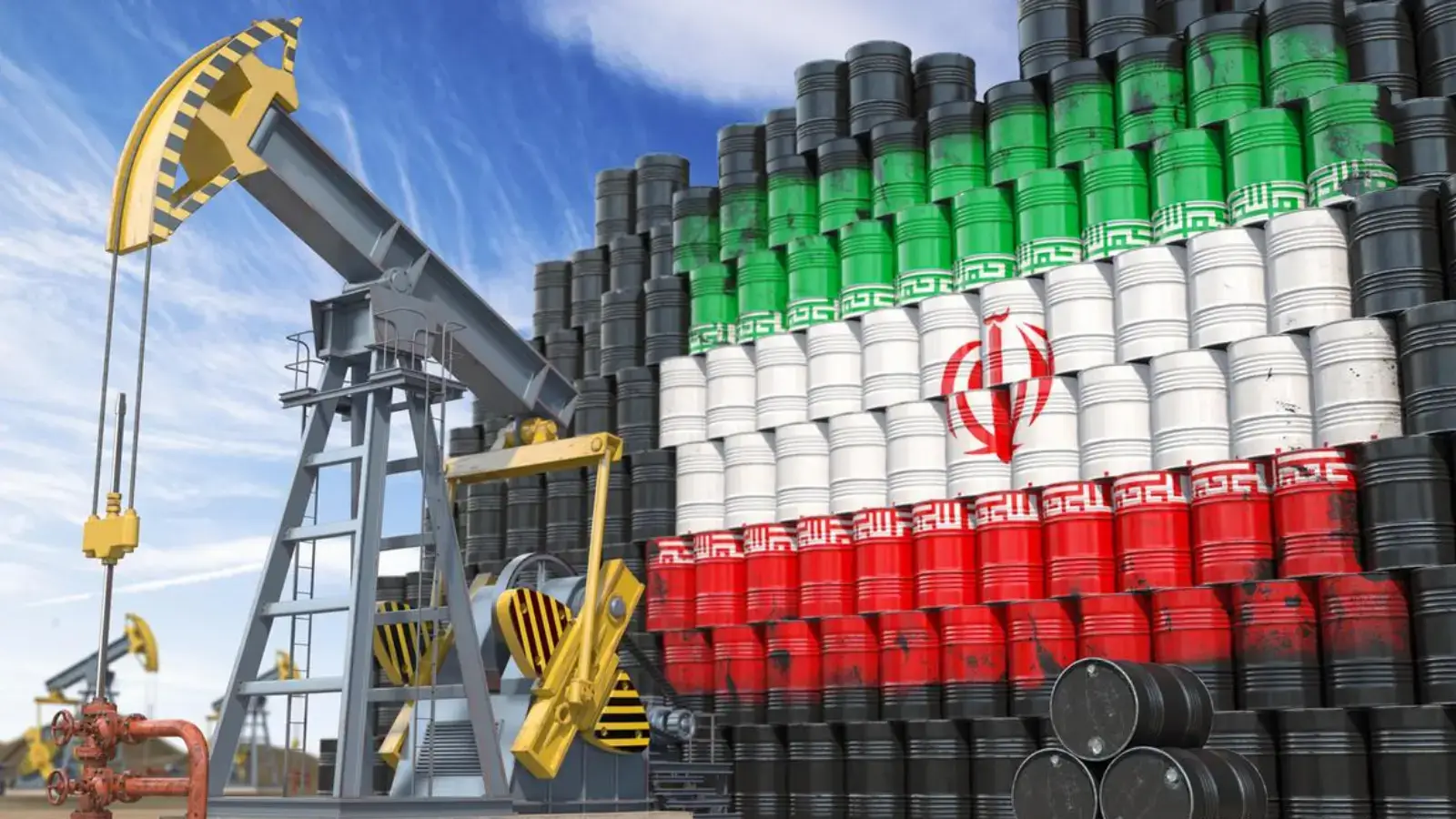
Iran has been living in an international economic blockade for many years. Especially during the Donald Trump administration, the large-scale restrictions imposed by the US severely limited Tehran's foreign trade opportunities. Despite this, Iran has not stopped exporting oil. Zamin.uz, based on data from the Iranian customs service, identified the main participants in this "forbidden" trade.
According to the results of 2024, Iran earned $35.76 billion from raw material exports. However, this trade is based not on free market principles, but on complex geopolitical agreements and secret schemes.
1. China - the sole "savior" of Tehran
Today, almost the entire volume of Iranian oil is directed to one destination. China is purchasing more than 90% of total exports ($32.5 billion). While other countries are retreating out of fear of US sanctions, Beijing remains Tehran's largest energy partner.
2. Other buyers: Cooperation in a narrow circle
Countless countries, excluding China, continue to trade in oil with Iran:
- Syria: imported $1.2 billion worth of oil (3.3% of total exports) in 2024.
- UAE: 2 percent of the total volume.
- Venezuela: is on the list with a share of 1.2 percent. Interestingly, since both countries are under sanctions, barter schemes are used to exchange Iranian condensate for Venezuelan oil.
Historical change: 2010 and today
Fifteen years ago, the situation was completely different. In 2010, Iranian oil was supplied to more than twenty countries around the world, including Japan, India, South Korea, and the European Union. Sanctions sharply narrowed trade routes.
"Fleet in the Shadows" and price wars
Iran is using extremely complex methods to circumvent the restrictions:
- Secret tankers: Oil carriers frequently change their flags and hide the source by transferring cargo from one ship to another (ship-to-ship) in the open sea.
- Large discounts: To attract buyers, Tehran is forced to sell its oil below the Brent crude price, from $3 to $9 per barrel.
For reference: the cost of oil production for Iran is very low - about $10 per year. However, the forced deductions imposed due to sanctions are harming Tehran's budget by several billion dollars annually.
In your opinion, how will China's strong dependence on Iranian oil affect the political situation in the region in the future?
Follow the hottest economic analyses on the world market with zamin.uz.



Comments 0
…