


Measures taken to protect children online
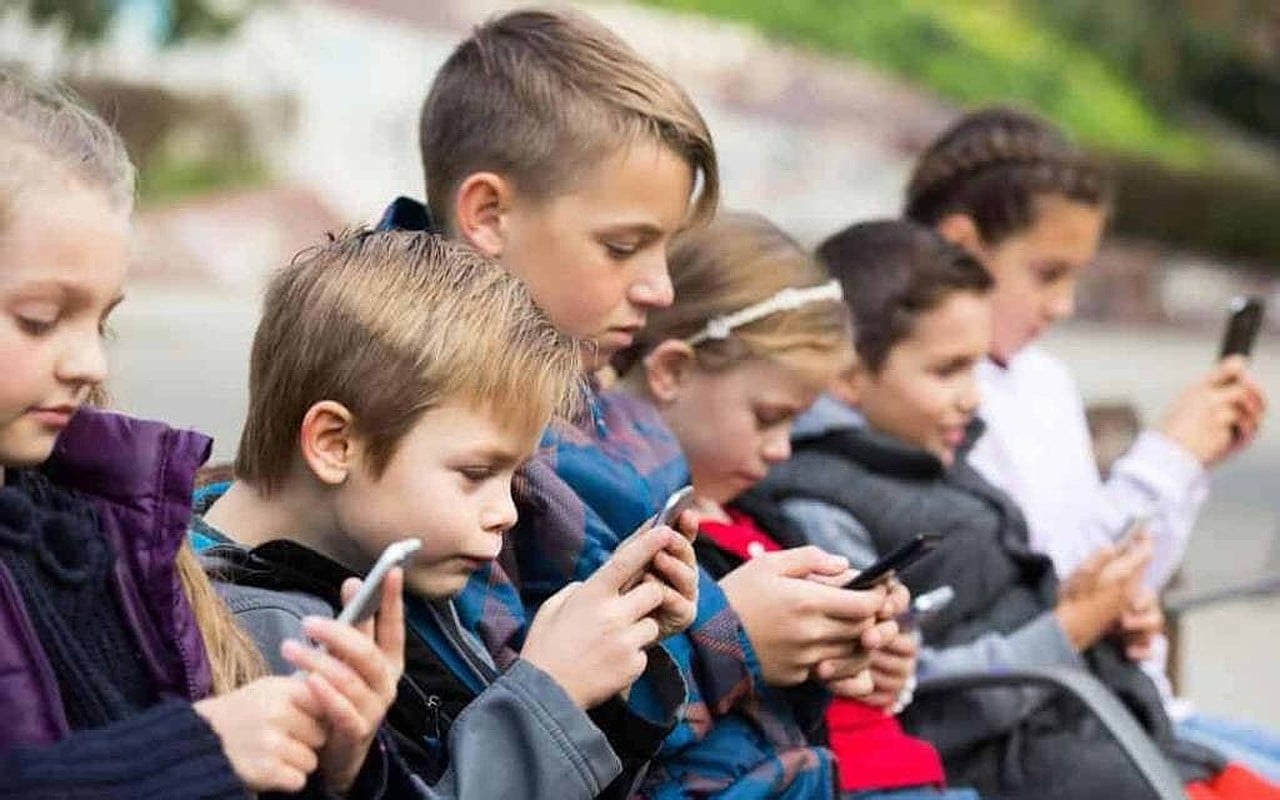
Today, the issue of protecting minors from the negative impact of social networks has become the most urgent topic on the global agenda. Many countries are developing strict legislative mechanisms to restrict or completely ban the use of internet platforms for young people. The era of simply trusting a user's claim of being 18 is over. Governments are demanding that tech companies implement reliable and precise technical methods for age verification during registration.
In particular, the Indonesian government announced a plan in March this year to restrict access to platforms such as YouTube, TikTok, Facebook, Instagram, Threads, X, Bigo Live, and Roblox for those under 16. This initiative is causing heated debates in society. While one group of experts emphasizes the need to protect children from the harmful effects of the virtual world, others express serious doubts about how to practically monitor and enforce such restrictions.
The UK is trying to solve the problem with a different approach. The government wants to force social media companies to remove or strictly limit features that cause addiction in users, particularly the infinite feed (reels). It is not just about banning access to the platform, but also about how algorithms capture human attention.
However, there is another side to these reforms. Experts are concerned about how personal data privacy and security will be ensured when mandatory age verification systems are introduced. This is because the age determination process requires the collection and storage of users' personal data. As a result, new cybersecurity issues may arise behind the noble goal of protecting children. The conclusion is that the freedom of social networks for children is shrinking and control is increasing, but the effectiveness of these measures will become clear over time.



Comments 0
…