


Political Tensions Escalate Around the Strait of Hormuz
Quick readAI-generatedShow
- U.S.
- President Donald Trump has announced that the naval blockade against Iran remains in effect, despite Tehran's claims that the Strait of Hormuz is open to commercial shipping.
- While Trump noted that most key issues are nearly resolved and that Iran is clearing sea mines with U.S. assistance, he insists pressure will continue until a final agreement is reached.
- Meanwhile, Iranian sources indicate that while the strait may be open, vessels and their cargoes remain under strict surveillance to ensure they do not serve U.S. or Israeli interests.
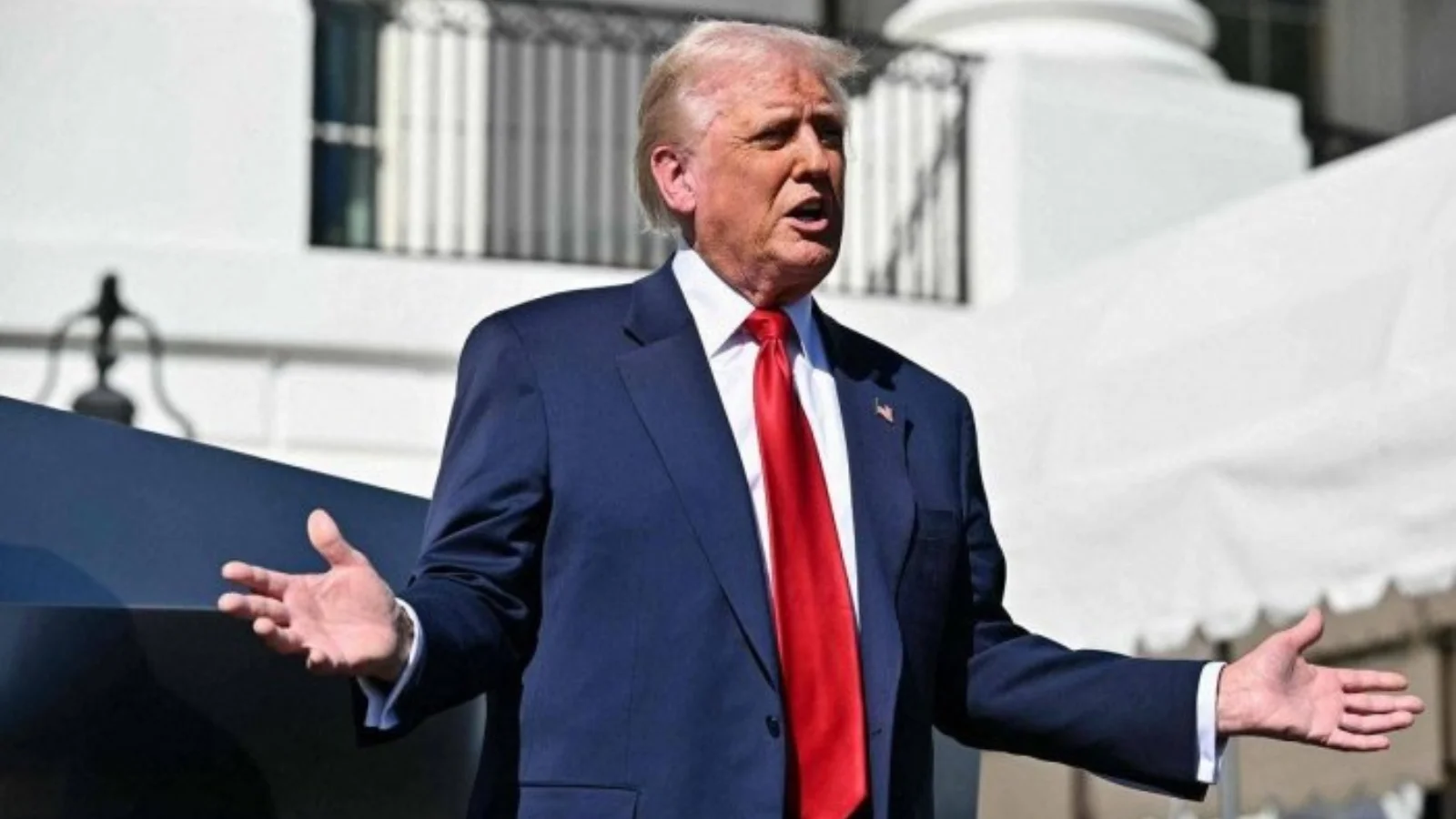
US President Donald Trump announced that the naval blockade against Iran remains in place, despite Tehran's statement that the Strait of Hormuz is open to commercial vessels. He emphasized that the situation has not yet been fully resolved and pressure will continue until negotiations are concluded.
Trump stated on his Truth Social platform that while the Strait of Hormuz must be fully open for business ships and international shipping, the naval blockade remains in effect until an agreement between the US and Iran is 100% finalized.
“The process should conclude quickly, as the main issues have been nearly agreed upon,” the US leader noted. At the same time, he specifically mentioned that Iran has either begun or completed the clearing of naval mines from the Strait of Hormuz with US assistance.
“Iran is removing all naval mines with US help or has already cleared them,” Trump said.
On April 17, Iranian Foreign Minister Abbas Araghchi announced that the Strait of Hormuz had been opened to commercial shipping for a specific period. This decision was reportedly made within the framework of a ceasefire agreement between Israel and Hezbollah in Lebanon.
However, according to information distributed by the Tasnim agency, sources from Iran's Supreme National Security Council stated that ships passing through the strait will be under strict control. According to them, the ships and their cargoes must not be linked to US or Israeli interests.
At the end of February, after the US and Israel launched a military operation against Iran, Tehran had declared the Strait of Hormuz closed. This decision caused serious concerns in the global energy market and maritime logistics.
Following this, Trump demanded the immediate opening of the strait; after receiving a refusal, the US reportedly implemented blockade measures against Iranian ports and coastal areas. In the current situation, political and military pressure between the parties persists.



Comments 0
…