


Trump's Persian Chess and Political Games
Quick readAI-generatedShow
- Despite a recent ceasefire announcement, geopolitical tensions between the US and Iran remain high, characterized as a complex "Persian chess" game.
- Incidents like the seizure of an Iranian ship and a drone attack on a US vessel highlight ongoing volatility, with Iran employing a strategy of ambiguity and delay.
- Analysts suggest this approach is outmaneuvering President Trump, who faces domestic pressures, by prolonging the conflict and leveraging Iran's long history of statecraft.
- This protracted, ambiguous strategy presents a significant challenge for the US, potentially leading to a long and complex confrontation.
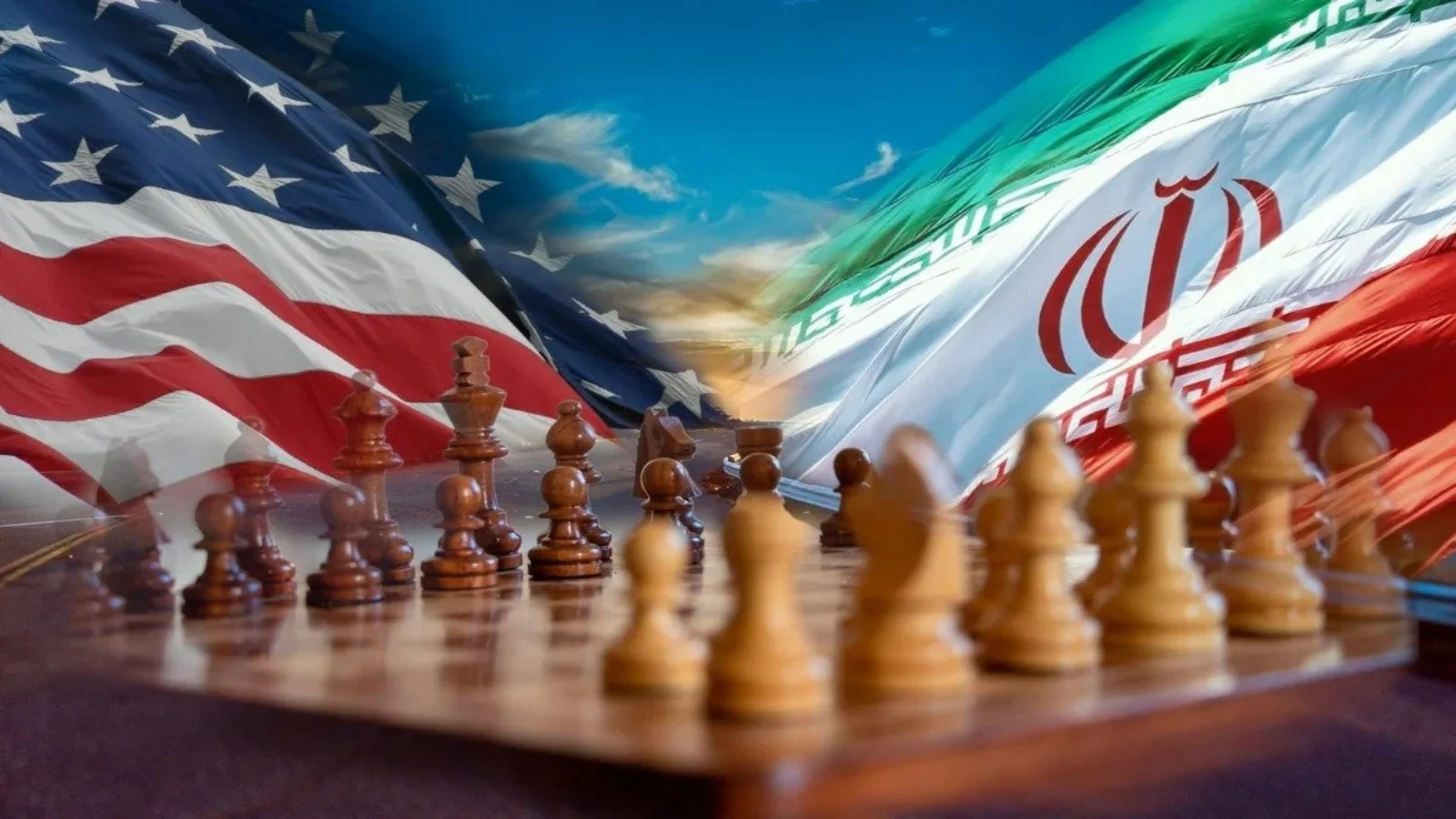
Geopolitical games in the Middle East have entered a new and complex stage. Although at first glance it seems a truce has been reached between the US and Iran, in reality, events are unfolding according to the rules of "Persian chess." Zamin.uz analyzes the true behind-the-scenes picture of this political conflict.
Truce or the Brink of a New Confrontation?
Last week, it was announced that a ceasefire agreement had been reached between Washington and Tehran. Hearing Donald Trump's statements, a supporter might think Iran has raised a "white flag" and surrendered. However, the reality is quite different: the capture of an Iranian ship by the US in the Strait of Hormuz, and in response, the Iranians' drone attack on an American military vessel, show that the situation is still on the verge of explosion. Tehran is not even ruling out the possibility of abandoning further negotiations.
Is the "Russia-Ukraine" Scenario Repeating?
The current situation bears a strong resemblance to Russia's failed "blitzkrieg" in Ukraine. Russia, which aimed to subjugate Kyiv in three days, has been forced to build defensive fortifications on its own borders for over a year. The US appears to be mired in a similarly long and complex process regarding Iran.
Political Scientist's View: "Trump is Being Mocked"
Renowned political scientist Arkady Dubnov provided a very clear description of the situation: "The Iranians are, as it were, mocking the powerful American president, returning his threats back to him like a boomerang. Persian chess is weighing heavily on Trump." Indeed, Iran is fighting an opponent many times stronger than itself through a "strategy of complexity." While appearing to agree to terms at the negotiation table with one hand, it is disrupting all of Washington's plans with the other by deploying a single ship at sea.
Why is the US Helpless Against "Complexity"?
The American military is unparalleled in destroying clear enemies, obliterating military facilities, and achieving technological superiority. However, there is no military formula or plan against a "strategy of complexity." Iran is gaining time by prolonging negotiations as much as possible.
-
Trump's Pressure: He is concerned about public discontent ahead of the approaching midterm elections for his 350 million voters and major sporting events hosted in the US.
-
Iran's Composure: The Tehran regime has established total control over its population, and there is virtually no public pressure on them.
History and the School of Statehood
Trump seems to have forgotten an important aspect: America and Israel are "recent" states compared to ancient centers of statehood like Iran. Throughout their history, the Persians have accumulated vast experience in surviving any war scenario and turning the situation to their advantage. For them, war is not just about firing missiles, but a chess match requiring great skill.
Dear readers, do you think Trump will be checkmated in "Persian chess," or will he find another way to rectify the situation? Is the US military might capable of overcoming political complexity?
Be among the first to read the most complex and interesting analyses in world politics with Zamin.uz.



Comments 0
…