


Profit has increased at Manchester United, but debt pressure hasn't subsided yet
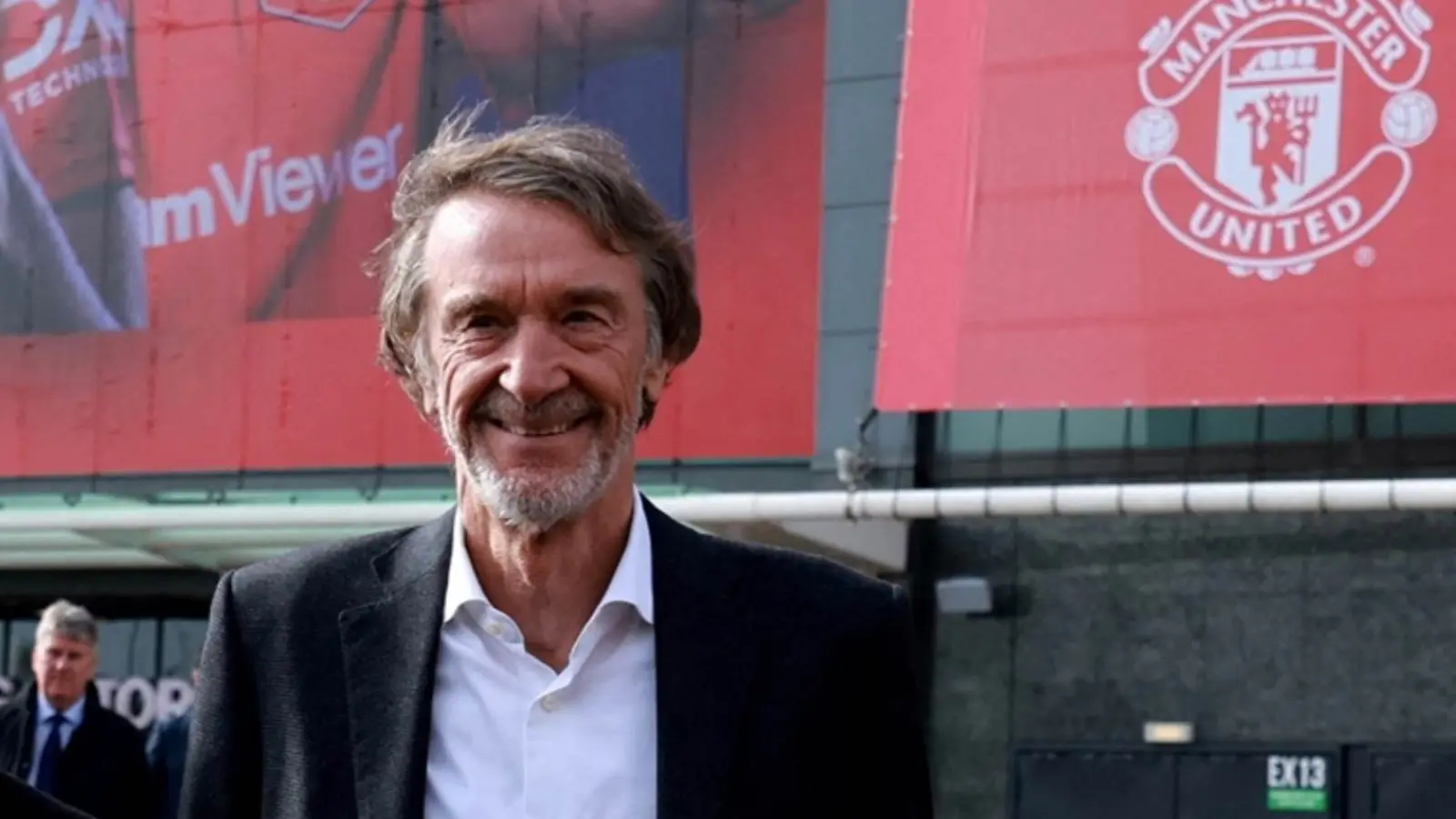
At Manchester United, the strict austerity policy that began after Sir Jim Ratcliffe became one of the club's owners is still causing great controversy. Although sharp spending cuts within the club have been viewed by many as "shock therapy," management emphasizes that these decisions are not accidental and that there is a clear financial calculation behind them. According to Reuters, it was precisely because of this "transformation plan" that the club announced its profitability in the latest report.
According to the club's CEO, Omar Berrada, operating profit reached £32.6 million in the first half of the 2025/2026 season amid cost optimization. This represents a significant turning point compared to operating losses of £3.9 million in the previous reporting period. That is, at least a short break is felt in the club's financial statements.
According to Berrada, these figures indicate that the reforms being carried out outside the field are beginning to yield results. By cutting costs, reducing the wage burden, and revising some internal spending, the club began to appear somewhat more financially robust. However, this does not mean that full stability has been achieved so far.
Because despite the growth in profits, the total debt burden of the "red demons" still remains very heavy. According to The Times and other sources, the club's total debt, including all liabilities, is approaching £1.3 billion. This indicator also includes outstanding loans, outstanding debts, and mainly unpaid transfers.
Another important point is that these figures do not include the costs of the new stadium project. Reuters and reports surrounding the club stated that Manchester United could spend approximately £2 billion on the new arena. Therefore, if this ambitious infrastructure plan is implemented, the club's financial pressure is likely to increase further.
In short, "Manchester United" stands in an interesting paradox today: on one hand, austerity policy is bringing profit in the short term; on the other hand, debt volume is still alarmingly high. Therefore, these reforms at the club have not yet fully resolved the problem - they are merely a process of trying to somewhat control the difficult situation.



Comments 0
…