


Is the era of liquid fuel ending? Revolutionary plasma engine created in the USA
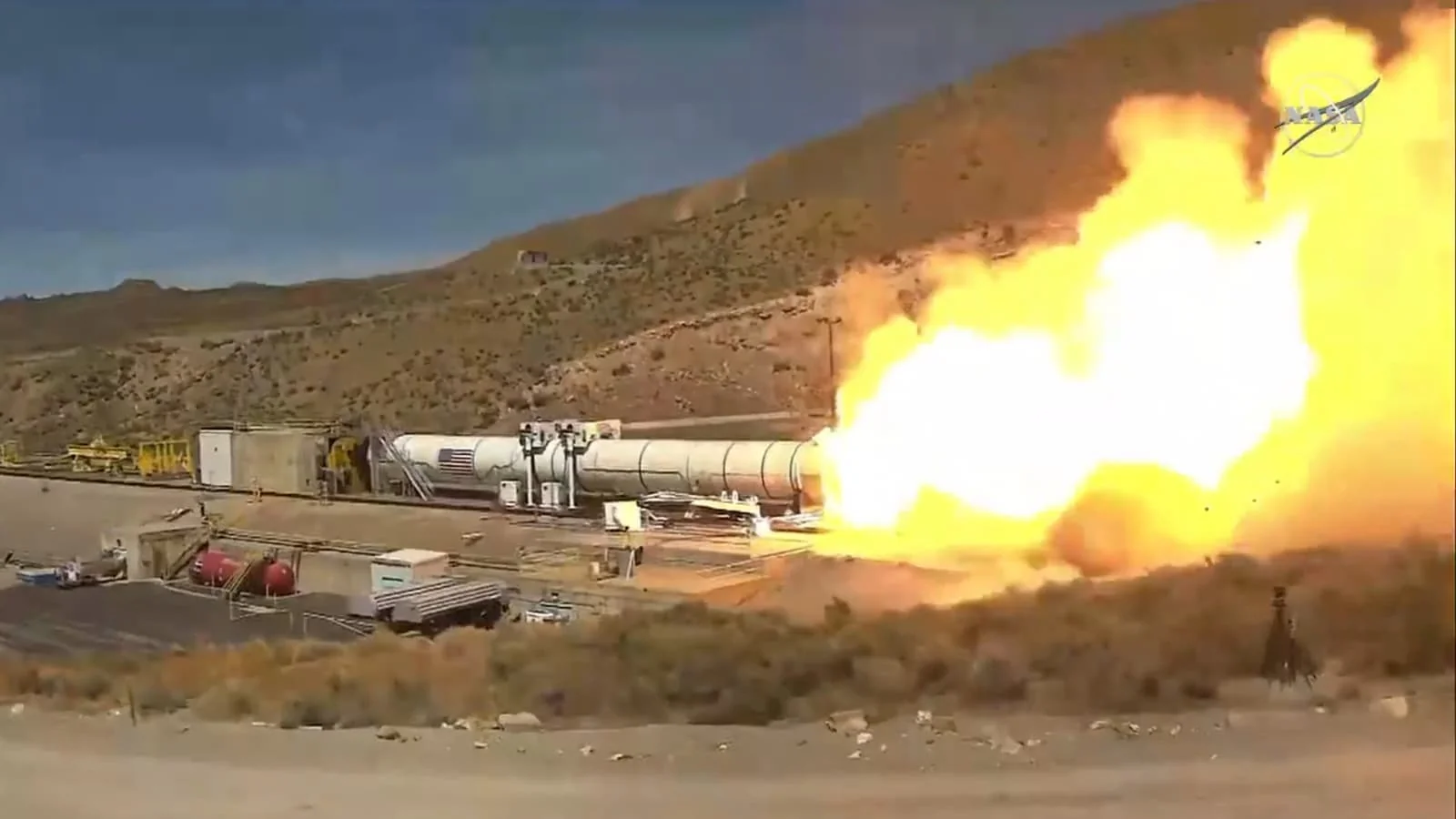
The American corporation The Aerospace Corporation has announced a major breakthrough in developing one of modern astronautics' most complex technologies: a solid-fuel rocket engine that can be turned on and off multiple times during flight. The research team has already created an experimental prototype of the engine. It uses electronically controlled plasma pulses that consume minimal energy. This is reported by Ixbt.com reports .
The main problem with traditional solid-fuel engines is that once the fuel ignites, the process cannot be stopped until it is completely burned out. Unlike liquid-fuel engines, it was impossible to shut them down, restart them, or precisely adjust the thrust. For this reason, more expensive and technically complex liquid engine systems are usually used for complex space missions.
To solve this issue, experts from The Aerospace Corporation joined forces with staff from the University of Southern California and the Naval Postgraduate School. Researchers are testing Nanosecond Plasma Pulse (NPPD) technology. This method allows for controlling the combustion process of solid fuel using ultra-short electrical discharges. The basis of the technology relies on generating low-temperature plasma through high-voltage pulses lasting less than 100 nanoseconds.
Solid-fuel engines are widely used in the space industry due to their simple design, reliability, and ability to provide high thrust at a relatively low weight. They lack complex turbopumps and valves, making them cheap and easy to operate. The new technology allows for controlling the combustion process and restarting the engine while maintaining these advantages.
According to the developers, the new system can work with various types of solid fuels and does not require heavy pressure tanks. This technology is suitable for both CubeSat-sized miniature satellites and large spacecraft. Currently, the project is in the early stages of research, but it is expected to significantly expand the orbital maneuvering capabilities of satellites in the future.


Comments 0
…