


NASA astronaut grows potatoes on the International Space Station
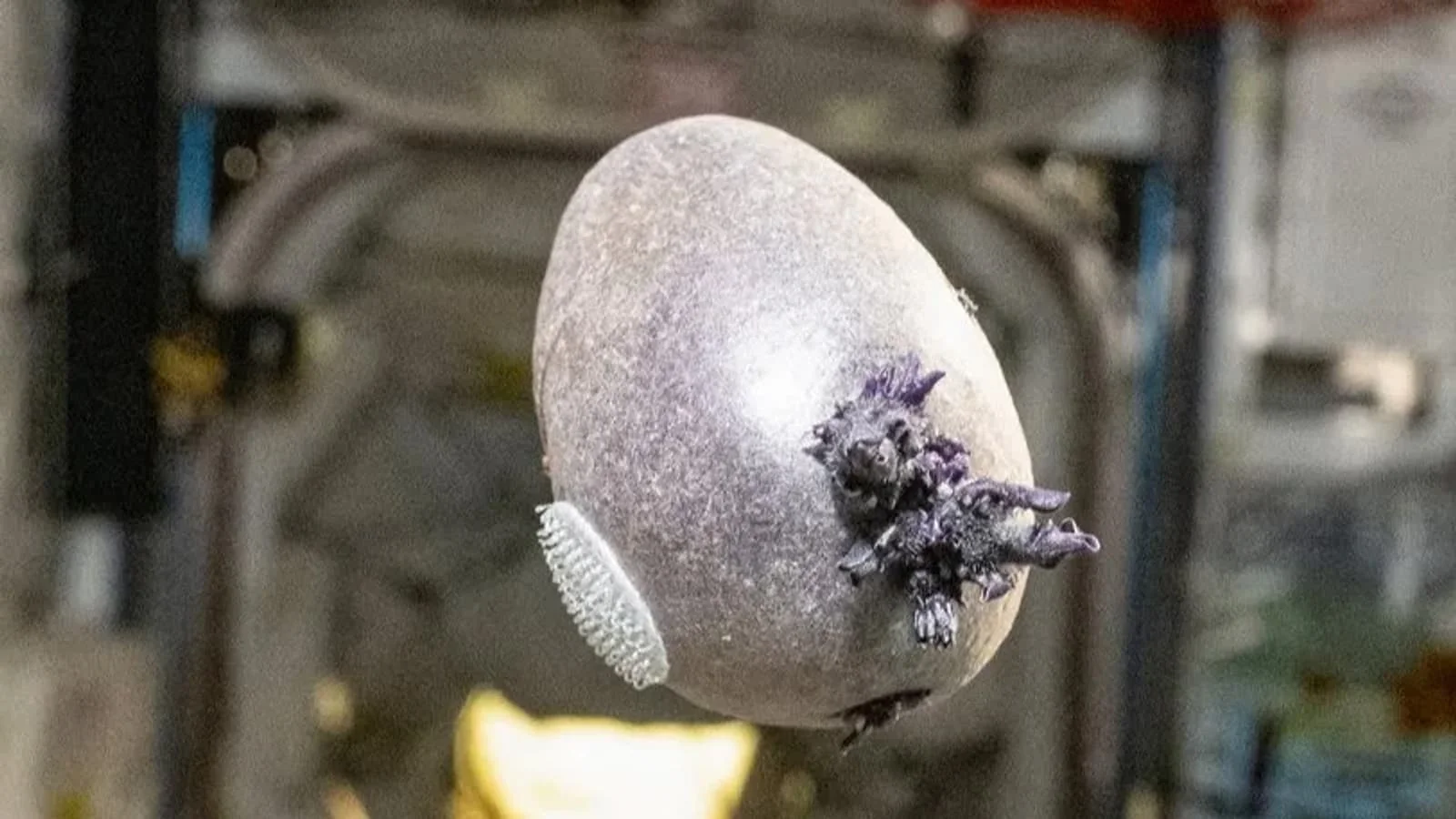
NASA astronaut Don Pettit conducted an unusual experiment on the International Space Station (ISS). He grew a potato in microgravity conditions and named it "Spudnik." Ixbt.com reports on this.
The name is a play on the English word "spud" (potato) and "Sputnik."
The astronaut noted that he was inspired by the plot of the movie and book "The Martian." In the work, potatoes help the main character survive on Mars.
Pettit decided to test how the tuber would behave in space.
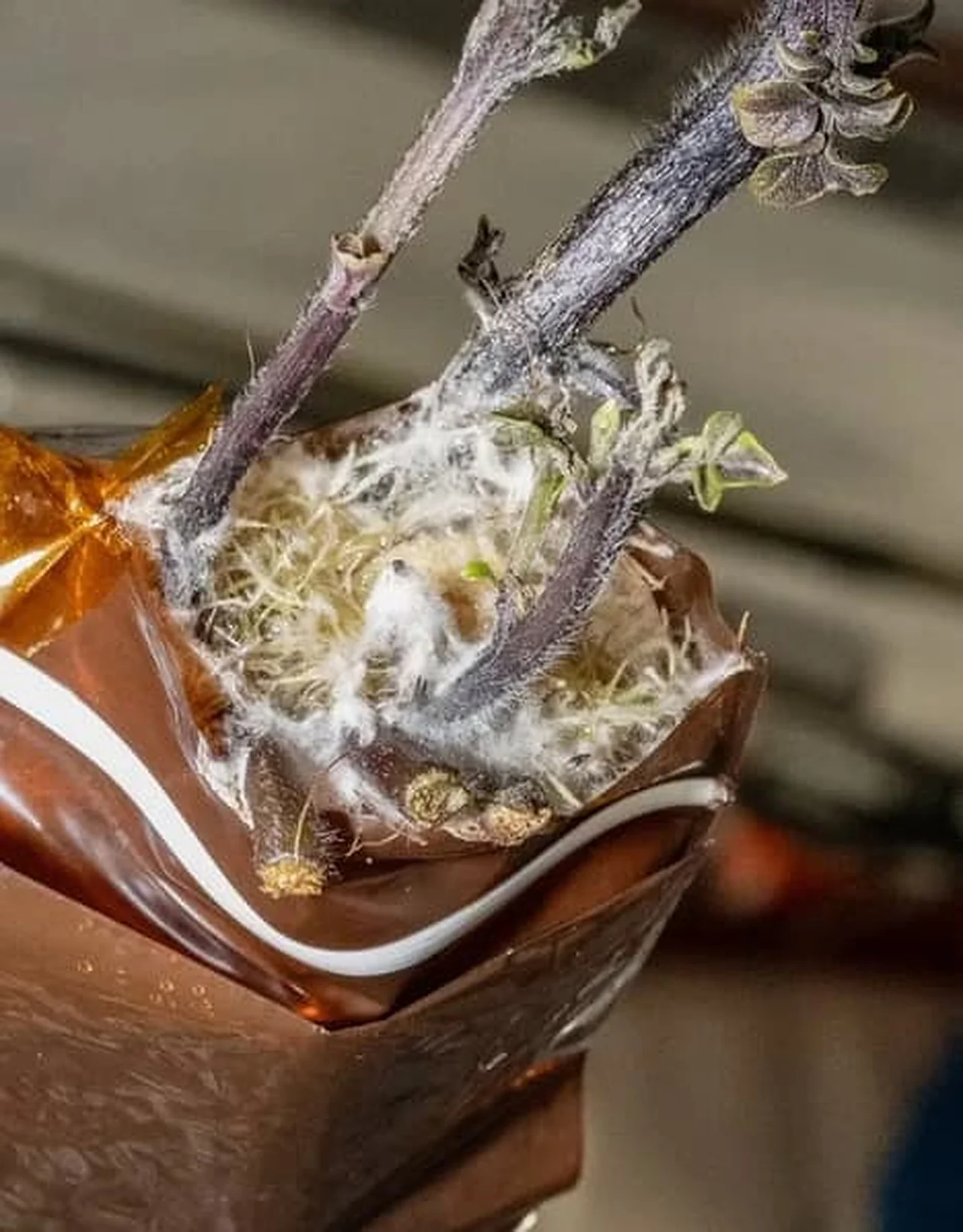
For the experiment, he built a tiny greenhouse with lighting and secured the potato using adhesive tape. The vegetable was kept in a beverage container.
In the weightless environment, its sprouts began to develop in an unusual manner.
Unlike on Earth, the roots grew upward instead of downward. Pettit jokingly referred to them as "wrong-way roots."
Scientists view the potato as a promising crop for space.
It is nutritious, not finicky, and could be useful in creating food production systems on the Moon, Mars, and in deep space. "Perhaps one day potatoes will grow on Mars.
Until then, we will learn what we can in Earth orbit," Pettit stated.



Comments 0
…