

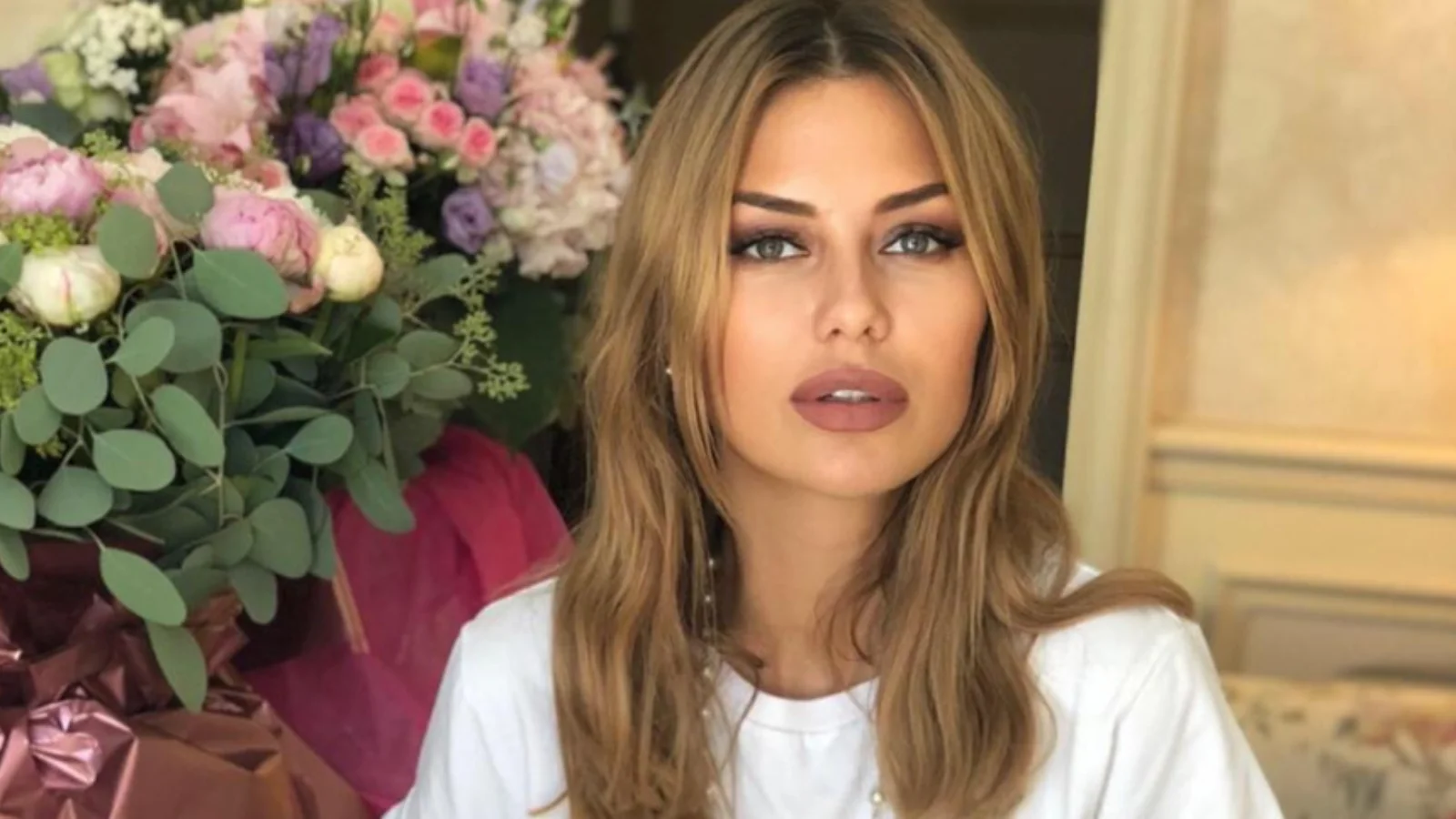
A week ago, a video appeal from Viktoria Bonya to Vladimir Putin caused a significant resonance in the Russian media space. At first glance, it might seem like a simple blogger's statement, but the unfolding events showed that this issue has much deeper layers.
The Bonya phenomenon: from show business to the political arena
Bonya gained fame in the mid-2000s through Dom-2 and later established herself as a figure with a large audience on social media. Although she lives in Monaco today, she has millions of followers and is an actively influential figure in the media space.
However, her image is not limited to that of a blogger or entertainer. She is also known for promoting conspiracy theories multiple times, including controversial views on 5G and vaccines during the pandemic. This has shaped a dual perception of her in public opinion: some see her as an independent-minded influencer, while others view her as a populist and unreliable source.
Content of the appeal: the thesis of fear and a 'wall'
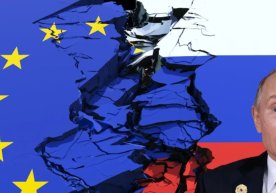
In her appeal, Bonya identified a climate of fear as the main problem in society. She argued that not only ordinary citizens but also bloggers, artists, and even officials are afraid of the president. She deemed this situation incorrect, stating that 'a wall has appeared between the people and the president.'
'Vladimir Vladimirovich, people are afraid of you. The people are afraid of you, bloggers are afraid, artists are afraid, governors are afraid of you. And you are the president of our country. I don't think we should be afraid,' the blogger said.
At the same time, she spoke about a number of problems in the country—natural disasters, environmental issues, economic difficulties, and internet restrictions—suggesting that this information is not fully conveyed to the highest levels. Importantly, while criticizing the president, Bonya also emphasized her support for him as a strong politician. This dual position made her appeal even more complex and controversial.
Kremlin's reaction: a cautious and diplomatic approach
Dmitry Peskov, responding to the issue, stated that the topics raised in the appeal were not denied but rather that work was being done on them. This reaction was not sharp but rather measured and diplomatic.
'The author of this appeal noted these issues with great interest – yes, indeed, these are very sensitive topics, but to be fair, a lot of work is being done on them, a large number of people are involved, and all this has not gone unnoticed,' Peskov said.
Meanwhile, Bonya herself accepted the Kremlin's response positively and expressed gratitude, adding another interesting turn to the situation. She described her statement not as commissioned but as a personal stance, linking it to 'values.'
Media and blogger attacks: pressure in the information space
Despite the relatively mild official reaction, media outlets and bloggers close to the Kremlin directed sharp criticism at Bonya. Vladimir Solovyov, in particular, became one of her most active critics. He portrayed Bonya as someone acting under the influence of external forces and even raised the issue of legal assessment.
Other bloggers and politicians interpreted her as 'bought,' 'illiterate,' or a 'tool for political games.' Information also spread on social media about mass comments being posted via bots. This situation also demonstrated elements of an information war.
Bonya's response: counter-attack and threat of legal action
Bonya did not leave these criticisms unanswered. She announced her intention to file lawsuits against Vladimir Solovyov and other critics. She also criticized the insults directed at women on air, calling it contrary to 'traditional values.'
Her statements became emotional—even videos made with tears affected the public. Later, she tried to portray herself as a 'fighter' through videos prepared with artificial intelligence.
'I'm fed up,' Bonya says in the video.
International attention: a signal or a coincidence?
Bonya's appeal was covered not only in Russia but also by international media. Publications like the BBC, CNN, and The Guardian linked the incident to shifts in sentiment within Russian society.
According to some experts, Bonya's statement is attracting a new audience to political discussions. This could also activate social strata outside the traditional opposition circles.
'Bonya is attracting a completely new audience to the opposition camp that wasn't there before,' The Guardian quotes political scientist and former Putin press secretary Abbas Gallyamov.
Bonya also responded to Western and opposition publications. In a video posted after the Kremlin's reaction, she mentioned seeing materials about herself on the BBC and Dozhd, implicitly referring to the opposition and asking them not to 'drag her into this.'
'Don't drag me into that, please, I am not with you, I am with the people, I am among the people,' Bonya said.
Conclusion: a new face of politics in the age of influencers
This incident is not just a simple blogger's statement but a case study showing the role influencers play in the modern information space. Bonya is not a political actor, but her audience and influence make her a de facto participant in public opinion.
At the same time, this situation revealed how delicate the relationship is between the state, the media, and the public. The chain of reactions triggered by a single video appeal shows that in the information age, every word can have significant political and social consequences.
In short, this story is like an unfinished series. The most interesting part is that no one knows for sure what will happen in the next episodes.
Read “Zamin” on Telegram!