


Scientists determine how dogs understand human emotions

For many years, dog owners have noticed that their pets can sense a person’s mood, even from their facial expressions. Now scientists have identified scientific evidence that may explain how this ability works in dogs’ brains.
Researchers at the University of Vienna monitored dogs’ brain activity using a special scanner and showed them images of human faces expressing different emotions. The findings were published in the journal iScience. According to the study, dogs process human facial expressions such as happiness, sadness, anger and fear differently in their brains.
Happy faces trigger a strong reaction in dogs
When the dogs in the study viewed happy human faces, activity increased in certain areas associated with higher-level cognitive processes and the reward system, including the temporal cortex and caudate nucleus.
Study leader Laura Kuayya said the findings show how complex social abilities dogs have developed during their many years of living alongside humans.
Dogs did not follow the same evolutionary path as humans and other primates. However, living side by side with people for thousands of years has helped them develop complex ways of understanding and cooperating with humans.
In the initial phase of the study, 8 dogs — six border collies, a labrador and a golden retriever — were examined. They were shown images of unfamiliar people with happy or neutral facial expressions. The stronger response of the brain to happy faces indicated that positive human emotions are important to dogs.
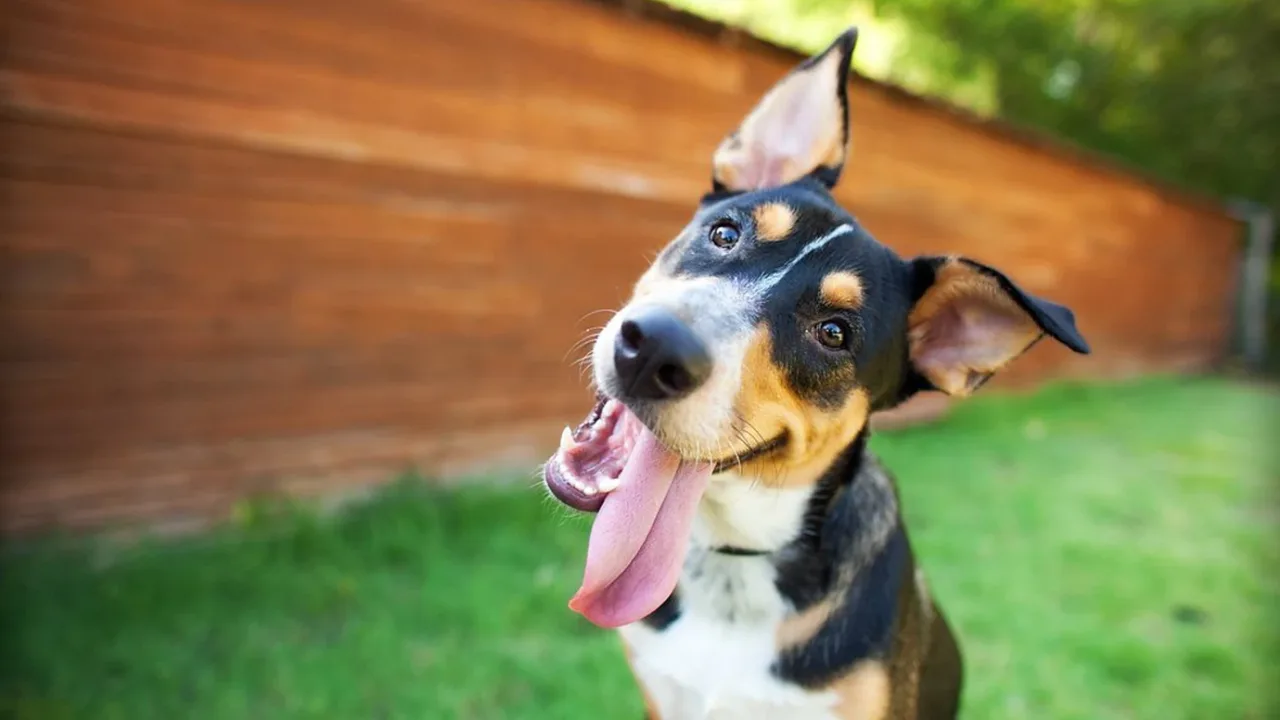
The number of dogs in the experiment was then increased to 12, and they were shown faces expressing happiness, anger, fear and sadness. Using machine-learning technologies, the scientists found that the dogs’ brains formed distinct patterns of activity in response to each negative emotion.
Dogs do not draw conclusions based solely on faces
According to co-author Raul Ernandes-Peres, humans are skilled at noticing even very slight changes in the face, and dogs have a similar ability.
Activity in the caudate nucleus particularly attracted the scientists’ attention. In various animals, this part of the brain is associated with the sense of reward. Previous studies have found that in dogs, this region responds not only to food-related rewards but also to social experiences such as receiving praise from a person or detecting the scent of someone familiar.
For this reason, the scientists believe that even seeing a happy face belonging to an unfamiliar person may trigger a positive emotional process in a dog’s brain.
However, dogs do not understand human emotions solely through facial expressions. They may perceive body movements, tone of voice, scent and changes in the face together.
Preparing the dogs for MRI scans was not easy
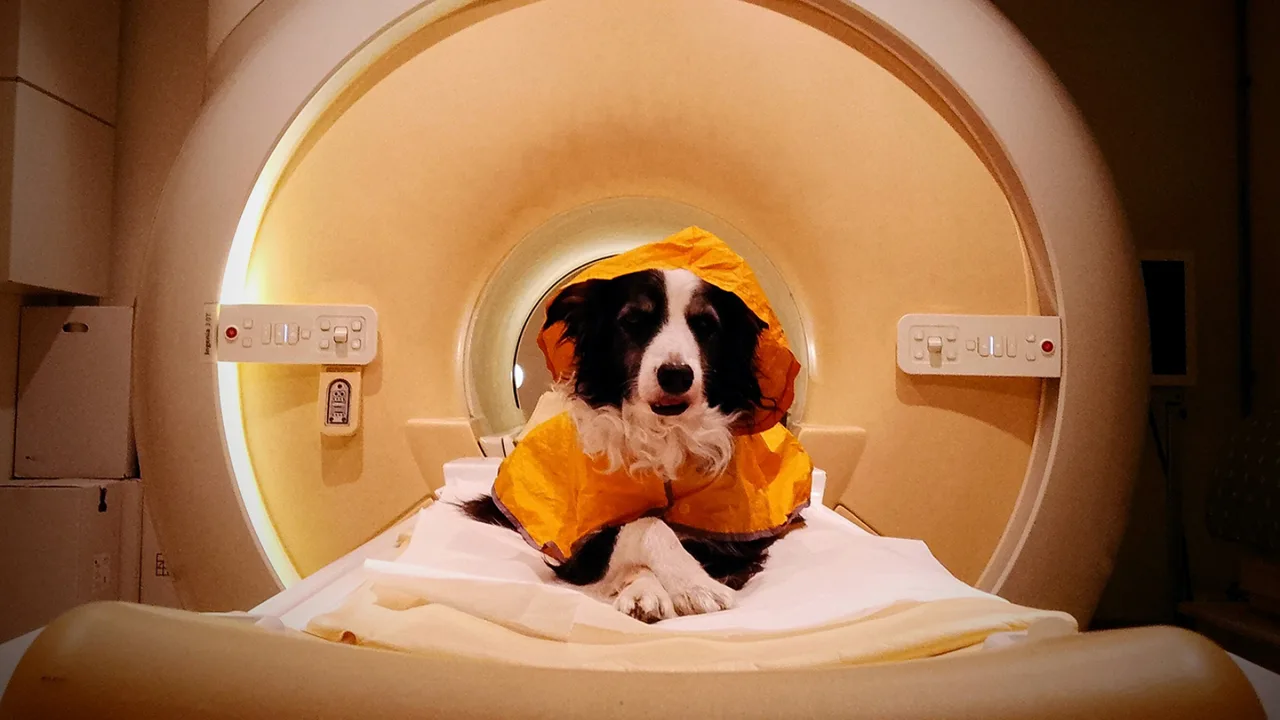
The dogs participating in the study had to be healthy, of average size and calm in response to loud noises. They underwent special training: initially, they were taught to remain still for a few seconds, and this period was gradually extended.
The dogs were also gradually acclimatized to the MRI environment. They were introduced in advance to the equipment, lying in the required position and the sounds of the scanner. Importantly, the scientists emphasized that the dogs took part in the study voluntarily and could leave the process at any time.
At the same time, the study has some limitations. The number of dogs examined was small, and most of them belonged to the border collie breed, known for being highly sensitive to human social cues.
Therefore, different breeds may interpret human facial expressions differently. Additional research is needed to clarify this issue.
The scientists now plan to study in greater depth how dogs perceive the various signals sent by humans. This research may help not only in understanding dogs but also in helping people better understand how their pets express their own emotions.
Perhaps dogs have been “reading” their owners’ faces long before scientists began scanning their brains.


Comments 0
…