


Possible Water Price Hike Sparks Public Backlash
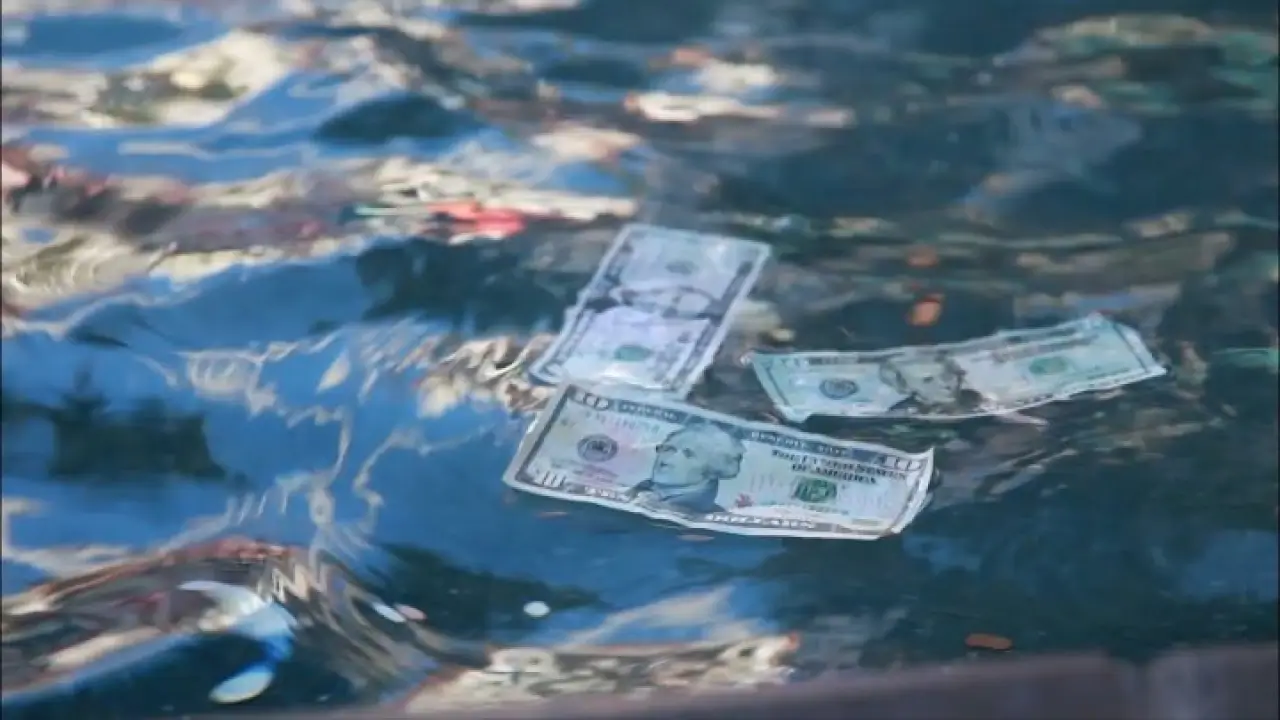
In Uzbekistan, the pre-holiday mood has taken on a distinctive tone this year: discussions about the smell of chlorine in tap water and possible changes on utility bills have moved to the forefront. New explanations surrounding “Ozsuvta’minot” have raised one key question for many: is this about improving service or shifting costs onto people’s wallets? This is reported by upl.uzreports.
To draw a comparison, the company put forward a “strong figure”: a liter of tap water costs 3.3 soums, while bottled water costs 4,000 soums. However, social media debates described this comparison, in sports terms, as “moving the game to a different field”: tap water is a basic necessity, while bottled water is a discretionary choice.
Citizens say the main issue is not that the “ticket is cheap,” but how the system is managed. If the water supply system frequently malfunctions, outages increase, and quality is in question, raising tariffs is not a solution; the service standard must be restored first.
Electricity costs are also at the center of the debate: “Ozsuvta’minot” points to higher tariffs, saying 1 kWh has risen to 1,000 soums. But the public argues, “why should consumers also pay for the inefficient operation of outdated equipment?” Many pumps are old and power-hungry, while modernization seems to be moving slowly.
Another “pain point” is network losses. Even the most optimistic estimates say 35–40% of water is lost in pipelines. In other words, a substantial share of water lifted using expensive electricity and reagents never reaches consumers; in this situation, raising prices looks to many like “trying to fill a leaky bucket by increasing the pressure.”
Another argument cited is that the number of subscribers has increased by 1 million over three years. But participants in the discussion, relying on economic logic, note that as the customer base grows, the unit cost of service should decrease. In their view, if expanding the subscriber base by 10–15% puts the system under financial strain, then there are serious gaps in planning and management.
It is also mentioned that a delay in approving tariffs at the regional level resulted in 128 billion soums in “losses.” Residents see this as the outcome of inter-agency disagreements and stress that responsibility should not fall on local communities.
One of the most questioned points is external loans. It is noted that 9% of each payment goes toward repaying foreign debt. Citizens ask: “If loans were taken to make the system modern and efficient, why are we still hearing about outdated pumps and losses?”—and demand results.
In the end, dissatisfaction over a possible water price increase intensified on social media. Many in Uzbekistan argue that problems should be solved not through higher tariffs, but first by repairing networks, reducing losses, and properly optimizing the organization’s costs.


Comments 0
…