


Saida Mirziyoyeva unveiled the environmental reform plan
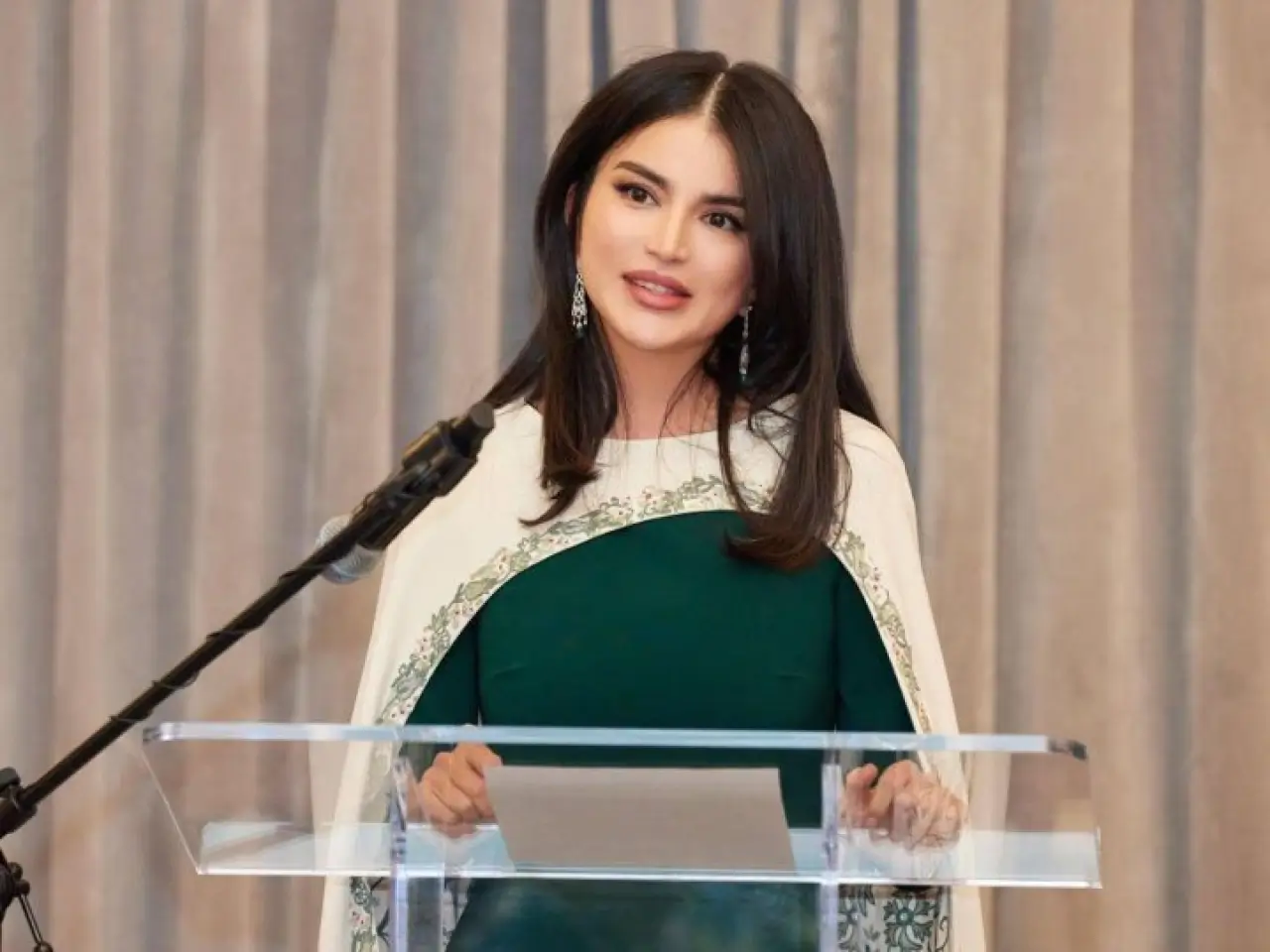
With the arrival of 2026, environmental security and sustainable development have become one of the top priorities on Uzbekistan’s state agenda. In an interview with the Alter Ego project, Presidential Administration Head Saida Mirziyoyeva, reviewing the reform landscape, stressed that real changes in the environment will not be quickly visible unless society’s mindset and business culture undergo a profound renewal. According to her, initiatives in healthcare, education and ecology are a long-distance “marathon,” and results come through years of systematic work. This was reported by upl.uzreports.
One of the most painful points of the conversation was air quality in Tashkent. Saida Mirziyoyeva recalled that at the end of last year the head of state approved an urgent package of measures aimed at reducing pollution. Under this plan, resources were mobilized, oversight powers were expanded, raids involving law enforcement were intensified, and within a short period stricter control over emission sources was established, with positive shifts recorded.
The leadership also views personal example and everyday lifestyle culture as an important “part of the game” in environmental reforms. Saida Mirziyoyeva said she keeps her home temperature around 21–23°C, noting that this not only improves energy efficiency but also aligns with medical recommendations for children’s health. Citing Germany and South Korea, she urged the gradual promotion in Uzbekistan of the habit of maintaining moderate indoor heat and dressing warmer.
In working with the business sector, it was noted that environmental responsibility must become a mandatory standard for doing business. Training for entrepreneurs on environmental safety requirements is being strengthened, and installing modern filtration systems at production facilities remains a core requirement. According to Saida Mirziyoyeva, mandatory measures and systematic monitoring are delivering results; at the next stage, requirements will also tighten in the transport sector, and responsibility for technical condition will also rest with citizens themselves.
In her view, a shift in worldview must start with education. Analyzing issues with graduates’ leadership skills, Saida Mirziyoyeva emphasized that Soviet-era “collectivism” suppressed individual initiative. It was stated that the education system must keep pace with technological change and instill in young people a sense of personal responsibility—for their own future and for the environment. The passive ожидание that “the state will solve everything” will lose; those who can take responsibility will win.
In conclusion, it was recalled that in President Shavkat Mirziyoyev’s December address, the importance of ecology for 2026 was placed on par with economic indicators. Program goals include large-scale urban greening, converting irrigation canals to closed systems to reduce water losses, developing clean public transport, and introducing strict eco-standards in industry. The eco agenda is no longer just a statement—it has moved to practical implementation and strict administrative oversight.
Under the “Yashil Makon” program, a digital map of trees has been created nationwide. This makes it possible to track the number of planted saplings and assign a responsible employee or organization to each tree, helping increase sapling survival rates in the region’s arid climate.


Comments 0
…