


Negotiations between the US and Iran have begun in Muscat: the agenda is narrow...
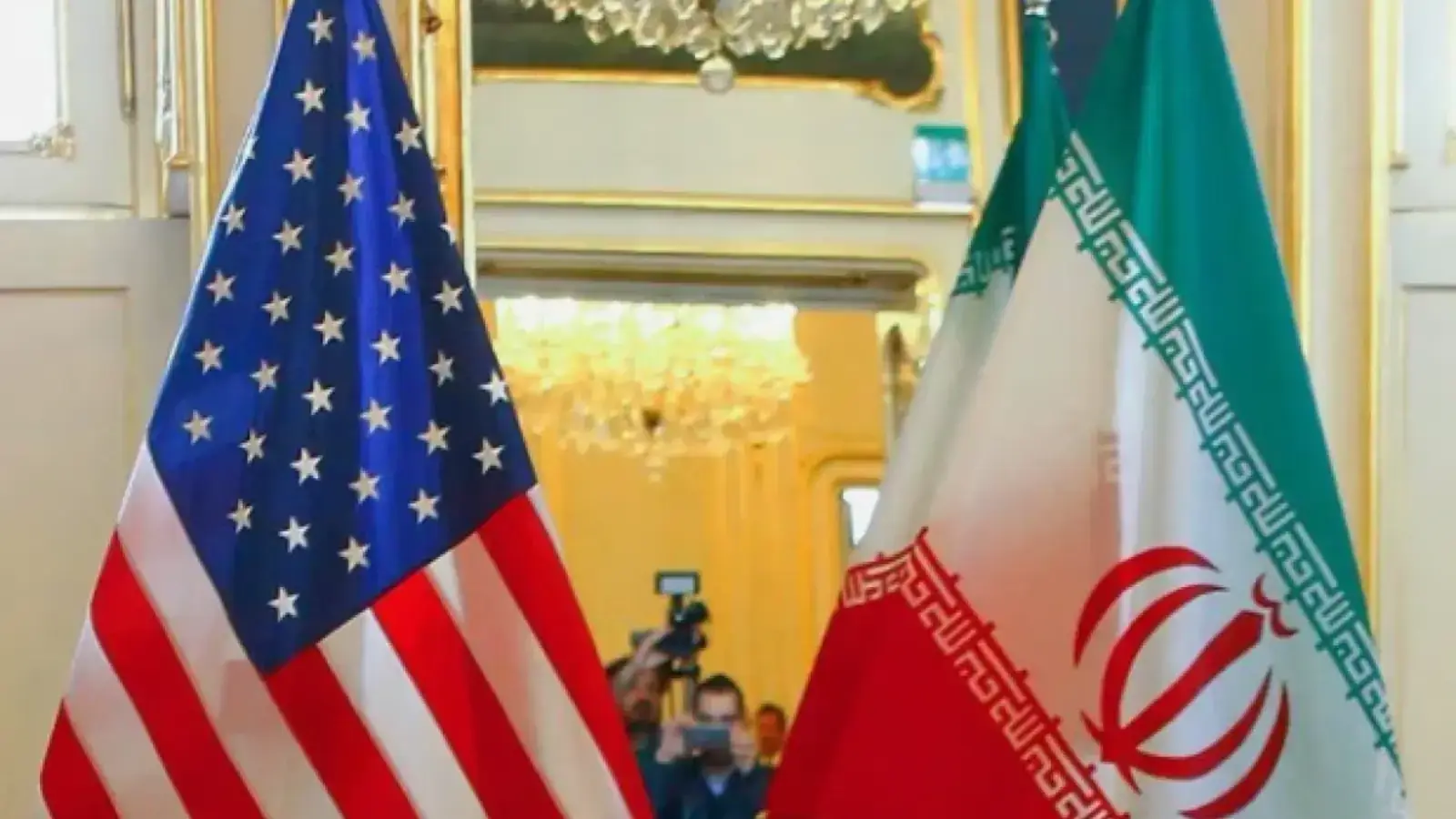
On the morning of February 6, it was reported that negotiations with the participation of US and Iranian delegations began in the capital of Oman, Muscat. According to the Iranian news agency Mehr, the meetings are being held in an indirect format, mediated by the Minister of Foreign Affairs of Oman.
According to sources, the Iranian delegation is headed by Foreign Minister Abbas Arakchi. The US is represented by the president's special representative, Steve Whitkoff, as well as Jared Kushner and one of the heads of the Central Command.
What is the main topic?
Iran's nuclear program and the issue of easing sanctions are at the center of the negotiations. The position of the Iranian side is clear: the agenda should be only about nuclear weapons and sanctions, not ready to add other topics.
In the US, however, the approach is broader: it is said that Washington wants dialogue within the framework of the negotiations on the missile program, the issue of groups in the region, and domestic policy. This opinion was also openly expressed by Secretary of State Marco Rubio, who emphasized that other areas should be discussed alongside nuclear energy.
Why is this meeting so "difficult"?
In recent days, there has been an increase in conflicting reports in the information space: on February 4, Axios sources wrote that negotiations were canceled due to disagreements on the agenda, while Tehran did not officially confirm this.
Moreover, on the eve of the negotiations, the US's call to "immediately leave Iran" also raised concerns: Washington urged its citizens not to link their exit plan to US assistance.
What could happen now?
In the current situation, it is noticeable that both sides have come with "one table, two agendas." Even if negotiations in Muscat lead only to a "minimum agreement" on nuclear and sanctions, this could serve to reduce tensions. If the parties cannot agree on topics - pressure, statements, and harsh rhetoric are likely to intensify again.
In short, the meeting in Muscat is not just a diplomatic protocol. Here, behind every sentence stands the fate of sanctions, security in the region, and a scenario for further steps.



Comments 0
…