


World’s largest iceberg completely breaks apart
Quick readAI-generatedShow
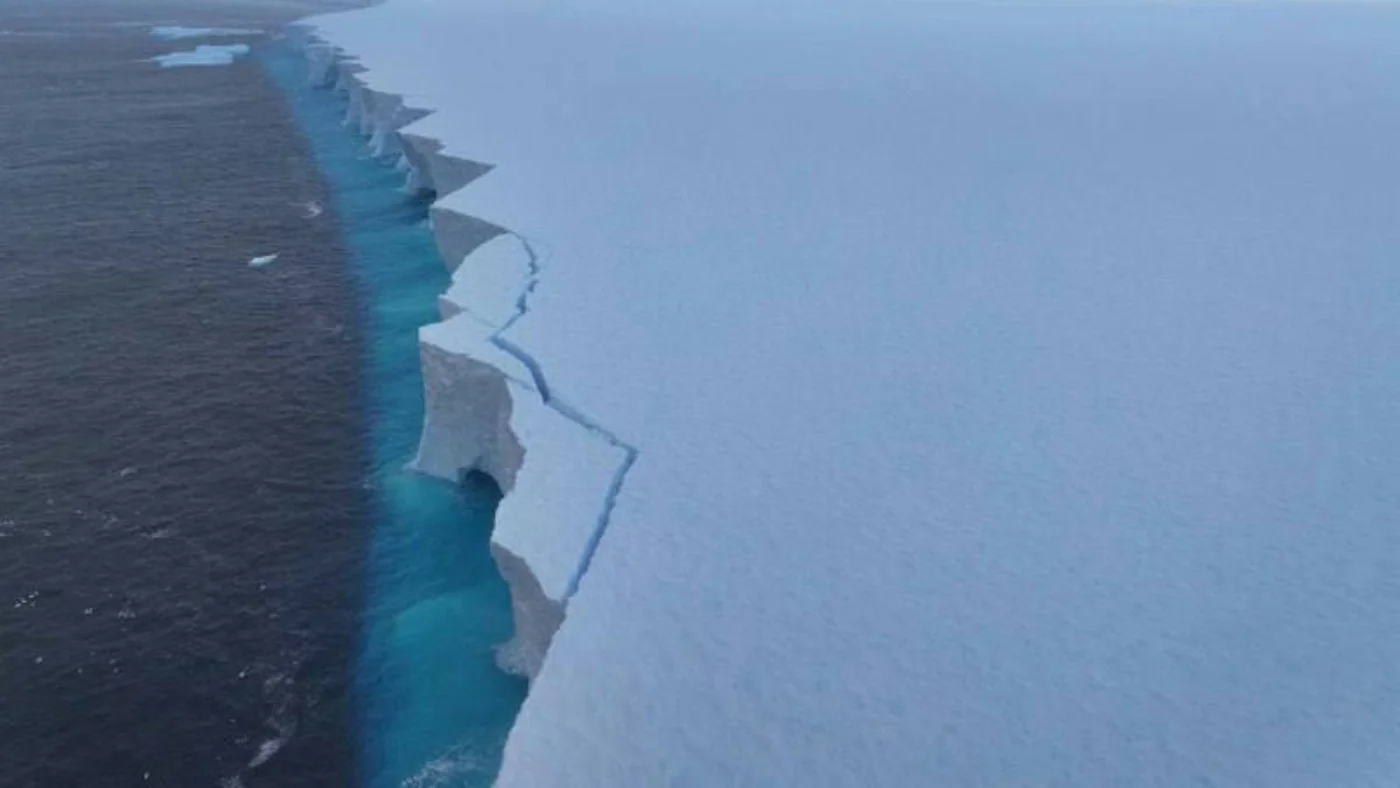
- The world’s largest iceberg, A23a, has effectively reached the end of its life cycle after losing 99% of its original mass.
- Experts from the Arctic and Antarctic Research Institute report that the ice giant, which once spanned over 4,000 square kilometers, has shrunk to less than 50 square kilometers as it drifts into the open ocean.
- After remaining grounded for over three decades following its 1986 calving from Antarctica, the iceberg recently traveled nearly 1,000 kilometers toward the South Atlantic before its rapid disintegration.
- Now floating near the 49th parallel, the remnants of A23a mark the final chapter for what was once one of the planet's most significant natural phenomena.
One of nature’s most astonishing and massive phenomena has come to an end. By the end of 2025, the A23a iceberg, recognized as the planet's largest piece of ice, has almost completely eroded, losing 99 percent of its initial extent. Experts from the Arctic and Antarctic Research Institute reported this development.
The final breath of the ice giant
“In January of this year, the area of this ice mountain was approximately 1,300 square kilometers. However, as of today, less than 50 square kilometers remain. Currently, A23a is drifting in the open ocean and is disintegrating before our very eyes,” stated Polina Soloshchuk, a leading expert at the institute’s Center for Ice and Hydrometeorological Information.
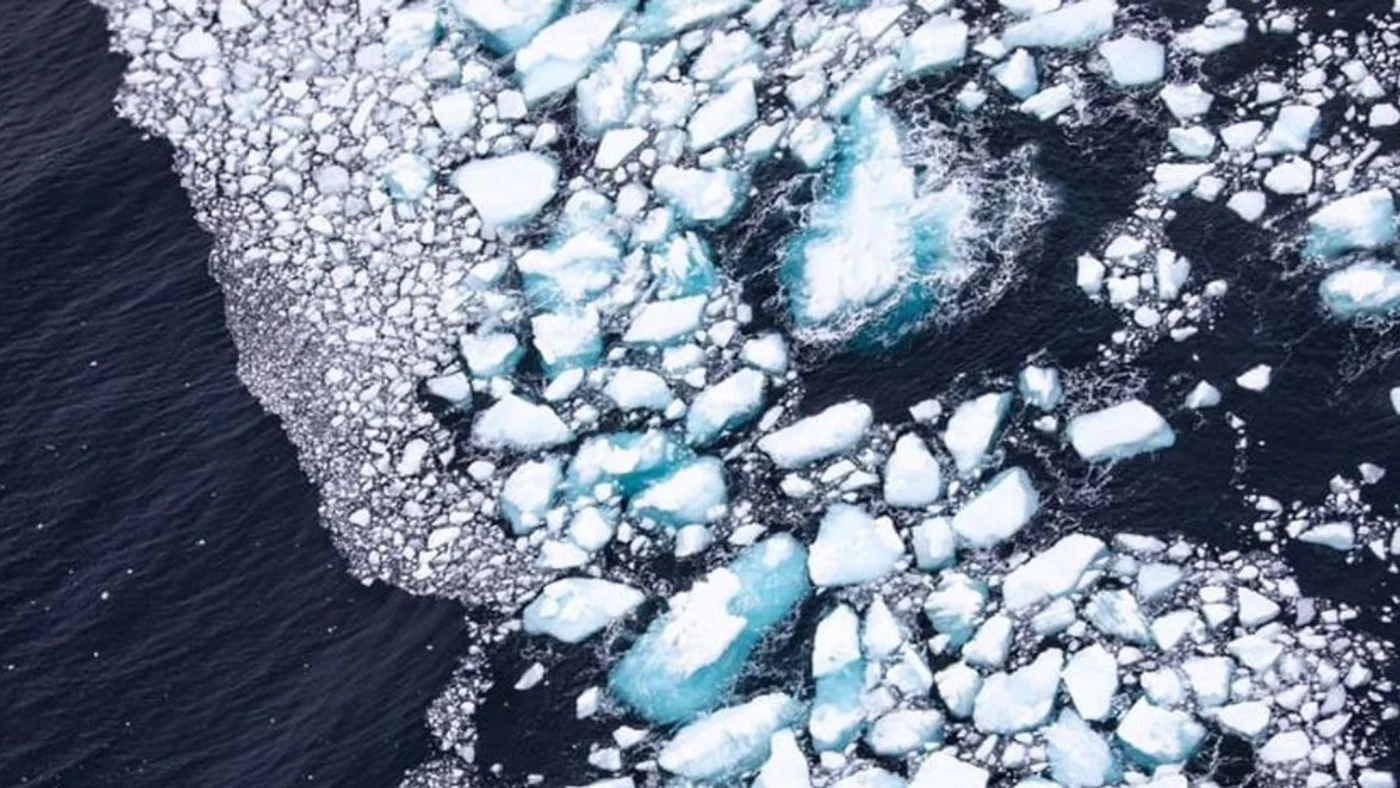
Over the last three months, A23a covered nearly a thousand kilometers, reaching the border where the Southern and Atlantic Oceans meet. It is currently moving around the 49th parallel of southern latitude. The specialists' conclusion is brief and definitive: “The A23a iceberg has reached the end of its life.”
The fate of a glacier etched in history
For reference, the A23a iceberg calved from Antarctica’s Filchner Ice Shelf many years ago, in 1986. At that time, its total area was 4,170 square kilometers, which is nearly twice the size of the city of St. Petersburg.
This ice giant remained stationary in the shallows of the Weddell Sea for over 30 years. It later began its journey along the coast of Antarctica. Although it came to a halt once more in early 2025, it resumed movement near South Georgia Island by August. However, as a result of rapid erosion at the end of the year, A23a lost its mass and has officially bid farewell to its status as the world’s largest iceberg.


Comments 0
…