


Middle East: Israel and Hezbollah Reach Ceasefire Agreement
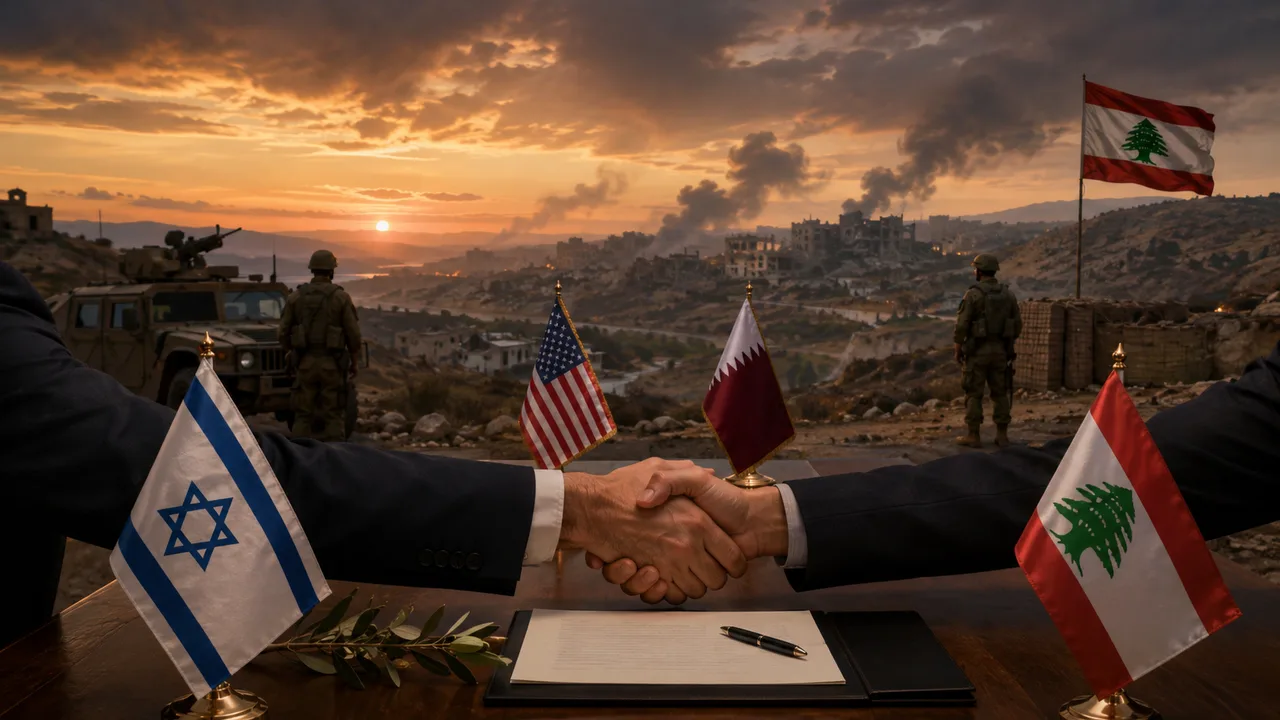
A significant political shift has been observed in the effort to ease tensions in the Middle East. As a result of multilateral negotiations mediated by the US and Qatar, Israel and Lebanon's Hezbollah movement have reached a ceasefire agreement.
International observers view this truce as a first serious step toward extinguishing the flames of a major regional war and regulating Washington-Tehran relations.
Truce Chronology and Key Events
The chain of events in recent days has unfolded as follows:
Date | Event Details |
June 17 | A remote memorandum of understanding was signed between the US and Iran, providing for an immediate ceasefire on all fronts. |
June 19 | Israel and Hezbollah agreed to a ceasefire starting from the second half of the day. The US-Iran meeting in Switzerland was postponed due to clashes in Lebanon. |
Next 60 Days | A critical period during which the parties must develop a final peace agreement based on mutual understanding. |
Agreement Terms and the Situation on the Ground
Although the truce has entered into force, full tranquility is not observed on the front line. Key aspects of the situation are as follows:
Position of the Defense Army: Despite the truce, the Israel Defense Forces (IDF) will maintain their positions in the southern territories of Lebanon.
Israel's Position:
"If Hezbollah does not attack, we will not continue military operations." — High-ranking Israeli official.
Clashes in the first hours: Lebanese sources claim that more than 10 airstrikes were carried out by Israel within the first hour of the truce, and two people were killed as a result of a drone attack. Israel denies these allegations, emphasizing that the agreement has not been violated.
Grand Politics: The Washington, Tehran, and Trump Factor
Behind this truce in Lebanon lies a major geopolitical trade between the US and Iran. According to Hezbollah representative Hasan Fadlallah, Iran made the ceasefire on the Lebanese front a primary condition for continuing negotiations with the US.
Currently, the situation has moved into a mode of mutual waiting:
Tehran's Position: Iran wants to see the practical implementation of US promises before moving to the next stage of the memorandum of understanding.
Donald Trump's Reaction: After the meeting in Switzerland was postponed, Trump criticized the Iranian leadership and stated in a firm tone that only Washington would determine how the next 60-day process unfolds.
At this moment, this 60-day period will be a decisive time that determines whether a stable peace is established in the region or if clashes flare up with renewed intensity. We continue to monitor the development of the situation.



Comments 0
…