


Dangerous Microorganisms Detected in 5,300-Year-Old Mummy
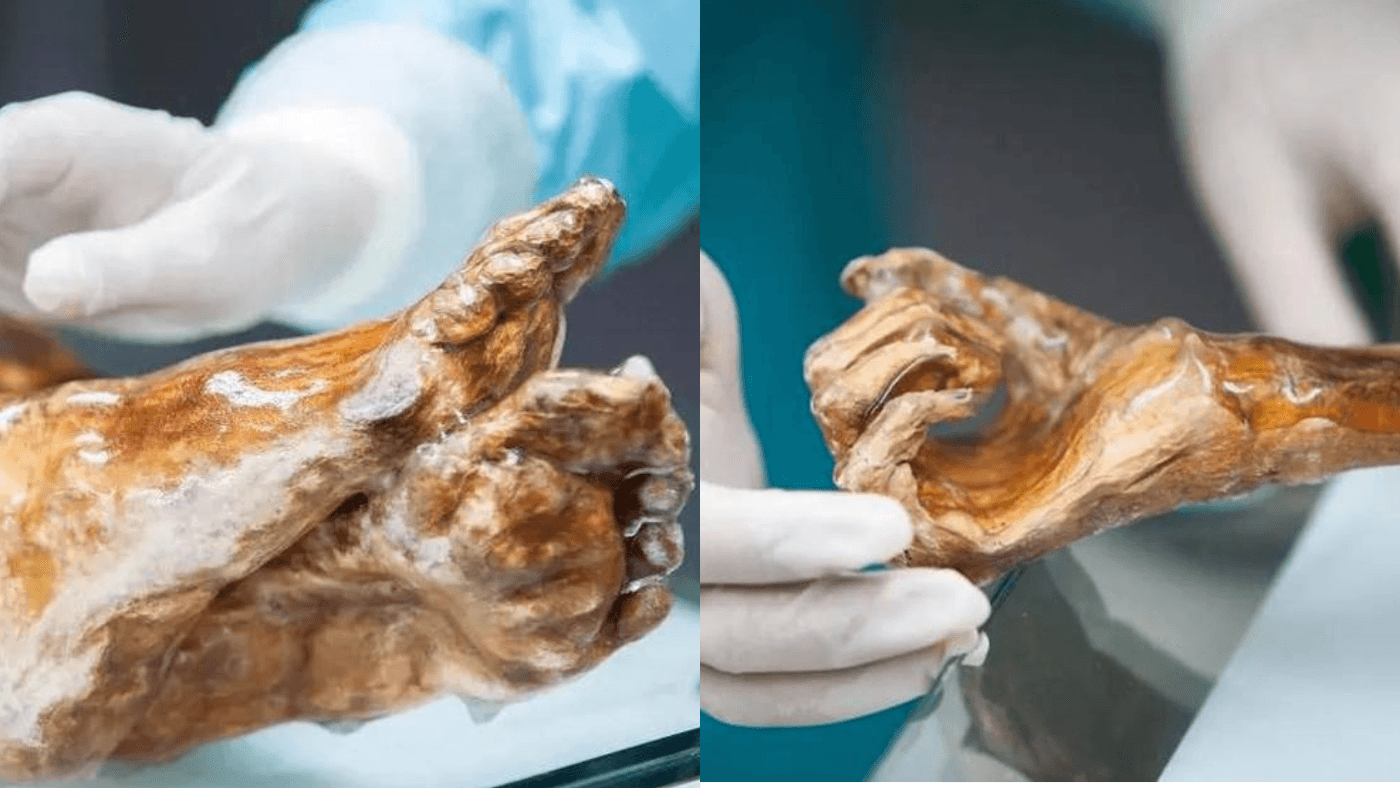
Fungi and bacteria that could cause its gradual decomposition were detected in the 5,300-year-old mummy found in the Ötztal Alps in 1991. This was reported in a study published in the journal Microbiome.
The mummy of the Copper Age man, now known as Ötzi, is kept at the South Tyrol Museum of Archaeology. Although the mummy is stored under special temperature and humidity conditions, these measures cannot completely stop microbial activity.
By examining the mummy's skin, tissues, moisture samples, and soil from the discovery site, researchers successfully identified both modern and ancient microorganisms. Some of them, including gut bacteria, were found to have been present in Ötzi's body during his lifetime.
Experts also identified cold-resistant fungi capable of breaking down proteins, fats, and collagen on the mummy's skin, as well as phenol-degrading bacteria.
According to scientists, the most effective way to preserve the mummy is to refreeze it. However, this could close it off for scientific research and museum visitors. Therefore, museum staff plan to continuously monitor microorganisms and detect potential damage in time.




















Comments 0
…