


Old orchards in Uzbekistan to be renewed with modern plantations
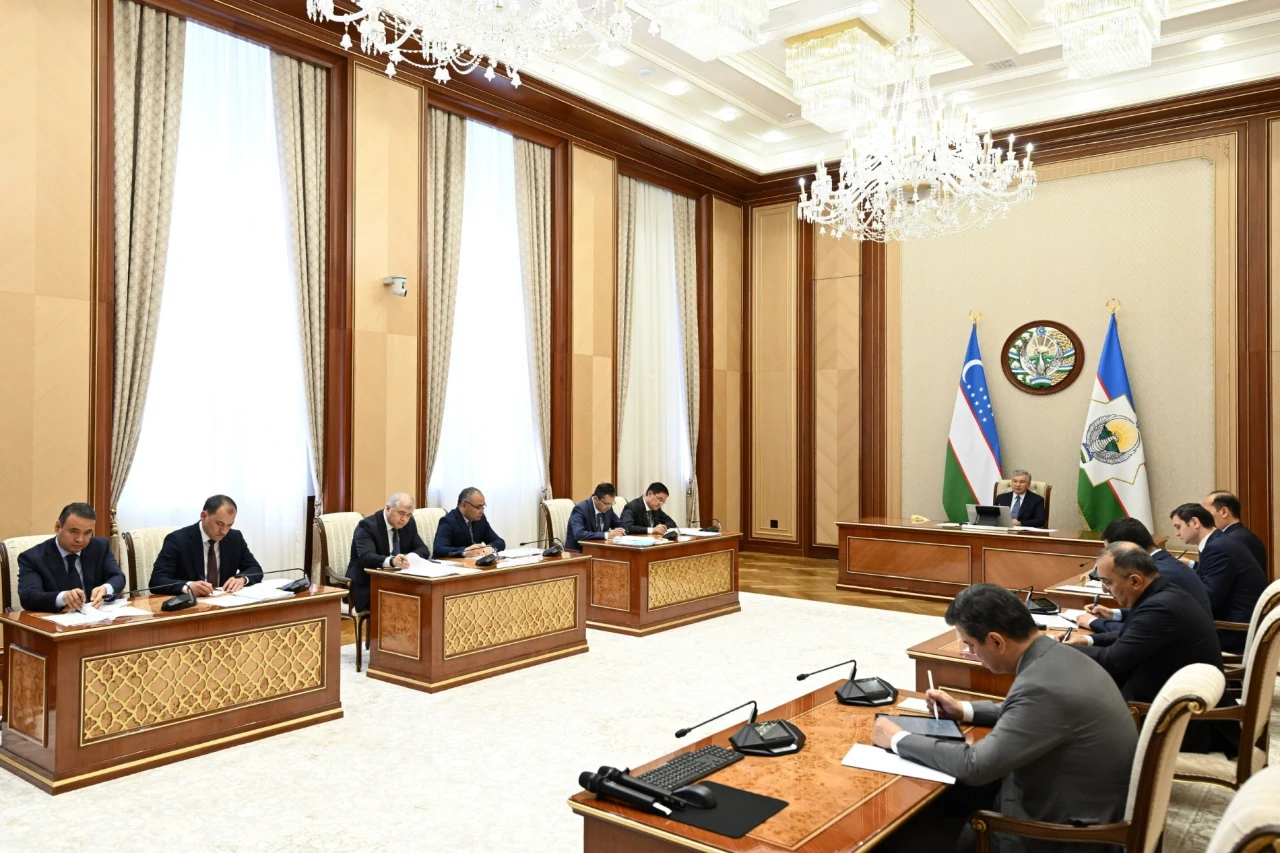
On May 14, President Shavkat Mirziyoyev held a crucial meeting to initiate a fundamental shift in agriculture. The event focused on expanding intensive and industrial orchards across the country and increasing land use efficiency. Uzbekistan aims to increase food exports to $10 billion by 2030.
From old orchards to profitable intensive plantations
Currently, 572,600 hectares of orchards and vineyards in our country generate $1 billion in annual exports and provide a livelihood for nearly 900,000 people. However, there is still significant untapped potential. Analysis shows that 61,000 hectares of aging and 18,000 hectares of unproductive orchards need urgent renewal.
In some regions, yields from old orchards are as low as 5 tons per hectare, with annual income not even reaching 10 million soums. For comparison, in new intensive cherry orchards in the Pap district, yields of 7 tons are achieved even from young saplings, with products exported at $8 per kilogram.
New regulations and the 'Agrostar' partnership
A completely new system for managing unproductive orchards is being introduced:
Strict oversight: Tax rates will be increased for land where industrial orchards are not established within 12 months, and water usage will be restricted if necessary.
'Agrostar' model: Entrepreneurs will partner with 'Agrostar' companies on an equity basis. The state company will invest up to 50 percent, while the entrepreneur participates with land lease rights.
Preferential purchase: Entrepreneurs are given the opportunity to purchase the 'Agrostar' share over 7 years in installments, without revaluation.
Financial support and tax incentives
The state provides comprehensive support to entrepreneurs engaged in horticulture:
Loans: For each hectare, up to 120 million soums will be allocated.
Subsidies: Non-repayable funds of 5 million soums per hectare will be provided for 3 years to maintain industrial orchards.
Tax break: For orchards using water-saving technologies, the water tax is set at just 1 soum for 5 years. Additionally, a zero VAT rate will apply to fruit saplings and rootstocks.
Digitalization and future plans
Land use will now be monitored from space. The condition of orchards will be tracked using satellite imagery through a new information system.
Between 2026 and 2028, a total of 168,000 hectares of industrial orchards and vineyards are expected to be established. $2 billion will be invested in these projects, creating 258,000 new jobs. To renew old orchards on household plots, subsidized saplings and small loans will be allocated through a local neighborhood-based system.
Do you think fruits grown in our local orchards can strengthen their position in the global market?



Comments 0
…