


Donald Trump's new threat has raised concerns in the Middle East
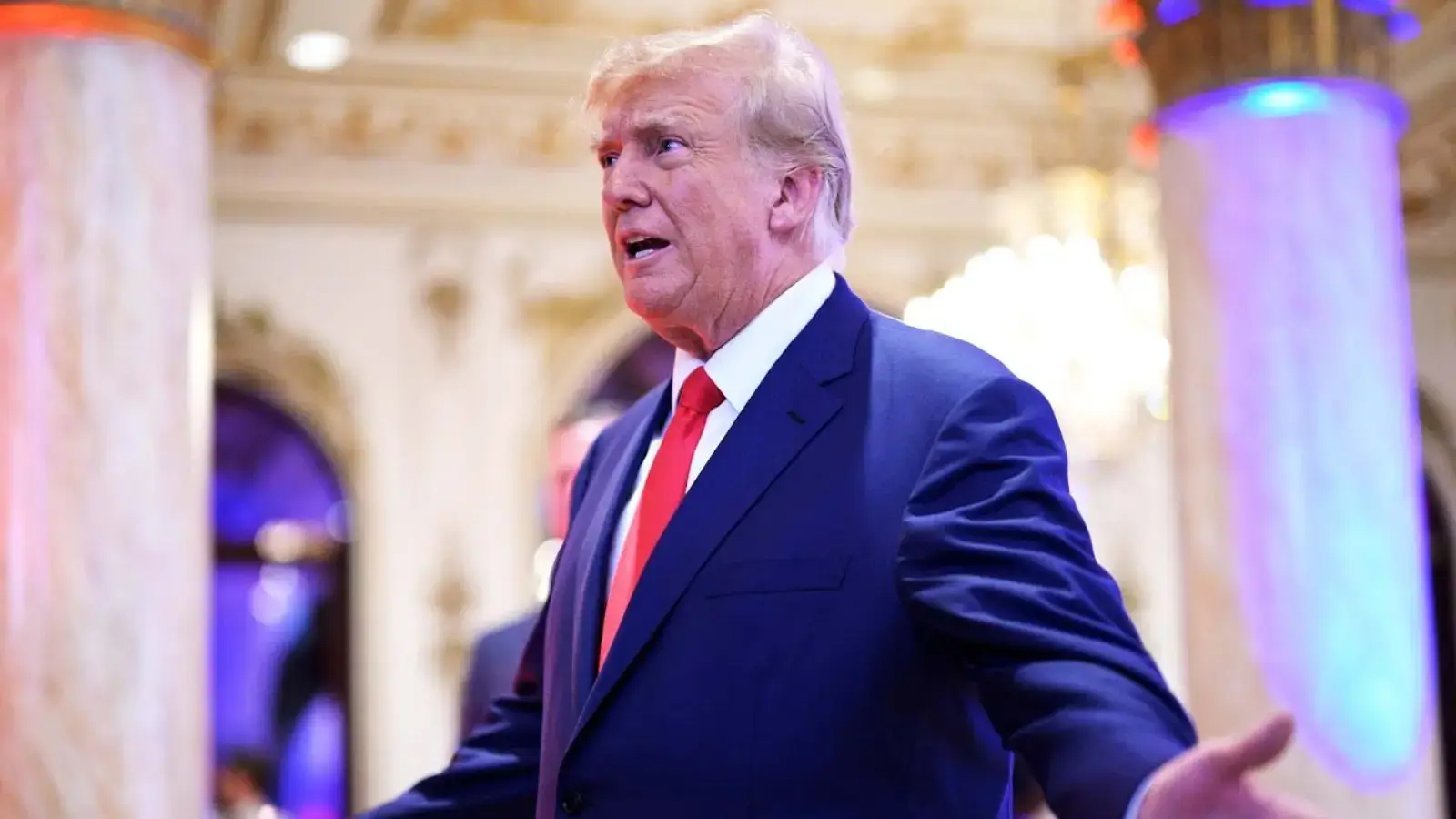
US President Donald Trump's latest harsh statements about Iran have made the tense situation in the Middle East even more serious. In a phone conversation with CNN, he stated that America had not yet launched the most severe and decisive strikes against Iran and did not hide his satisfaction with the ongoing operations. Trump emphasized that Washington's main and biggest military phase is still ahead.
During the interview, the American leader, using very harsh and sharp phrases, said that the operation against Iran is "very strong," and the US has the most powerful army in the world. His words clearly demonstrate self-confidence, readiness to intensify military pressure, and an attempt to send a psychological signal to the opposing side. Trump described the process as an operation that "has not yet reached its harshest stage," emphasizing the possibility of a "big wave" coming soon.
During the conversation, he was asked whether the US was helping the Iranian people not only militarily but also by other means. Trump responded to this in a tone close to affirmation, but did not give a clear explanation of what specific measures are being taken. At the same time, he added that in the current situation, it is better for people not to leave their homes, as the streets are unsafe. This means that the situation is going beyond the scope of the military conflict and is showing signs of greater instability.
According to Trump, one of the most unexpected events for him was Iran's initiation of threatening actions against certain Arab states in the region, including Bahrain, Jordan, Kuwait, Qatar, and the United Arab Emirates. He assessed this as an unpleasant surprise for Washington, pointing out that the Gulf states could now be drawn into the conflict. Such a development will lead to a dangerous stage in the conflict, which could encompass not only the confrontation between Iran and Israel, but also the entire region.
Meanwhile, in another interview with the New York Post, Trump made another crucial statement. He also stated that he would not rule out the possibility of American ground troops entering Iranian territory if necessary. This opinion of the president made many even more wary, since in recent years Washington's leaders usually tried not to openly mention such a scenario. Trump, on the contrary, openly stated that he would not shy away from such a decision "if necessary."
The escalation of the conflict reached a new stage on February 28 with major strikes by the US and Israel targeting targets in Iran. According to Reuters, reports of the death of Iran's Supreme Leader, Ali Khamenei, followed these attacks, and in subsequent days, counterattacks between Israel and Iran continued. There have also been reports of retaliatory attacks on US targets and other targets in the region.
In short, Trump's recent statements are seen not as mere political speeches, but as a sign of a new, more difficult military stage. If the threat of a "big wave" is realized, the situation in the Middle East may become even more tense, the geography of the war may expand, and it may affect many areas, from global markets to security. Now the world's attention is focused on one point - when and in what form will Washington take the next step?



Comments 0
…