


Threats in the Strait of Hormuz seriously alarmed the world market
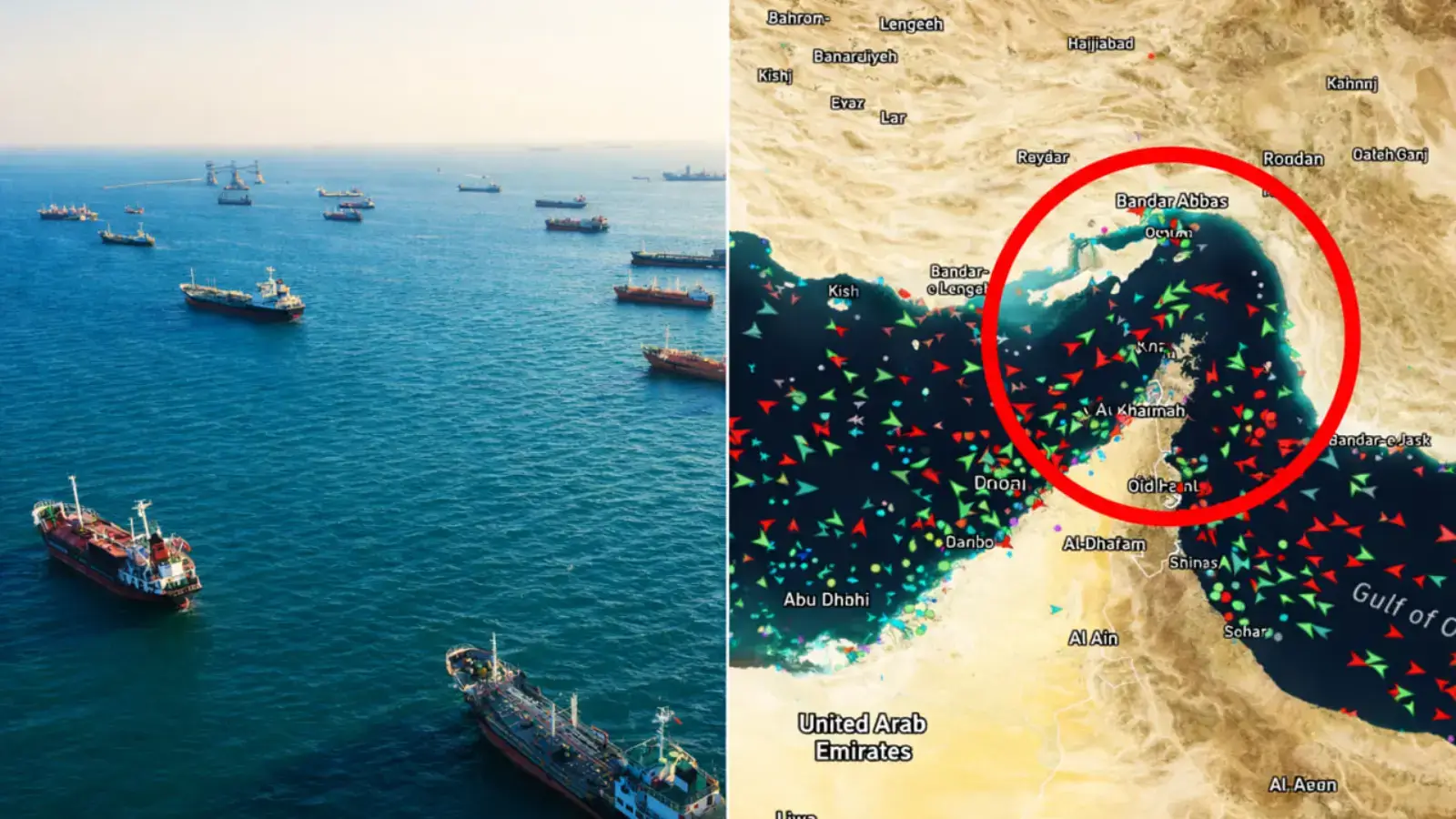
Tension in the Middle East is entering an even more dangerous phase. Concerns surrounding the Strait of Hormuz have sharply intensified following recent statements by sources close to the Iranian Islamic Revolutionary Guard Corps. Reports indicated that this strategic waterway was allegedly "closed," and ships attempting to cross it could be threatened with attack. However, the most delicate aspect of the situation is that this claim has not yet received officially confirmed closure status from the point of view of international maritime regulations.
According to Reuters, statements close to Iranian-backed military circles claim that force could be used against "any ship" attempting to cross through Hormuz. The publication assessed this as one of Iran's most harsh and severe warnings so far. These statements, in particular, increased concerns about the threat of war and energy supply in the region.
Nevertheless, the UK Maritime Trade Operations Centre - UKMTO - highlighted a key point in its official warning issued on March 1: No official notification was made through recognized international maritime security channels about the closure of the Strait of Hormuz. According to UKMTO, although messages about "transit restrictions" circulate in open sources and VHF communication waves, no official closure has been announced through NAVAREA warnings or IMO-recognized information systems.
In addition, the OHCHR emphasized another important legal aspect: calls for "restriction of passage" made through the VHF are not considered an official suspension of transit under international maritime law. Simply put, a threat or restriction claim on the radio does not yet constitute an official decision that has legal force. But this, of course, does not mean that there is no danger - on the contrary, it is noted that misunderstandings, mistakes, and the probability of military conflict are quite high.
The Joint Maritime Information Center also assessed the situation seriously and raised the level of regional maritime danger around Hormuz to "Critical" - that is, extremely dangerous. The report states that in recent days, the current situation has approached a state of "active combat threat" due to attacks on commercial vessels, shells, drones, and interference with navigation. At the same time, they also noted that the "official legal closure" has not yet been announced.
The US Naval Administration - MARAD - has also issued a special warning about the high risk of military operations and possible retaliatory strikes in the Strait of Hormuz, the Persian Gulf, and the Gulf of Oman. This warning is currently in "active" status. This means that Washington also believes there is a real threat to maritime movement, commercial ships, and regional logistics.
Experts note that the Strait of Hormuz is not just a simple sea route. It is one of the most important points in the global energy chain, and approximately one-fifth of global oil consumption passes through this corridor. A significant share of liquefied natural gas sales also depends on this region. So, even if it's not officially closed, every threat, every attack, or every vague signal there can immediately affect oil prices, marine insurance, and global markets.
In short, the current picture is very delicate: sharp threats from Iran are sounding, and international naval structures say there is no official closure yet. That is, Hormuz is not yet legally blocked, but in practice, every action there is under high risk, high suspicion, and high pressure. In such conditions, the world's attention is focused on one point - will free movement through the strait be maintained, or will the tension dealt a more severe blow to the global energy market?



Comments 0
…