


Armed clash in Strait of Hormuz: Oil tankers under siege
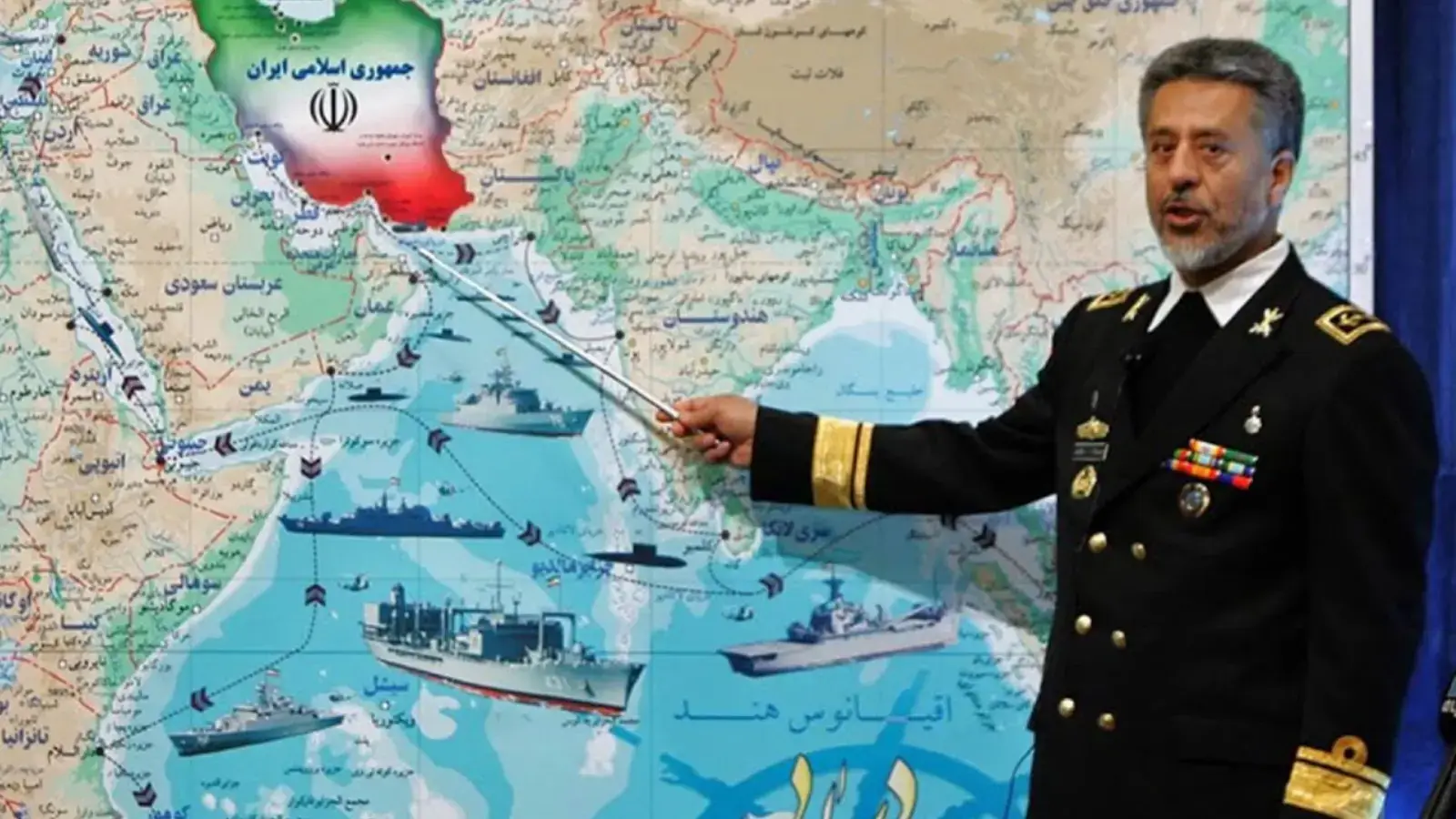
The Strait of Hormuz, considered the "artery" of the world economy, has now become a huge military training ground. Sarcastic statements and open clashes between Iran and the US are shaking the oil market. Zamin.uz has collected the most important information about the latest critical situation in the region and the fate of sea routes.
On March 4, the Iranian side declared absolute dominance over the Strait of Hormuz. According to Muhammad Akbarzoda, a spokesperson for the Islamic Republic's Navy, any foreign vessel attempting to cross this strategic corridor will become a target for Tehran's missiles and drones.
Trump's response and insurance guarantees
US President Donald Trump quickly responded to these threats. He stated on the Truth Social platform that the U.S. Navy is ready to protect oil tankers:
- Military escort: U.S. Navy ships will safely escort tankers through the strait if necessary.
- Financial Shield: The International Finance Corporation (DFC) has been tasked with providing special insurance and guarantees for commercial ships in the Persian Gulf. This is a step towards saving maritime trade from stagnation.
CENTCOM: "Iran has no ships left."
Against the backdrop of political statements, military actions are also mercilessly continuing. Admiral Brad Cooper, head of the US Central Command (CENTCOM), stated that 17 Iranian ships, including one submarine, have been destroyed since the start of the war. According to him, now there are no remains of the Iranian military fleet in the Persian Gulf and the Gulf of Oman.
Tragic landscape in the region
The US and Israel's operation against the Iranian nuclear program, which began on February 28, had severe consequences:
- Victims: According to the latest data, 787 people have died in Iran.
- The death of leaders: The death of Iran's Supreme Leader, Ali Khamenei, and a number of generals has been confirmed.
- Retaliatory strikes: Tehran is not giving up - missile strikes have been launched on US bases in Israel and neighboring Arab countries.
Oil crisis: What awaits the world?
Due to the suspension of traffic in the strait, at least 150 oil tankers have accumulated in the open sea. Considering that 20% of the world's oil and 30% of liquefied gas pass through here, the situation is extremely alarming.
Forecast: If the Strait of Hormuz is closed for a long time, there may be a shortage of 10 million barrels of oil per day. This means a surge in fuel prices and a global economic crisis.
In your opinion, can US military surveillance ensure the safety of oil tankers, or will this only exacerbate the situation?
Follow the details of the most important events that are changing the world together with zamin.uz.



Comments 0
…