


"Surprise" for Trump: Iran launched Khomeini's secret plan
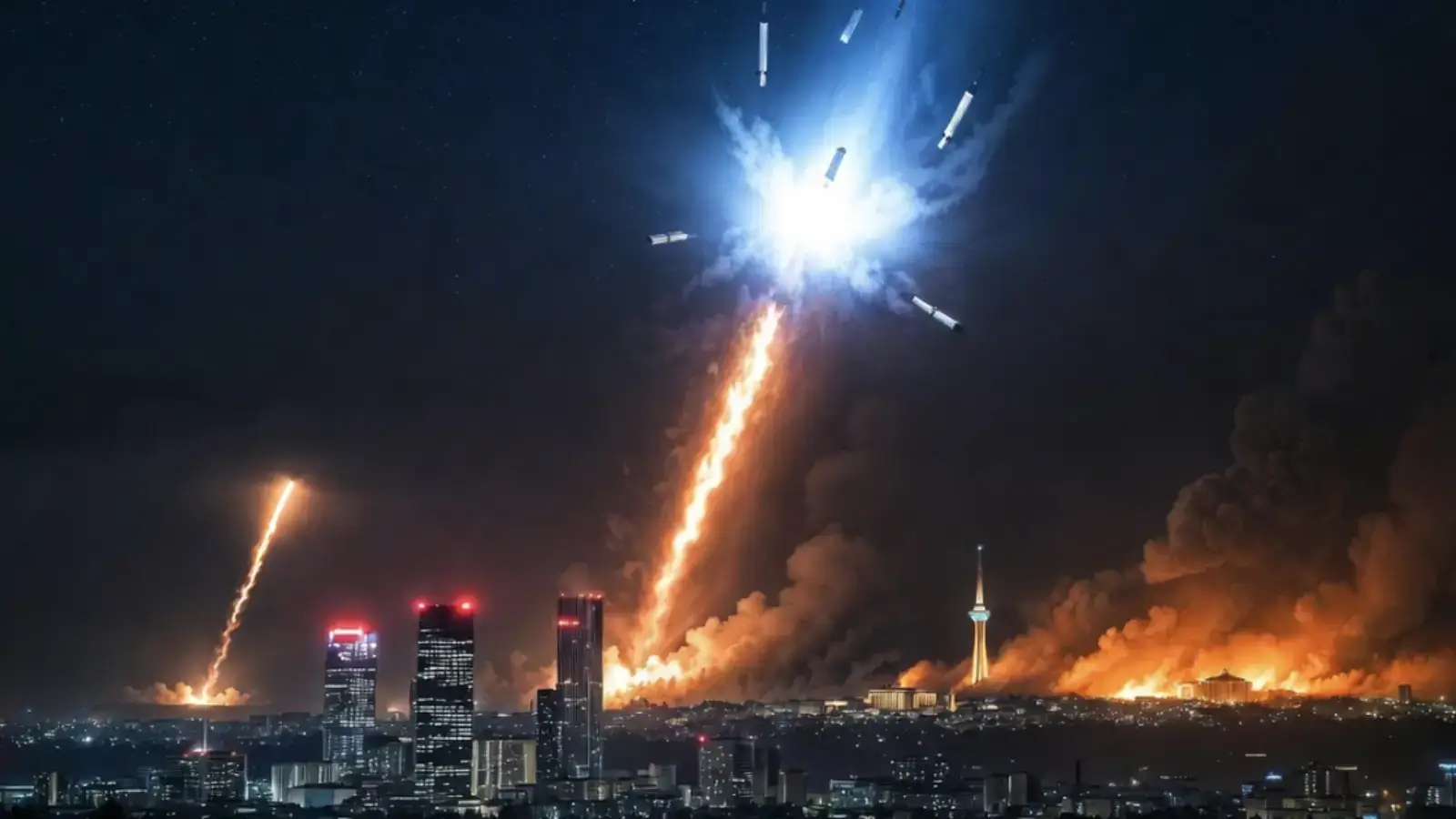
Western analysts and a number of international media outlets have issued sharp assessments that the situation around Iran has shifted in a new direction. According to them, the scenario of "the regime quickly shaking" after the US and Israeli strikes did not work: instead of the expected mass riots, Tehran's security system tightened, and intelligence and counterintelligence activities intensified. Reuters and other sources also cite reports of the detention of individuals allegedly linked to Mossad by Iran.
The most discussed point is that the state mechanism hasn't stopped even against the backdrop of news about the death of Iran's Supreme Leader Ali Khamenei. Reuters' latest materials (based on available information) note that Tehran is undergoing an extremely high-stakes process regarding succession and security issues, and public events are being reviewed due to risk factors.
Against this backdrop, the Financial Times, citing a source in Tehran, reported the launch of a "pre-approved strategy" in Iran. According to the publication's interpretation, this approach aims to increase external pressure by expanding the conflict with the US and Israel not only within the borders of the two countries but throughout the entire Middle East.
The FT writes that the scenario also includes the logic of providing a "cold shower" to the investment climate in the Persian Gulf countries through strikes on energy infrastructure and security risks. That is, the idea is put forward that if the threat increases, economic pressure in the region will increase, which can also increase political pressure on Washington.
The publication mentions another important aspect: a tactical approach designed for autonomous actions of individual units even in the event of the death of leadership and generals. According to this view, even if the decision-making chain is damaged, the system can be pre-adapted to prevent resistance from "turning off."
Of course, we must not forget that all such assessments are "source-based interpretations." In the real arena, however, every step can lead to an even more dangerous escalation - especially if the war front expands, which will be a blow to security and economic stability not only in Iran and Israel, but throughout the entire region. Reuters also highlights the escalation of the conflict, the intensification of strikes, and escalating tensions in the region.
The conclusion is simple: if the strategy described by the FT has actually been implemented, it's not a "short war," but rather a long-term pressure game. At such a time, the greatest danger for both sides is the loss of control. And in such a scenario, "surprises," unfortunately, don't end quickly.
Source: topnews.ru



Comments 0
…