


Rare Astronomical Phenomenon Tomorrow — The Longest Day of the Year
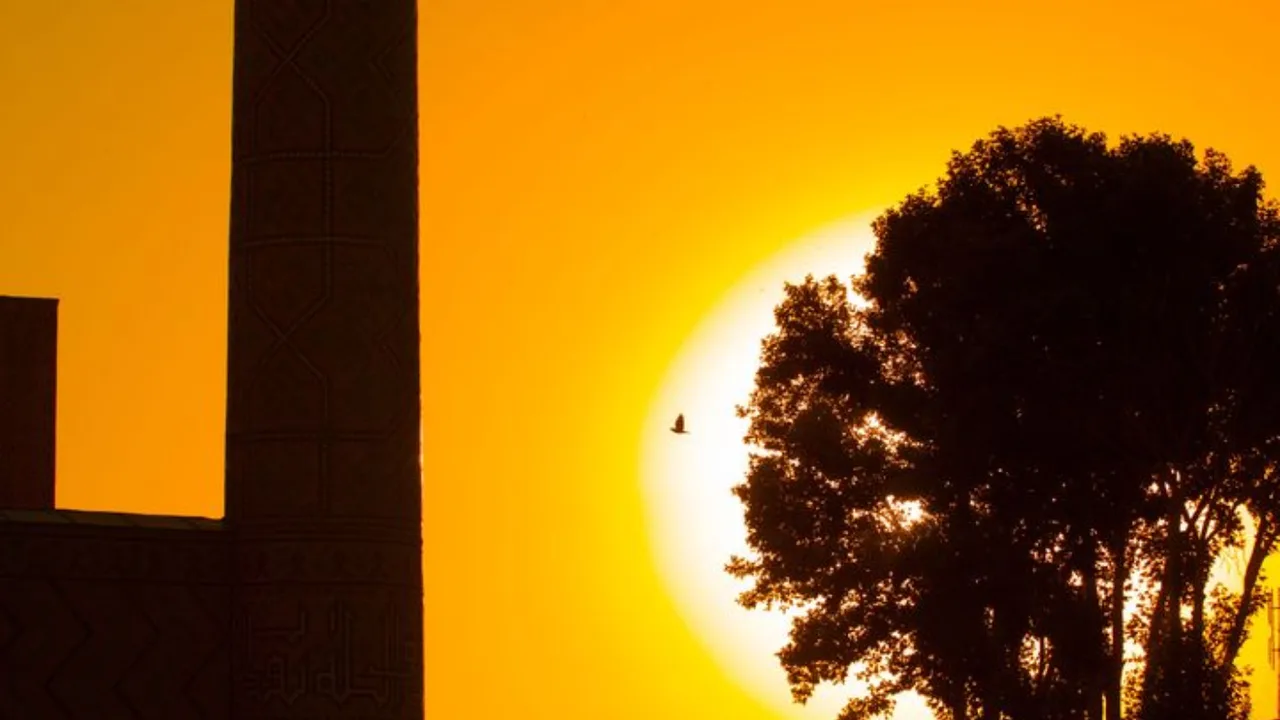
Tomorrow, June 21, the longest day of the year will be observed in the Northern Hemisphere, according to Associated Press.
This phenomenon is called the summer solstice and is considered one of the most important astronomical processes in nature. At this time, the Sun remains visible in the sky for the longest duration, and people enjoy the maximum amount of daylight of the year.
In the Southern Hemisphere, the opposite occurs. The shortest day of the year is observed there, marking the beginning of the winter season.
It is reported that the term 'Solstice' comes from the Latin words 'sol' meaning Sun and 'stitium' meaning stop or pause. The summer solstice marks the culmination of the Sun's ascent to its highest point in the sky during the year. After this day, the days gradually begin to shorten, a process that continues until late December.
Experts note that as the Earth moves around the Sun, its axis is slightly tilted. Consequently, sunlight and heat are not distributed equally between the Northern and Southern Hemispheres throughout the year.
The 'solstice' is the period when the Earth is most or least tilted toward the Sun, and it is at this moment that the difference between day and night reaches its maximum level.
In the Northern Hemisphere, the summer solstice usually occurs between June 20 and 22. This year, the phenomenon falls on June 21.
The opposite occurs during the winter solstice. At this time, the Northern Hemisphere tilts furthest away from the Sun, resulting in the shortest day and longest night of the year. The winter solstice typically occurs between December 20 and 23.


Comments 0
…