


Turkey Officially Replaces 'Central Asia' with 'Turkestan'
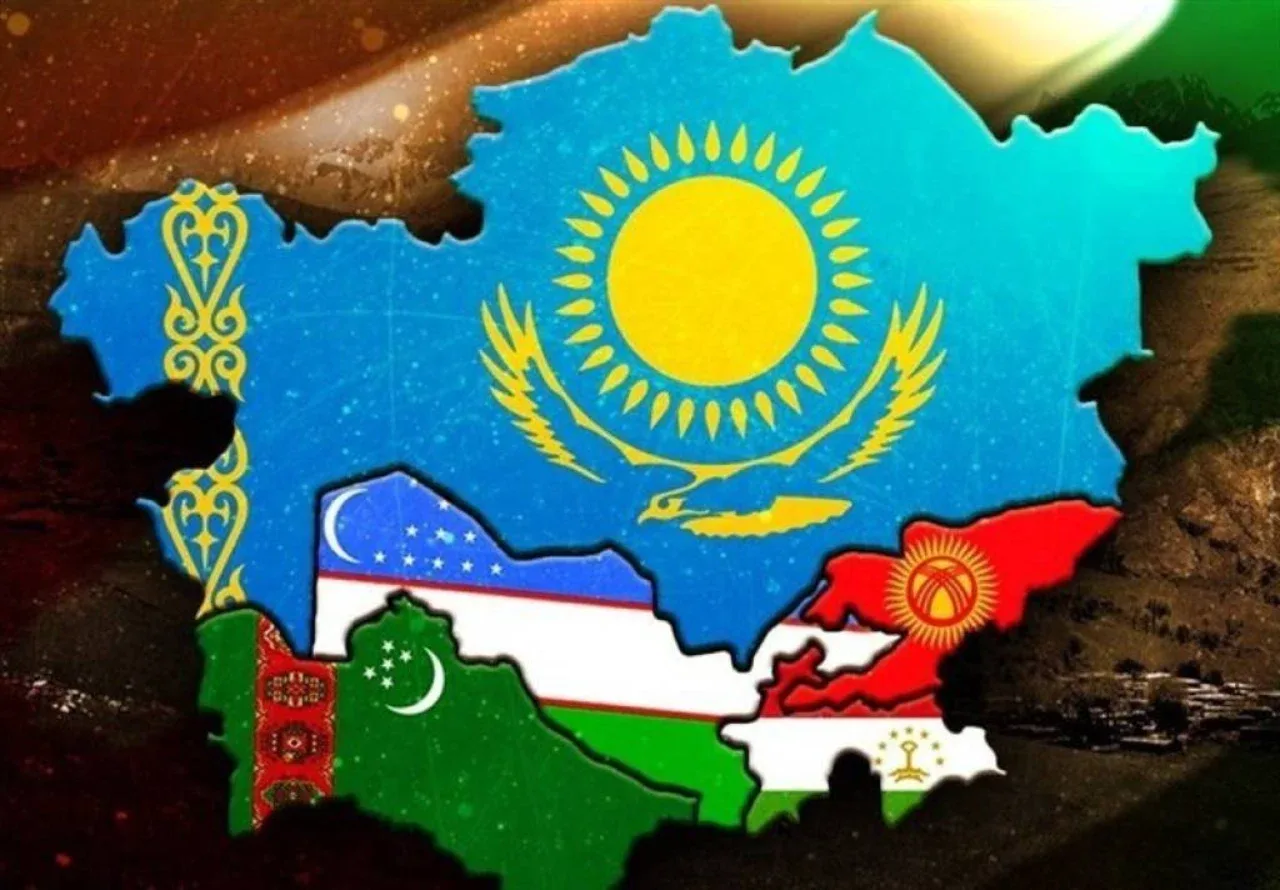
Ankara has introduced a significant ideological change to school history textbooks as part of the new 'Century of Turkey' education model. From now on, the geopolitical term 'Central Asia,' used for many years, will be replaced by the historical name 'Turkestan.' What goals lie behind this reform, and how is it perceived in the region?
What is the main goal of the reform?
According to the Turkish Ministry of Education, this terminological change is not merely a renaming but carries deep ideological significance:
A unified Turkic identity: In textbooks, the region will now be presented as a common historical space of the Turkic world, linking ancient civilizations with modern Turkey.
Moving away from external definitions: The primary aim of this step is to abandon definitions imposed by the Soviet era and Western political science, and to restore the historical memory of the Turkic peoples.
Clash of Perspectives: Alliance and Concern
This change is sparking various debates in international relations, particularly among regional states and experts:
Party / State | Main approach and argument | Analysts' assessment |
Turkey | The region is the common cradle of the Turkic world and a field for future integration. | This step is part of Recep Tayyip Erdoğan's strategy to strengthen his role as the leader of the Turkic peoples. |
Tajikistan | Official dissatisfaction. Historians emphasize that the region has never consisted solely of Turkic tribes. | There are concerns that the term 'Turkestan' symbolically excludes Iranian-speaking peoples (Tajiks) from the regional historical context. |
Historians' Debate: The Legacy of Sogdia and Bactria
Tajik scholars remind us that Iranian-speaking civilizations played a massive role in the history of Central Asia. In particular, the cultural heritage of ancient centers such as Sogdia, Bactria, and Khwarezm shows that the region does not belong to a single ethnos.
Soft Power and Great Geopolitical Competition
Experts believe that large geopolitical plans lie behind Ankara's ideological move. In a situation where Russia and China have strong economic and political influence in the region, Turkey seeks to strengthen its "soft power" policy through the cultural and educational sphere. Shaping historical ties starting from school age is considered the strongest foundation for long-term strategic cooperation.



Comments 0
…