


Do These 6 Drinks Really Heal Internal Organs?
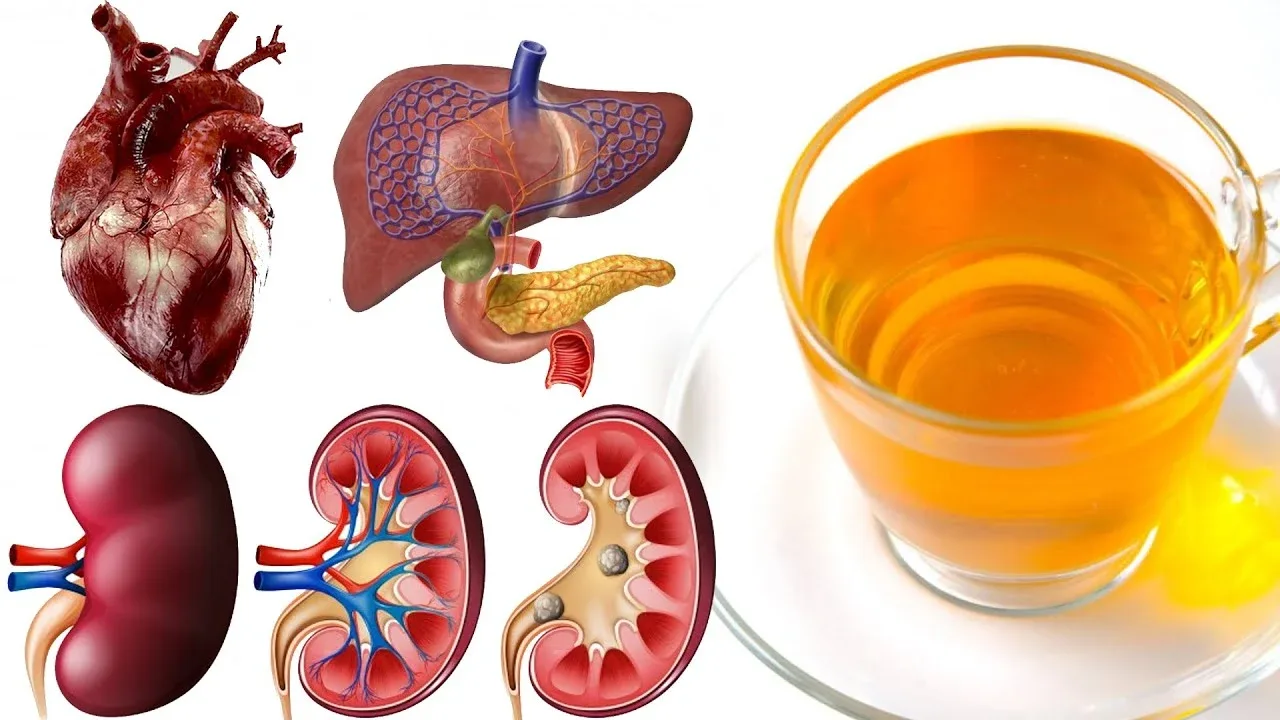
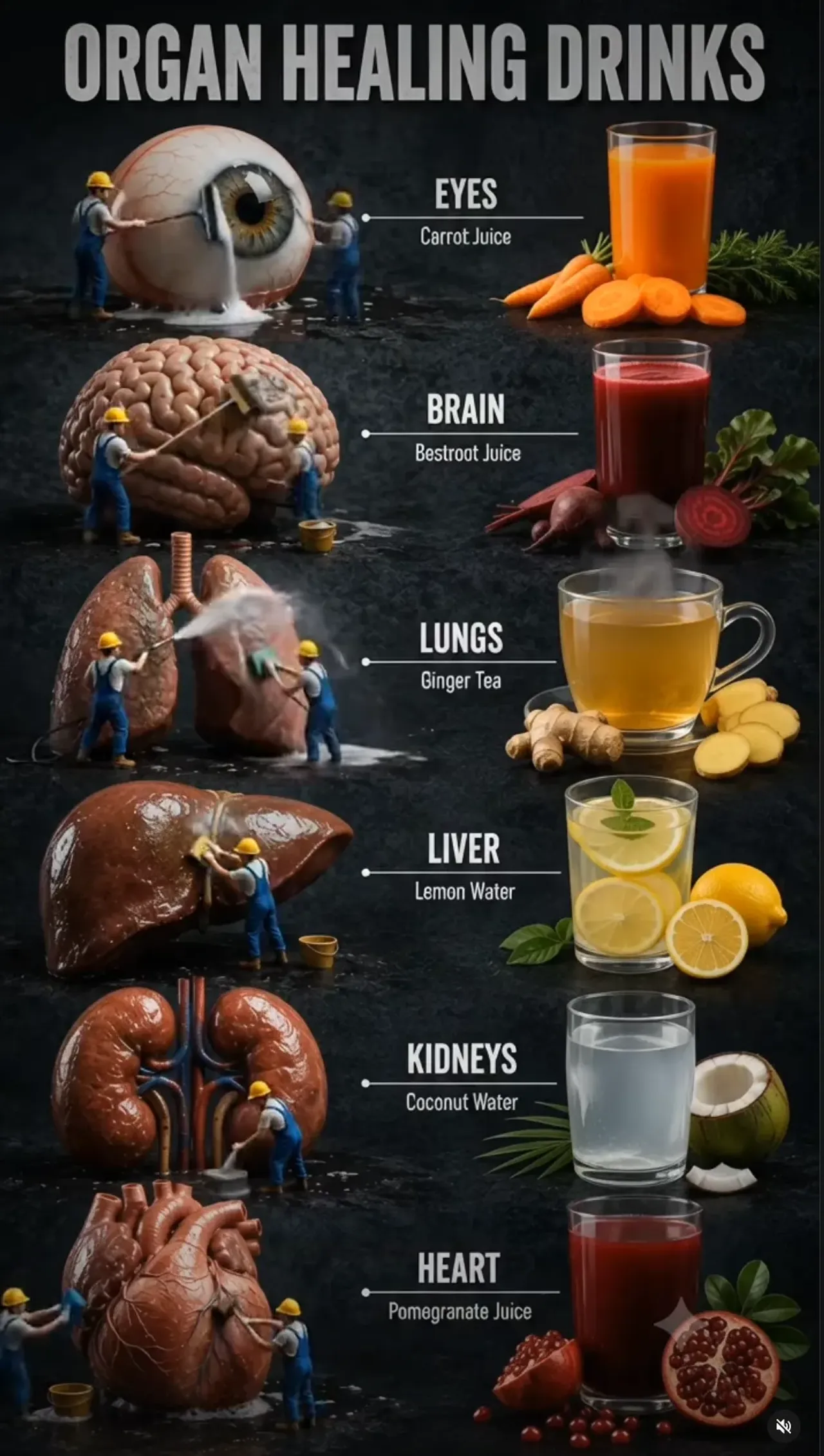
Recommendations such as “carrot juice heals the eyes,” “beetroot is good for the brain,” “lemon water cleanses the liver,” or “coconut water restores the kidneys” frequently appear on social media. The image also shows separate drinks for six important human organs.
But do they really “heal” organs? According to scientific data, some drinks contain beneficial substances and may be part of a healthy diet. However, no juice or tea can independently “restore” a diseased organ.
Carrot juice and the eyes: there is some truth, but with one condition
The image recommends carrot juice for the eyes. This idea has some scientific basis.
Carrots are rich in beta-carotene. The body can convert it into vitamin A, which is important for normal vision, the immune system and other physiological processes. The US National Institutes of Health also notes that vitamin A is necessary for normal vision.
However, this does not mean that “carrot juice restores vision.”
For example, myopia, cataracts, glaucoma or retinal diseases cannot be treated with carrot juice. For a person with vitamin A deficiency, obtaining enough of the vitamin is important, but if a person already gets sufficient vitamin A, drinking more carrot juice will not automatically sharpen their vision.
Beetroot juice for the brain: this is where the most interesting evidence lies
Nitrates in beetroot may affect processes associated with nitric oxide in the body and alter the functioning of blood vessels.
Some studies have found that nitrate-rich beetroot juice can affect blood-flow indicators in the brain and certain cognitive tasks. For example, in a controlled study involving healthy adults, a single intake of beetroot juice affected the results of some cognitive tests and blood flow in the brain.
But the results are not consistent.
In another randomized study lasting 13 weeks, beetroot juice did not produce significant improvements in the cognitive function or cerebral blood flow of older participants.
Therefore, it is too early to say that beetroot juice “heals the brain,” although its effects on the vascular system remain an interesting area of scientific research.
Does ginger tea “cleanse” the lungs?
The image shows ginger tea for the lungs. Ginger has long been used in various traditional medicines for colds, digestive problems and other conditions.
However, in modern research, the most reliable evidence on ginger mainly concerns conditions such as nausea. The US NCCIH also notes that evidence for ginger’s benefits for many other purposes is limited.
Some studies have also been conducted on respiratory diseases. For example, in a randomized study involving patients with COVID-19, ginger did not significantly improve key indicators such as viral clearance, oxygen saturation or respiratory rate.
Therefore, hot ginger tea may soothe the throat or provide warmth, but it is not correct to regard it as a “lung-healing drink.”
Does lemon water cleanse the liver?
This is one of the most popular myths.
Lemon water is a pleasant way to increase water intake. It also provides some vitamin C and other substances from the lemon.
However, there is no reliable clinical evidence that special lemon water is needed to “detox” the liver.
Johns Hopkins hepatologists emphasize that liver-cleansing diets and products have not been sufficiently proven clinically, while the liver is one of the body’s main filtering and processing systems.
In other words, there is no need to “flush out” the liver.
What matters much more for it is limiting alcohol, maintaining a healthy weight, avoiding overeating and undergoing medical examinations when risk factors are present.
Coconut water for the kidneys: it may be beneficial, but it may also be risky
Coconut water is rich in electrolytes, particularly potassium.
Small studies have shown that consuming it can increase the amount of citrate in urine. In a study involving eight healthy volunteers, coconut water increased urinary citrate and potassium levels.
Another small randomized study published in 2025 also found that coconut water and lemon water increased urinary citrate, but the authors emphasized that these results need to be confirmed in larger studies.
Nevertheless, it is impossible to conclude that coconut water “heals the kidneys.”
In fact, its high potassium content can be problematic for some people with reduced kidney function. The National Kidney Foundation recommends that people with kidney disease exercise caution with coconut water as a beverage high in potassium.
Pomegranate juice and the heart: one of the drinks with the strongest evidence
Pomegranates are rich in polyphenols, and their effects on the cardiovascular system have been examined in a number of clinical studies.
An analysis covering 14 clinical studies and 573 participants found that consuming pomegranate juice was associated with a certain reduction in systolic and diastolic blood pressure.
Other randomized studies have also observed short-term reductions in blood pressure.
However, there is an important distinction here as well:
the possibility of a positive effect on blood pressure ≠ treatment for heart disease.
Pomegranate juice is not a substitute for medication for heart attacks, heart failure or hypertension. In addition, juices may contain less fiber than whole fruit and have concentrated natural sugars.
Which of the recommendations in the image can be trusted most?
If we assess the image in a single sentence, it correctly links some beneficial foods to the relevant organs, but the “organ healing” headline is scientifically overstated.
Carrots contain provitamin A, which is important for vision. Beetroot nitrates may affect vascular function, but findings regarding the brain are not yet consistent. Evidence concerning pomegranate juice and blood pressure is promising. There is not enough basis, however, for presenting ginger, lemon water and coconut water as treatments that “cleanse” or “restore” a particular organ.
The most important rule
Carrots, beetroot, lemons, ginger, coconut and pomegranates may all have a place in a healthy diet. But it is incorrect to imagine the body as six separate organs that can be “repaired” individually.
The heart, kidneys, liver, brain, eyes and lungs are parts of a single, interconnected organism.
Therefore, the main way to protect them is not one “miracle juice,” but a balanced diet, sufficient physical activity, sleep, quitting smoking, limiting alcohol and necessary medical monitoring.
In particular, people with kidney, heart or diabetes-related diseases should consult a doctor before drinking large amounts of various juices.
Leave your opinion in the comments and share the article with your acquaintances via Telegram or other social networks.



Comments 0
…