


Can Suppressed Emotions Make the Body Sick? What Does Science Say?
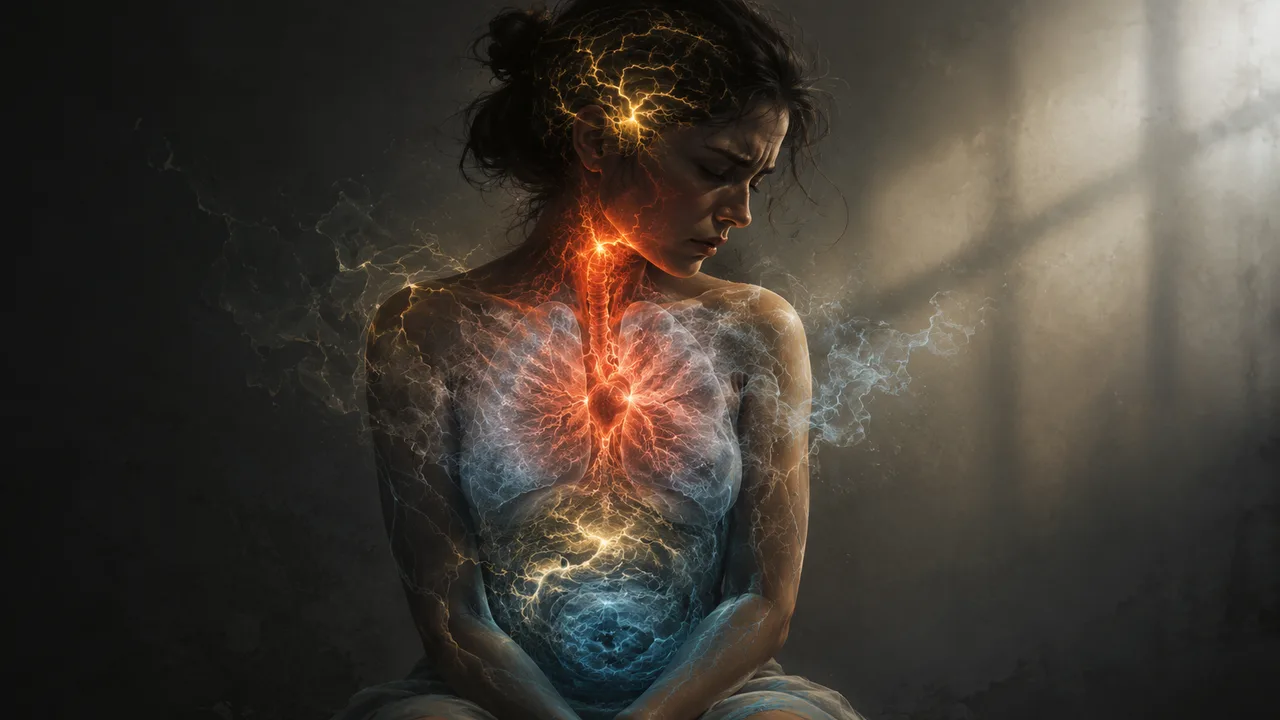
Can bottling up anger cause liver disease? Can prolonged sadness lead to cysts forming? And can fear trigger cataracts or bronchitis?
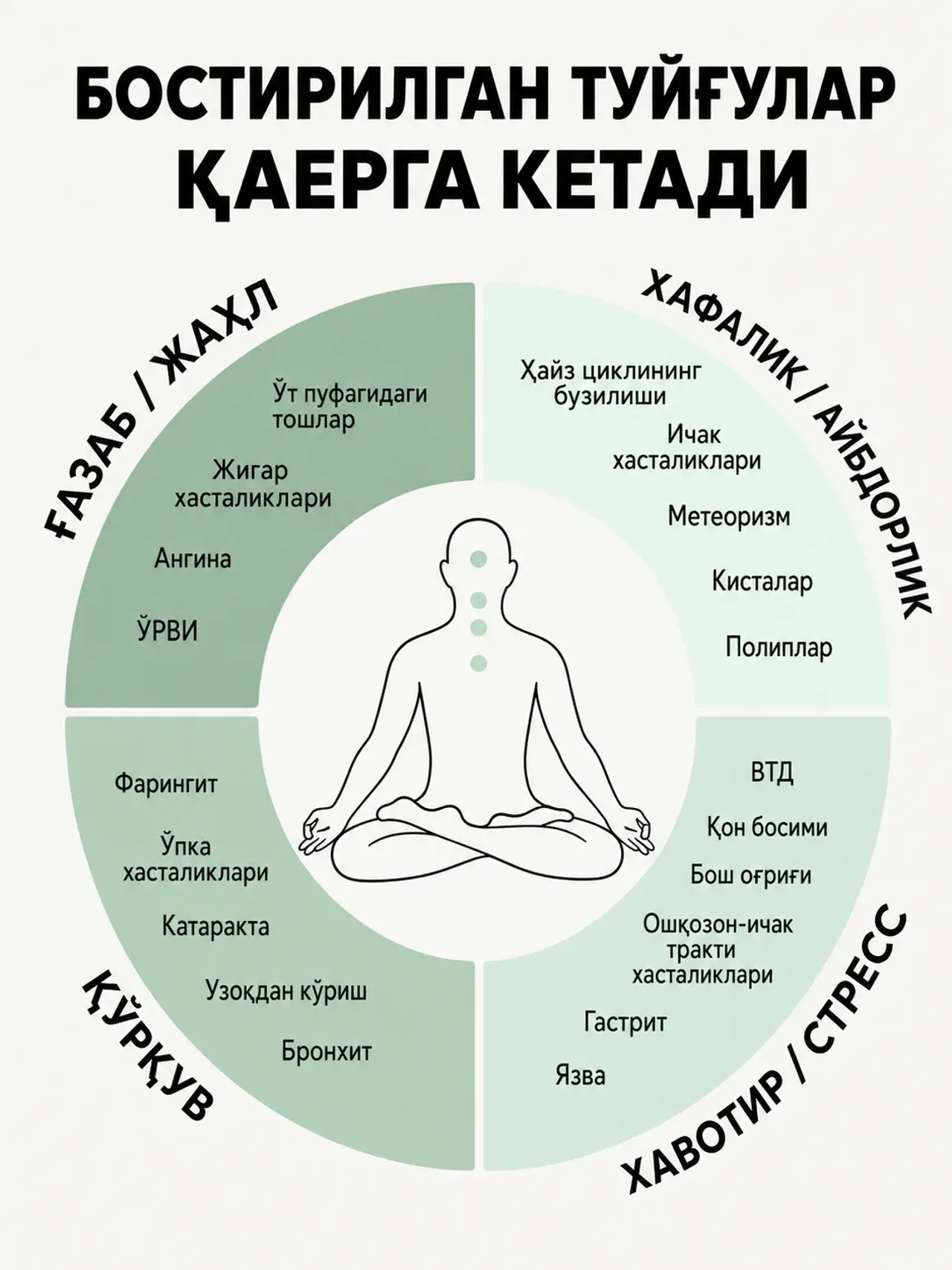
“Psychosomatic maps” linking emotions to specific organs and diseases have become very popular on social media. They claim that each emotion supposedly “accumulates” in a certain part of the body and then turns into an illness.
However, the medical picture is much more complex. Stress and intense emotions can indeed have physical effects on the body, but direct links such as “anger = liver disease” or “fear = cataracts” have not been scientifically confirmed.
Emotions do not pass through the body without a trace
The infographic’s main idea is not entirely wrong.
Stress is a real physiological response of the body. According to the US Centers for Disease Control and Prevention, prolonged stress can cause headaches, body aches, stomach problems, changes in sleep and appetite, and can worsen the symptoms of existing chronic diseases.
So, saying that “it is all in your head” is also incorrect.
When a person is highly anxious, their heart may beat faster, their stomach may hurt, or they may develop a headache — these symptoms are real. The important thing is to understand their cause correctly.
Anger: Can it cause gallstones or liver disease?
The infographic links anger and irritability to gallstones, liver disease, angina, and acute respiratory viral infections.
However, modern medicine does not show such a direct connection.
Gallstones are associated with increased levels of cholesterol or bilirubin in bile, inadequate emptying of the gallbladder, and other biological factors. Obesity and very rapid weight loss may also increase the risk. Anger is not a recognized cause of gallstones.
Liver diseases also have various causes, including viral hepatitis, excessive alcohol consumption, metabolic diseases, certain medications, and autoimmune and genetic factors.
Acute respiratory viral infections, as their name indicates, are caused by viruses. CDC notes that more than 200 respiratory viruses can cause the common cold.
Therefore, the conclusion that “if you bottle up your anger, you will catch a virus” is not medically correct.
Sadness and guilt: Can they affect the menstrual cycle?
The situation here is more interesting.
There is no reliable evidence that “sadness causes cysts or polyps.” However, prolonged severe stress can affect the menstrual cycle.
The official US women’s health resource notes that high levels of chronic stress can lead to irregular periods, while severe stress may affect ovulation and the processes that regulate the menstrual cycle.
This does not mean that “sadness accumulates in the uterus.”
The hormonal system responds to stress, and the cycle may change as a result. However, polycystic ovary syndrome, weight changes, thyroid problems, diabetes, and other medical causes may also be behind persistent menstrual irregularities.
For this reason, it is not right to explain a symptom solely through emotions and delay an examination.
Anxiety and stress: Does the stomach really “respond”?
Yes — and this is one of the areas where psychology and medicine are most closely connected.
The brain and the intestinal system are in constant communication. NIDDK notes that the brain–gut interaction plays an important role in conditions such as functional dyspepsia and irritable bowel syndrome. Anxiety and depression may be associated with digestive symptoms in some people.
Stress can worsen symptoms such as abdominal pain, bloating, and diarrhea.
However, there is a very important distinction here.
The infographic identifies stress as a cause of “gastritis” and “yazva” — peptic ulcer disease. The most common causes of peptic ulcers are the Helicobacter pylori bacterium and nonsteroidal anti-inflammatory drugs such as ibuprofen, aspirin, and naproxen.
Medicine also recognizes a condition called “stress gastritis,” but it usually occurs not because of ordinary everyday anxiety, but in cases of very serious physiological stress, such as severe injury, major burns, sepsis, or critical illness.
Does stress raise blood pressure?
In the short term — it can.
During stress, the body enters a “fight or flight” response: the heart beats faster, blood vessels constrict, and blood pressure may temporarily rise. The relationship between chronic stress and persistent hypertension is complex and is still being studied.
In other words, it is dangerous to tell a person with high blood pressure that “it is just stress” and have them stop taking medication or abandon medical examinations.
Can fear cause bronchitis or lung disease?
The infographic links fear to bronchitis, pharyngitis, and lung diseases.
The most common cause of acute bronchitis is viruses. Pharyngitis can also be caused by various infections; for example, group A streptococcus is one known cause of bacterial pharyngitis.
Fear can affect breathing rate, the sensation of tightness in the chest, or hyperventilation. However, it cannot replace a virus or bacterium and cause an infection.
Can fear also make the eyes sick?
The infographic also links hyperopia and cataracts to fear. There is no medical basis supporting this claim.
Hyperopia is a refractive condition associated with an eyeball that is too short from front to back or with the shape of the cornea and lens. Many people are born with it.
The most common cause of cataracts is natural changes in the lens of the eye that occur with age. Diabetes, eye injuries, steroid medications, smoking, and ultraviolet radiation may also affect the risk.
Fear is not on this list.
So, is psychosomatics a lie?
No. But reducing it to a chart stating that “every emotion has its own organ” is incorrect.
The human mind and body are not two separate systems. Chronic stress can affect sleep, appetite, the perception of pain, intestinal function, headaches, the menstrual cycle, and the course of certain existing diseases.
However, this does not mean that there is a fixed map saying:
“anger — in the liver,”
“sadness — in the intestines,”
“fear — in the eyes”
The most dangerous mistake is attributing a real illness solely to emotions
If a person has persistent abdominal pain, they cannot simply assume, “It is because of my sadness.”
If the menstrual cycle becomes regularly disrupted, the cause should be investigated. If vision deteriorates, an ophthalmologist is needed. If blood pressure is high, it should be measured and controlled. If breathing becomes difficult or a cough persists, medical evaluation is important.
Improving one’s emotional state is also part of maintaining health. However, it does not replace medical diagnosis and treatment.
The right approach is not to deny either side: examine the body’s symptoms while also paying attention to stress, anxiety, and accumulated emotions.
Because listening to your emotions is important. But the signals sent by the body must not be dismissed as “just stress.”
Leave your opinion in the comments and share the article with your acquaintances via Telegram or other social networks.



Comments 0
…