


The shadow of war in the Middle East has started a new price shock in the oil market
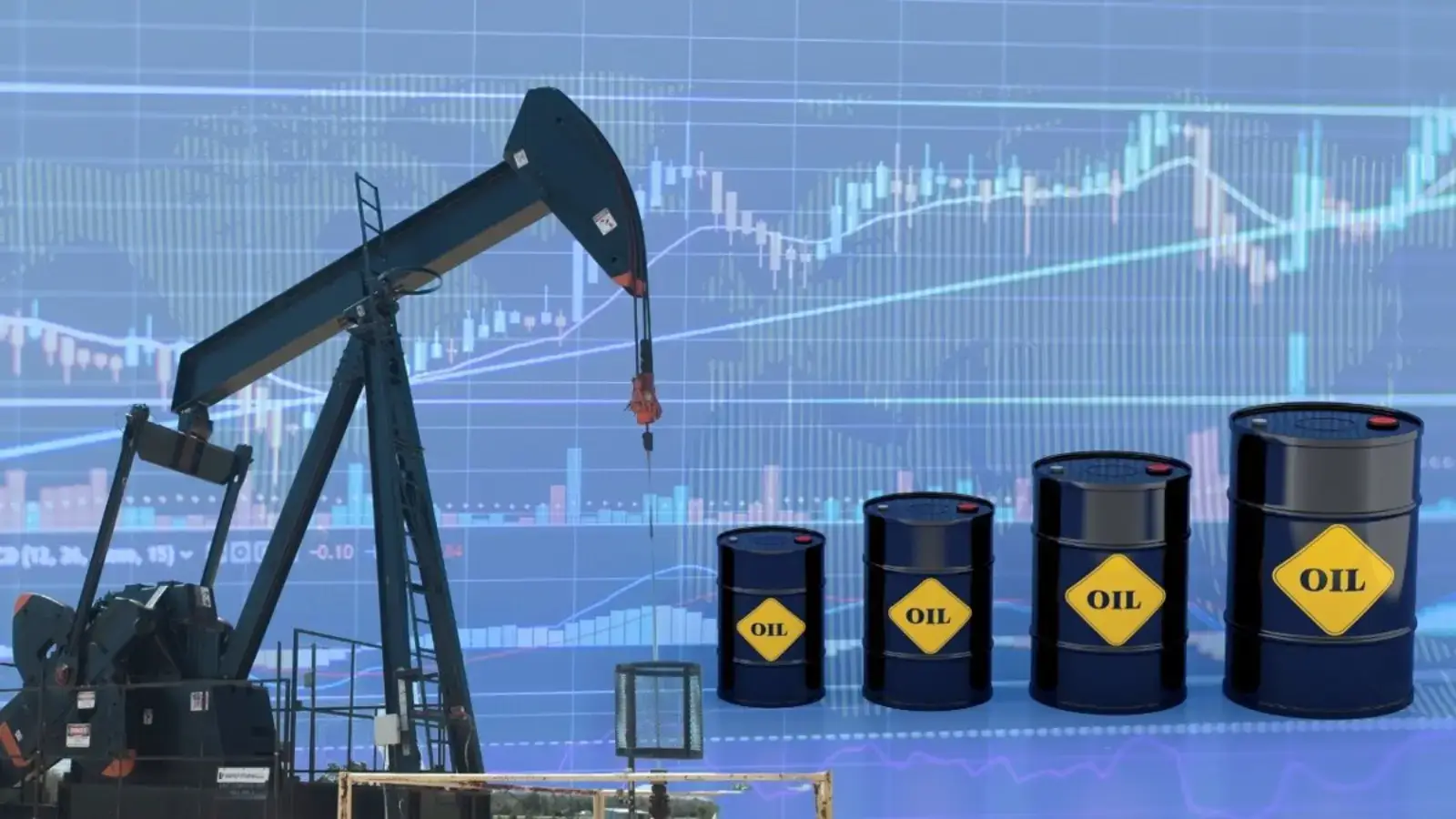
With the escalation of tension in the Middle East, the oil market again experienced serious fluctuations. At the opening of trading, the price of Brent crude oil jumped sharply, exceeding $80 per barrel. At times it exceeded $82, then slightly decreased to around $79. This indicates a further increase in market anxiety, fears of supply disruptions, and investor caution. According to Reuters, Brent simultaneously rose to $82.37.
Most analysts don't assess this growth as just one day's excitement. Citigroup experts say Brent prices could remain at least between $80-90 in the coming week. That is, the market has now entered a phase where it is governed not by simple economic signals, but by geopolitical risks. If the situation in the region does not soften, it is not surprising that prices will rise to even higher points.
Another factor exacerbating market sentiment is the risks associated with transport routes and tanker traffic in the Persian Gulf. According to Reuters and other sources, traffic around the Strait of Hormuz has seriously deteriorated, logistics has slowed down, and some companies are reviewing cargo transportation. For this reason, analysts like Wood Mackenzie and other market participants are warning that if navigation isn't restored quickly, oil could exceed $100. Reuters reports also suggested that a prolonged outage could push Brent above $100.
Some banks and investment houses are revising their forecasts upwards. Morgan Stanley raised previously relatively low prices, emphasizing that the geopolitical "risk premium" in oil prices will remain in the near future. This means that the market is now paying an additional price not only for real supply, but also for the threat of war. In short, there is a situation where both the buyer and the investor are now turning every message into a barrel price.
This shift in oil was not limited to the energy market alone. Safe assets, such as gold, first rose sharply, then partially declined. Global stock markets declined at the beginning of trading, then tried to compensate for some of the losses. That is, a classic picture is observed in the capital market: risk increases - money seeks safe shelter, and exchanges are under pressure.
The financial field in the Persian Gulf was not spared from this. The regulator of the United Arab Emirates announced the closure of the main stock markets of Abu Dhabi and Dubai on March 2 and 3. The official statement said that the situation is constantly being monitored and additional measures will be taken if necessary. This decision clearly demonstrates the seriousness of the concern in the region.
The conclusion is simple, but firm: the war is not only raising oil prices, but is also changing the entire market psychology. Now all eyes are fixed on one point - how long will the conflict last and how quickly will the movement in the Strait of Hormuz be restored? If the situation doesn't ease, we may see a new wave of pressure in oil, gas, inflation, and even in the prices of everyday goods. The market is now on the nerves, and oil has become the most sensitive mirror of these nerves.



Comments 0
…