


Putin freed Hungarian prisoners and gifted them to Budapest
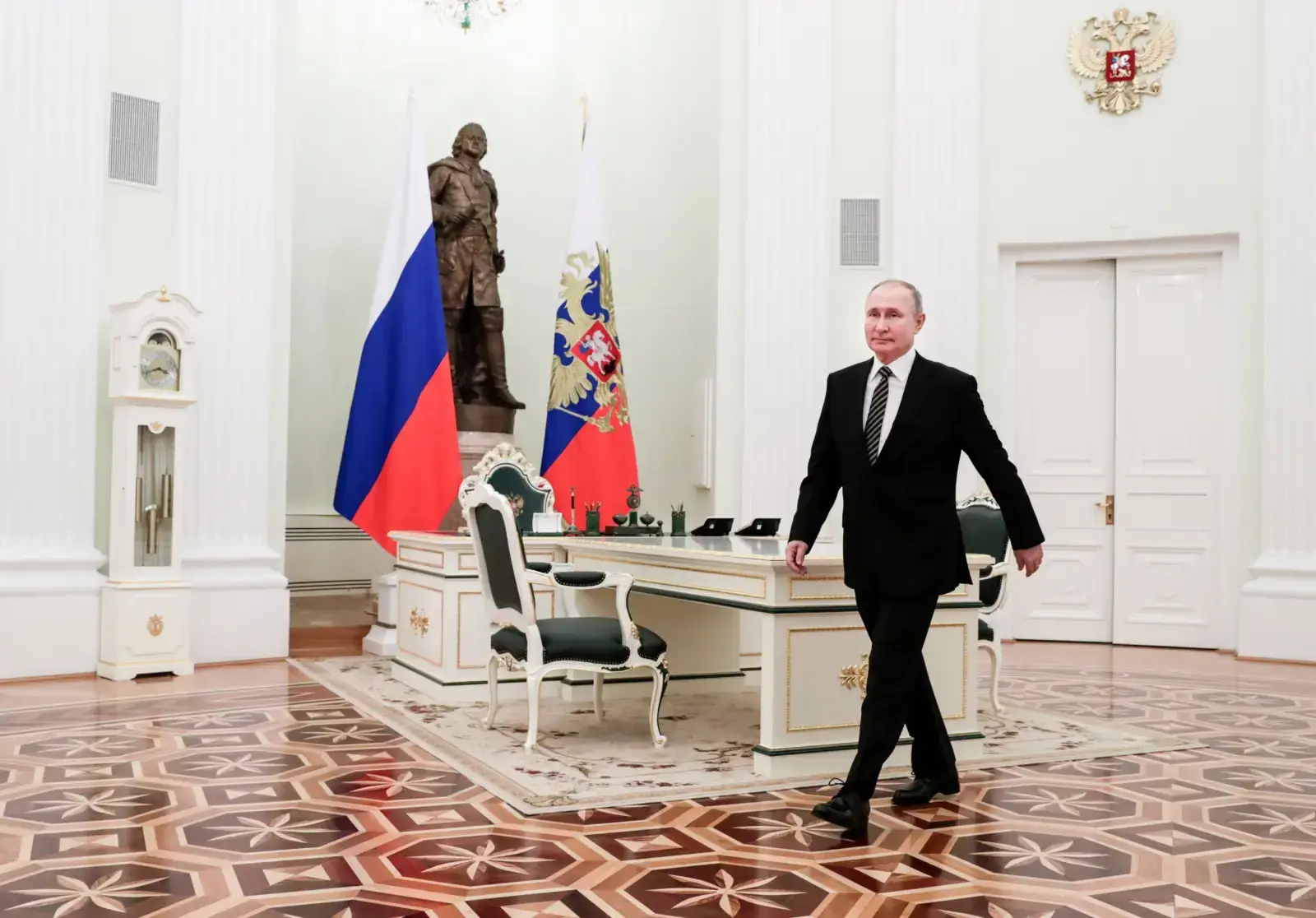
Although the high-level meeting in Moscow remained in the shadow of events in the Middle East, it marked an important turning point for European politics. Human destiny and energy security were the main topics of talks between Russian President Vladimir Putin and Hungarian Foreign Minister Péter Szijjártó. Zamin.uz studied the details of this complex political game.
Negotiations in the Kremlin on Wednesday began with an unexpected humanitarian step. Vladimir Putin handed over two prisoners of war to the Hungarian side, both of whom are Hungarian by nationality but also have Ukrainian citizenship. The Russian leader emphasized that these individuals were forcibly mobilized to the front by Ukraine.
In response to Siyarto's request, Putin replied briefly and concisely: "Please, you can take them." Now the former prisoners would fly directly to Budapest on the minister's personal plane.
Orban and Putin: "separate" ties in the European Union
The day before this incident, Hungarian Prime Minister Viktor Orban contacted Putin by phone and raised this very issue. Putin highly appreciated Hungary's "independent and balanced" position on the war issue and praised Budapest as a supporter of a peaceful resolution to the conflict.
Viktor Orban remains the Kremlin's closest and most reliable partner in Europe. It openly opposes Western sanctions and continues to purchase energy resources from Russia. According to experts, Budapest is indirectly contributing to Russia's military budget in this way.
Problems with oil, gas, and the "Dustlik" pipeline
During the meeting, Peter Szijjarto requested strict guarantees from Russia regarding energy supply. Putin stated that Russia will remain committed to its obligations, but reminded that transit issues do not depend solely on Moscow.
Critical points of the situation:
- Stopped oil: Oil supplies to Hungary were halted due to damage to the Druzhba pipeline, which passes through Ukraine.
- Hungary's response: In response, official Budapest blocked the EU's €90 billion loan to Ukraine.
- Zelenskyy's position: The Ukrainian president emphasizes that there is no place for Russian oil in the European market and that it is necessary to stop financing Moscow's "military machine."
As can be seen, the release of prisoners is not just a humanitarian act, but a part of a great political trade. Economic and political tensions between Hungary and Ukraine are reaching a new level.
In your opinion, will the return of prisoners soften Hungary's position towards Ukraine, or will the conflict over oil and loans deepen?
Follow the most sensational deals in world politics with zamin.uz.



Comments 0
…