



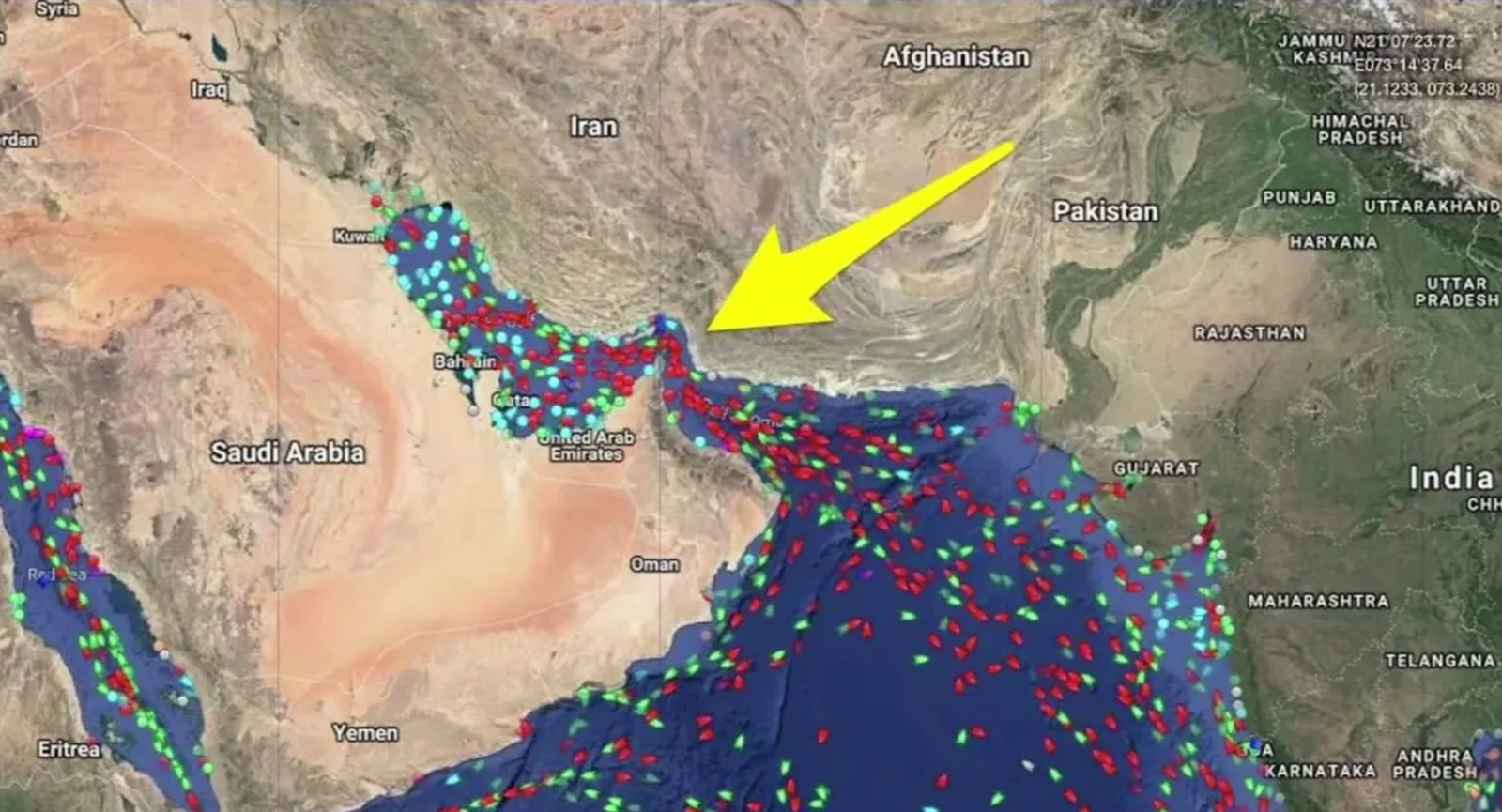
The geopolitical situation in the Middle East is once again drawing global attention to the Strait of Hormuz. This region is no longer seen merely as a geographical point, but as one of the most critical links in the global economy and international security system. Recent events indicate that conflicts around this strategic corridor are intensifying across military, economic, and diplomatic arenas.
A vital point for global energy
Approximately one-fifth of the world's oil is transported through the Strait of Hormuz. Consequently, it is among the most sensitive points of global energy security. Any instability here immediately affects oil prices and causes shocks in global markets.
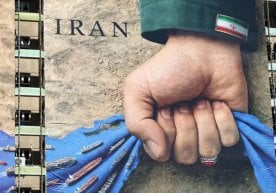
Against the backdrop of recent tensions, it is reported that Iran has used the closure of this corridor as a means of political and strategic pressure. This decision is viewed not only as an economic move but also as a strong political signal.
Truce — real peace or a temporary pause?
On April 8, a two-week ceasefire agreement was announced between the US and Iran. The initiative was proposed by US President Donald Trump, who demanded the opening of the Strait of Hormuz in exchange for a temporary easing of pressure on Iran.
While Washington viewed this process as a diplomatic opportunity, Tehran presented it as its own political victory. However, experts had previously expressed doubts about the stability of this truce.
Contradictions are also evident in official statements: while the US side claims the strait is open, other international sources state that it is operating under a restricted regime. There are even reports that ship movements are carried out only on a permit basis and that additional payment mechanisms are being applied in some cases.
Tensions after the truce
Shortly after the agreement, new explosions were observed in the region. Drone and missile attacks were recorded in the territories of the UAE, Kuwait, and Bahrain. Infrastructure was damaged, and civilians were affected. Although Iran described these actions as retaliatory measures, the international community viewed them as a violation of the truce.
New tensions in the Lebanese direction
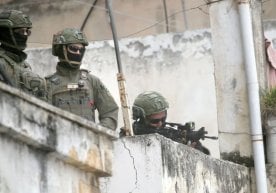
Israeli military actions in Lebanese territory are further aggravating the situation. Although the Israeli army expressed limited support for the truce, ongoing operations in the Lebanese direction increase the likelihood of the regional conflict expanding.
Economic front: pressure via cryptocurrency
A new financial mechanism introduced by Iran — a system for paying transit fees through the Strait of Hormuz in cryptocurrency — is being viewed as an unusual step in the international financial system. This is aimed at mitigating the impact of sanctions and bypassing external pressure.
A new player in the diplomatic field
Pakistan has entered the negotiations as a mediator. Previously, this role was performed by Oman, but it withdrew from the process due to a crisis of trust.
The main current conflict is a difference in approaches: Iran proposes a full agreement first, while the US proposes a truce first.
Lack of trust — the primary problem
All analyses show that the biggest obstacle is a crisis of trust. The parties blame each other, official statements are contradictory, and events change rapidly. Consequently, any agreement remains temporary in nature.
Conclusion
The situation around the Strait of Hormuz leads to this conclusion: it is a global geopolitical conflict that has not yet been fully resolved. The current truce is merely a temporary pause. Unless a fundamental agreement is reached, tensions in the region may expand further.
Unfortunately, the path to achieving stable peace in the Middle East remains long and complex.
Read “Zamin” on Telegram!