
The Best Electric Car: The Model You're Missing
If you miss the old days when BMW model numbers indicated engine displacement, we have bad news: automotive planners are developing new, complex naming systems to prevent EVs from sounding like printer models. These systems must simultaneously explain battery and motor differences to customers while encouraging them to upgrade to more expensive models. According to Autocar.co.uk, reports .
It is becoming increasingly difficult to make high-performance EVs appealing. For instance, choosing between a standard Audi A5 with a four-cylinder engine and an S5 with a V6 was straightforward. But if the base Audi Q6 EV is already quiet and incredibly fast, why pay extra for the SQ6, which feels nearly identical but offers less range? Manufacturers are solving this by slightly detuning lower-tier models.
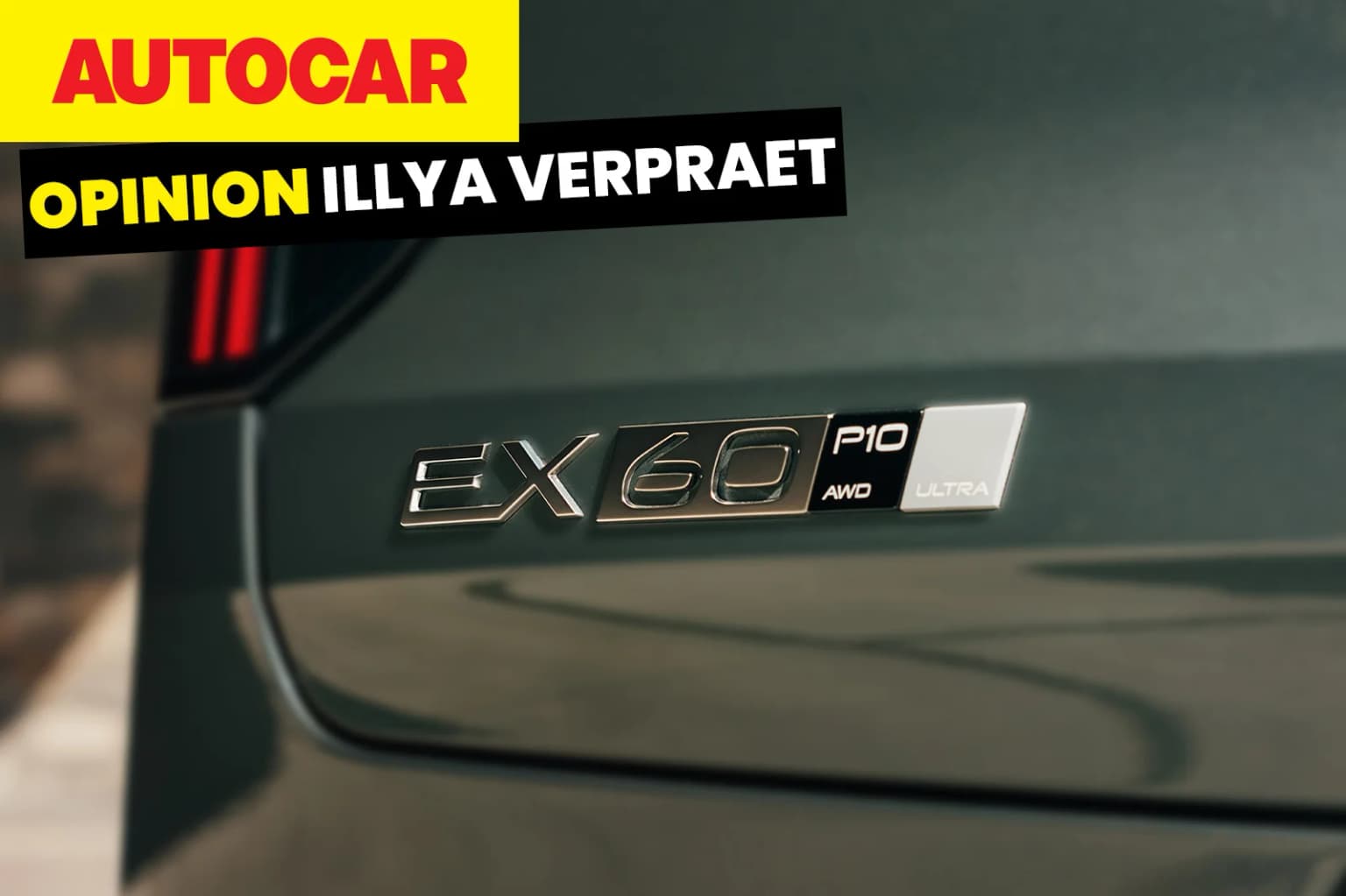
Looking at the new Volvo EX60 lineup reveals a strange situation: there are P6, P10, and P12 models, but no P8. Volvo has installed different battery sizes across the range. The single-motor P6 is more efficient but has a smaller battery. Consequently, each higher trim offers both more power and greater range. BMW adopted a similar approach with the new iX3, equipping the single-motor 40 variant with a smaller battery than the dual-motor 50 version.
In reality, many buyers actually need that non-existent 'P8' option—a large-battery, single-motor model capable of around 450 miles (724 km). However, manufacturers prefer not to offer such optimal configurations to push customers toward pricier, more powerful versions, forcing consumers to pay for excess performance they don't need.
With 500-mile WLTP ranges and 400 kW fast-charging stations becoming common, drivers might be willing to accept slightly less range. If you drive 50 miles a day, long-range EVs like the BMW iX3 won't need charging all week. Therefore, the most expensive model isn't always the smartest choice.










Comments 0
…