


Adolescent sleep sharply decreased: dangerous consequences increased
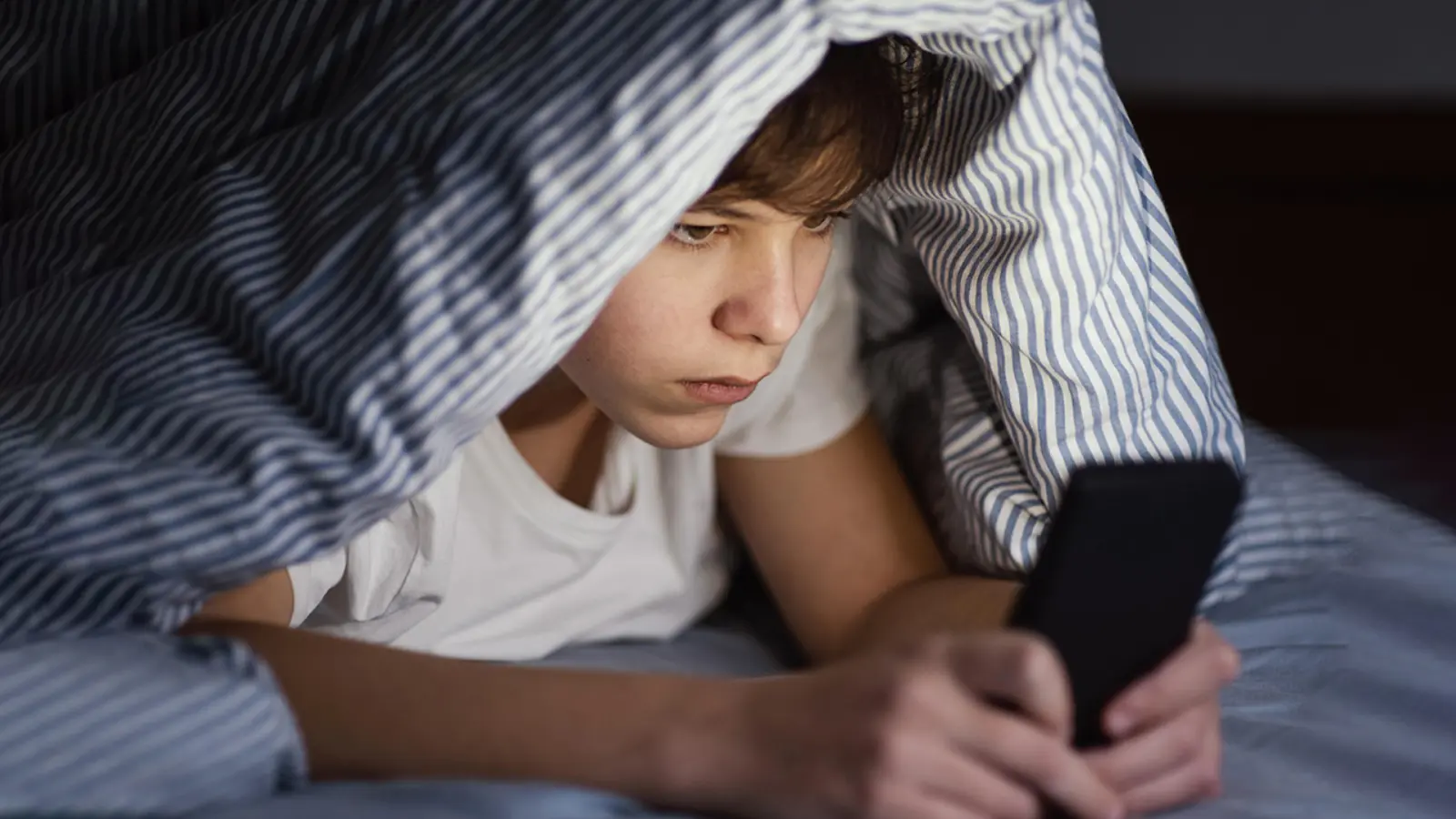
Today's teenagers sleep much less than their peers 15 years ago, and sleep deprivation is no longer an isolated case - it's becoming a mass problem. Scientists at the University of Connecticut School of Medicine in the USA came to this conclusion.
The researchers analyzed data from the US Centers for Disease Control and Prevention (CDC) 's regular national adolescent behavior survey. This survey is one of the largest observations about the lifestyle, habits, and daily routine of schoolchildren. The analysis included data from 2007 to 2023.
The result is alarming: more than half of the adolescents reported sleeping less than five hours a day. Scientists noted this as the highest indicator during the observation period. That is, the problem was not gradual, but significantly exacerbated.
Experts note that less than five hours of sleep is too little for a growing organism. Constant lack of sleep causes a "quiet blow" to both mental state and daily activities: increased symptoms of anxiety, depression, difficulty concentrating, and decreased school performance may stem from this. In addition, it is said that lack of sleep can increase the risk of obesity and diabetes.
The trend is more clearly shown by the numbers:
In 2007, more than 30% of schoolchildren slept eight hours or more. By 2023, this figure had fallen to less than a quarter. Thus, the "normal sleep" group is decreasing, while the "poor sleep" group is expanding.
The most interesting thing is that getting less sleep isn't limited to just the simple reason "too many screens." The study noted that sleep shortening is observed in almost all adolescent groups, regardless of whether they have depressive thoughts or spend a lot of time in front of the screen. That is, this issue may also be related to general lifestyle, rhythm, and pressures.
The conclusion is simple: sleep is not a "time loss," but one of the most important resources for a teenager. If this resource is constantly decreasing, the consequences will still be felt in mood, health, and studies.



Comments 0
…