


The likelihood of price increases after the war is strengthening
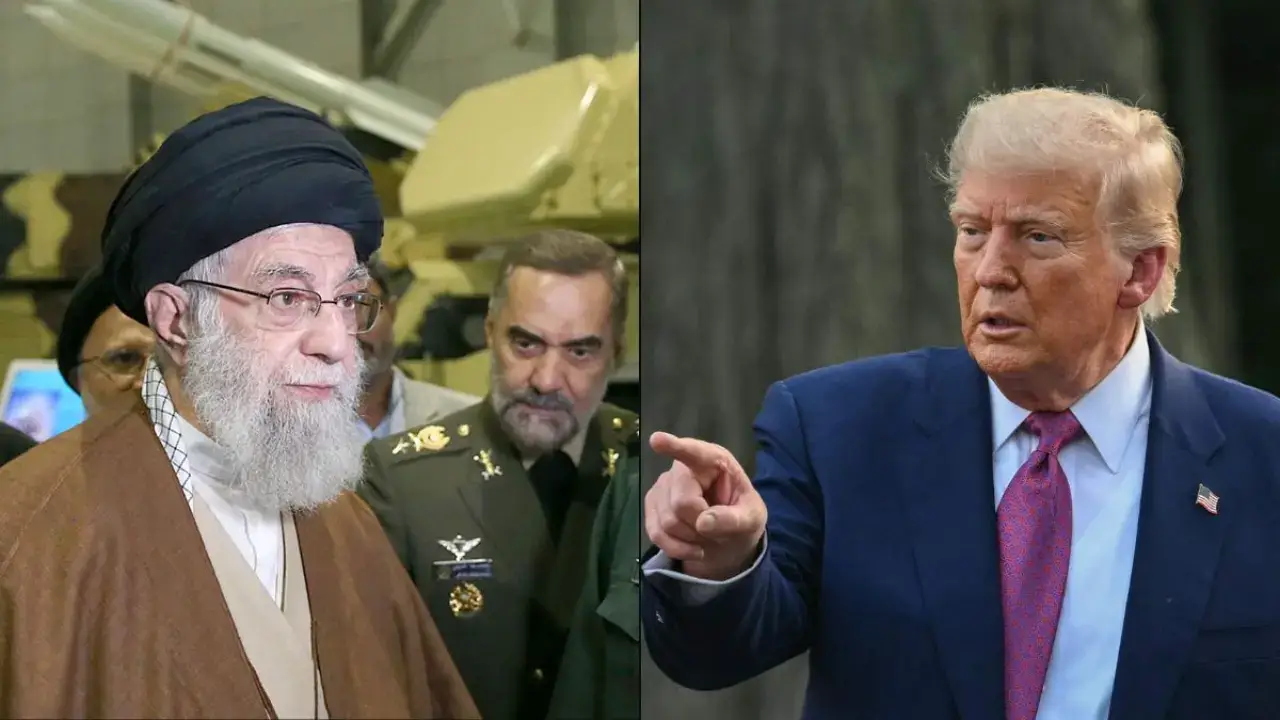
The world has entered a phase of global instability. The strikes carried out by Israel and the United States against Iran, as well as armed clashes between Afghanistan and Pakistan, are shaping a dangerous geopolitical landscape around Central Asia. It is important that one center of the conflict — Iran — is thousands of kilometers away from us, while the second hotspot — Afghanistan — is located directly near our southern borders. Therefore, the consequences of these wars for Uzbekistan have not theoretical but practical significance.
-
Economic pressure: expensive oil and inflation risks
The confrontation between Israel and Iran primarily affects the global energy market. Iran and the Persian Gulf region occupy an important place in global oil supply. Any escalation there leads to rising prices in the world market and may trigger a chain reaction for Uzbekistan’s economy.
The increase in oil and gas prices causes higher prices for imported fuel and lubricants. This affects the following sectors:
-Agriculture: if diesel prices rise, sowing and harvesting costs increase, resulting in higher food prices.
-Industry: enterprises using energy resources add production costs to product prices.
-Logistics: rising transportation costs lead to an overall increase in market prices. As a result, the impact of external conflicts is reflected in the daily expenses of ordinary citizens.
In conditions of global instability, investors may turn to safe assets, particularly the US dollar. This increases pressure on national currencies. Depreciation of the soum leads to higher prices for imported goods — medicines, equipment, and machinery — and may further accelerate inflation.
-
Transport and transit prospects under threat
In recent years, Uzbekistan has actively promoted a strategy of accessing the ocean through southern ports. However, the current geopolitical situation complicates these plans.
Chabahar Port and the Trans-Afghan Railway
Iran’s Chabahar port was considered an important route for Uzbekistan’s access to the world ocean. However, the threat of military actions and security issues place the practical prospects of this project in uncertainty.
The “Termez — Mazar-i-Sharif — Kabul — Peshawar” railway was viewed as an initiative of strategic importance. However, instability in Afghanistan:
-increases financial risks,
-reduces the confidence of international investors,
-intensifies construction and security problems.
As a result, plans to access South Asian ports may slow down in practice.
-
Security and humanitarian challenges
If tensions around Iran strengthen economic risks, the conflict between Afghanistan and Pakistan directly affects regional security.
-Border security costs may increase.
-The risk of radical groups becoming active grows.
-Military actions may lead to new humanitarian problems, including refugee flows.
This may create an additional burden on the state budget and social infrastructure.
Central Asia remains between two major geopolitical hotspots: on one side — the Middle Eastern crisis affecting energy markets and global trade, on the other — instability near the southern border.
Under such conditions, Uzbekistan’s priority tasks remain:
-diversification of trade routes;
-strengthening economic stability;
-conducting a balanced and neutral foreign policy;
-strengthening security measures.


Comments 0
…