


New "tanker war": How dangerous is the situation in the Strait of Hormuz?
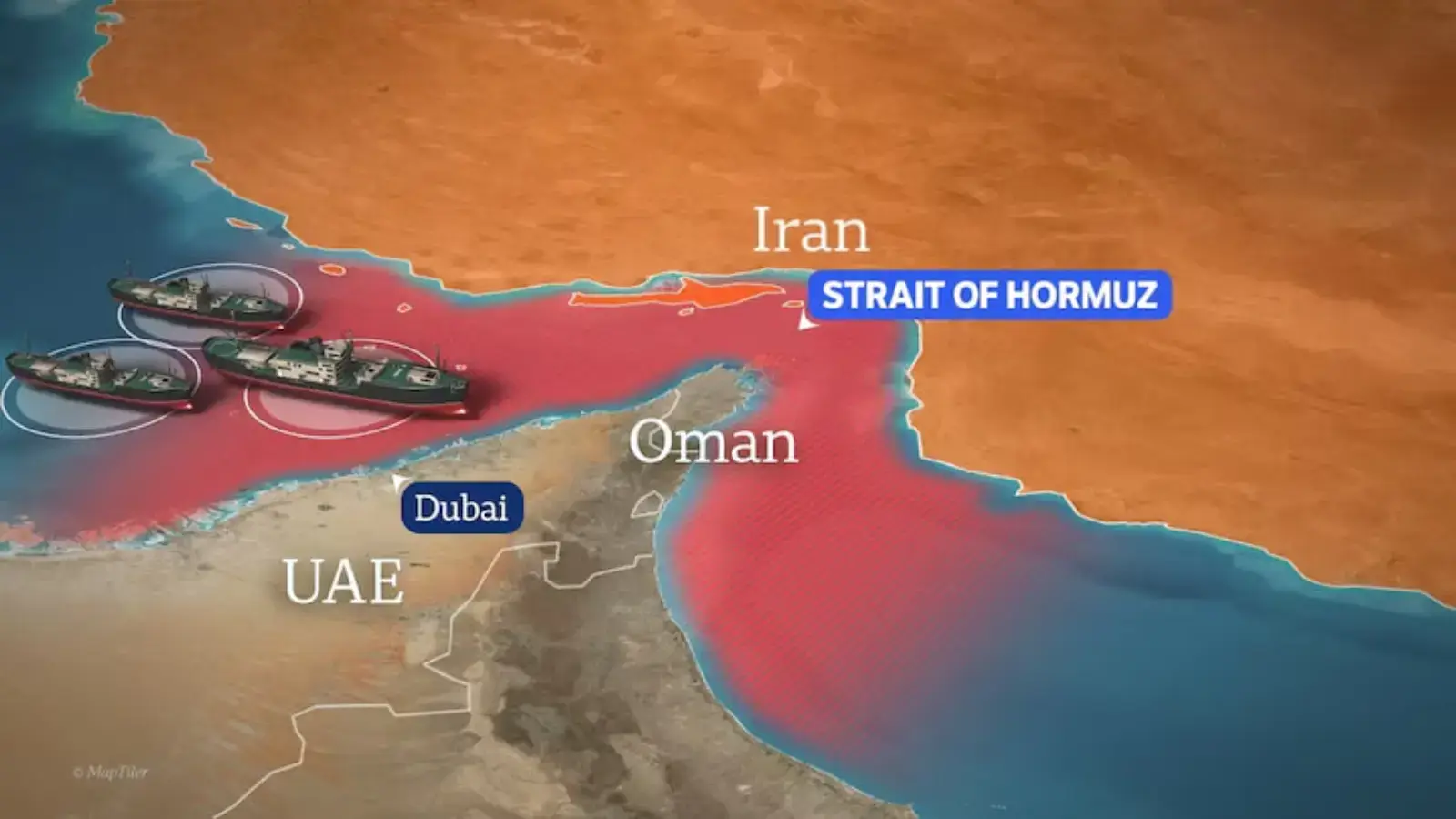
History is repeating itself, but this time it may turn out to be much more dangerous. The maritime confrontation known as the "tanker war" during the Iran-Iraq War of the 1980s has now returned to the agenda. At that time, more than 500 ships were damaged, and hundreds of sailors died. Based on the analysis of the Financial Times, Zamin.uz presents the details of the new crisis in the Strait of Hormuz.
Following the US and Israeli strikes on Iran on February 28th, Tehran began its retaliatory actions by blocking maritime routes. This is not just a local conflict, but an attempt to "strangle" the global economy.
Strategic Artery: When Numbers Speak
The Strait of Hormuz is the most important energy corridor in the world. Through it:
- 35% of world crude oil trade;
- About 20% of liquefied natural gas (LNG) is transported.
So far, at least eight tankers have been attacked, with two fatalities. This led to an almost complete cessation of sea traffic and a sharp increase in fuel prices.
U.S. convoys: Is there enough force?
The US is trying to transport merchant ships under military escort (convoy), as in the 1980s. However, experts see the problem:
- Delay: Analyst Joshua Tallis believes that the US will not be able to provide full protection in the next 10 days.
- Resource shortage: The majority of destroyers and fighter jets are engaged in strikes on Iranian territory.
- A new threat: surface drones are striking the vessels' most vulnerable spot - the engine compartment - and quickly sinking them.
For reference: since February 28, the US military has claimed to have destroyed at least 17 Iranian ships.
Iran's "hidden eyes"
Tehran's arsenal contains thousands of anti-ship missiles, small submarines purchased from Russia and North Korea, and the world's largest reserves of underwater mines. Although mines haven't been used yet, a single report about them could inflate the cost of marine insurance. (Since February 28, the rates have already increased 4-12 times).
Double-edged sword
In this conflict, Iran was caught between two fires:
- Diplomatic pressure: By attacking tankers, Tehran wants to force Washington to stop the war.
- Economic suicide: Iran sells its oil mainly to China, and this raw material also passes through this strait. If the strait closes, Iran itself will be left without income.
The principle that "if we cannot sell our oil, then no one can sell it" could accelerate the economic crisis for Iran.
The situation shows that blocking the Strait of Hormuz will not benefit anyone, but the parties seem ready to use this "energy lever" to the end to strengthen their positions.
Do you think the world community will soon be able to lift the blockade in the Strait of Hormuz, or is a long-term "energy crisis" awaiting us?



Comments 0
…