
Risk of Heavy Rainfall May Increase in Central Asia This Summer

Warming of Pacific Ocean waters near the equator and in Central Asia—what could be the link between these weather patterns? At first glance, these two regions seem very distant and unrelated. However, it is suggested that these natural processes could interact during the summer of 2026.
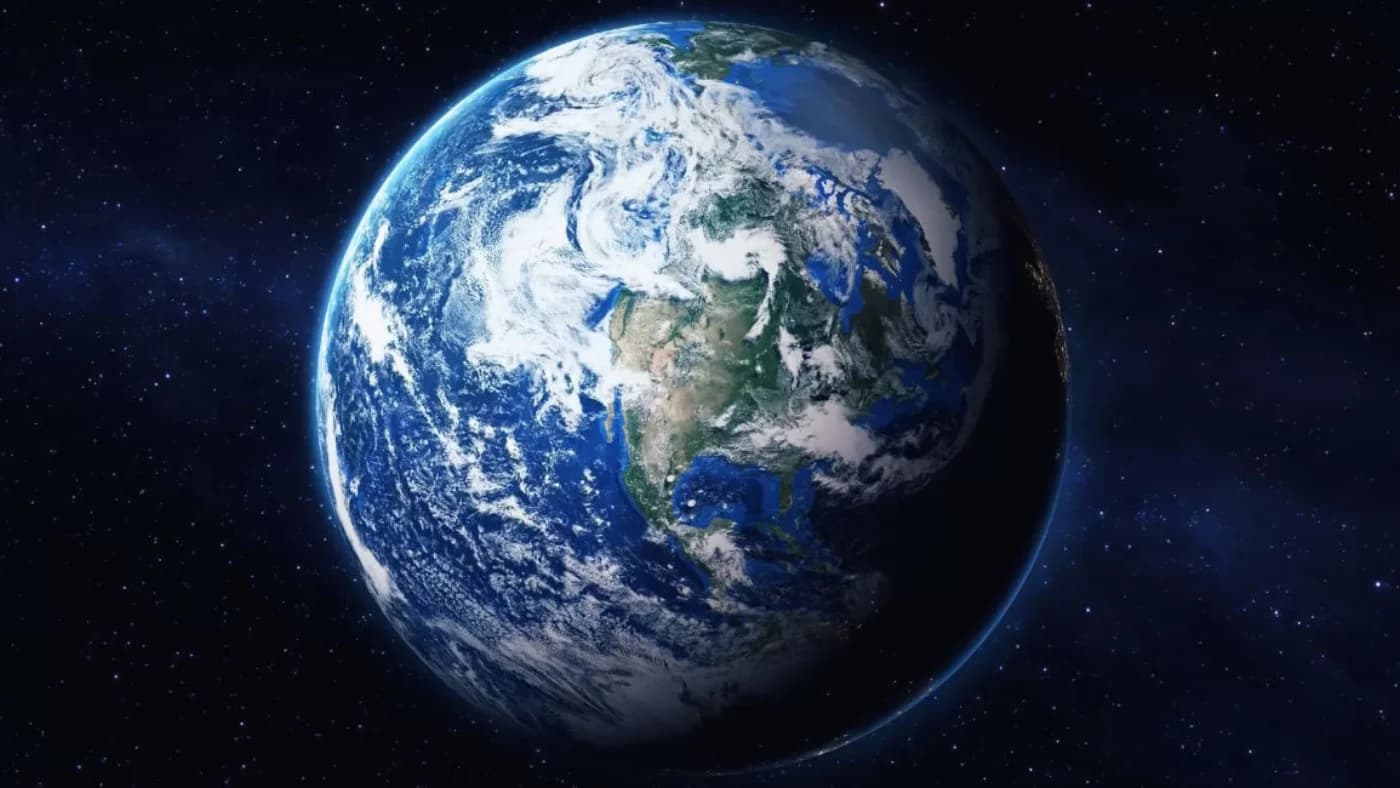
The UN World Meteorological Organization has forecast that a major climate shift—the El Niño anomaly—could activate on our planet in the coming months. According to experts, this phenomenon could affect global weather systems, drastically altering temperature, humidity, and precipitation levels in certain regions.
Due to anthropogenic factors linked to human activity, the atmosphere and hydrosphere have already warmed significantly. Therefore, natural climate phenomena like El Niño could lead to even more severe consequences. The Central Asian region may also fall under such influence this summer.
According to forecasts, Central Asia is mentioned alongside the southern United States as one of the key regions where heavy and destructive rainfall may occur. This could increase the risk of mudflows, floods, agricultural damage, and transport infrastructure issues.
How can a natural process starting across the ocean affect our region's climate balance? The key question is this: a single change in the global climate system triggers a chain reaction in other regions.















Comments 0
…