


Earth Reaches Maximum Distance from the Sun: Details of the Aphelion Event
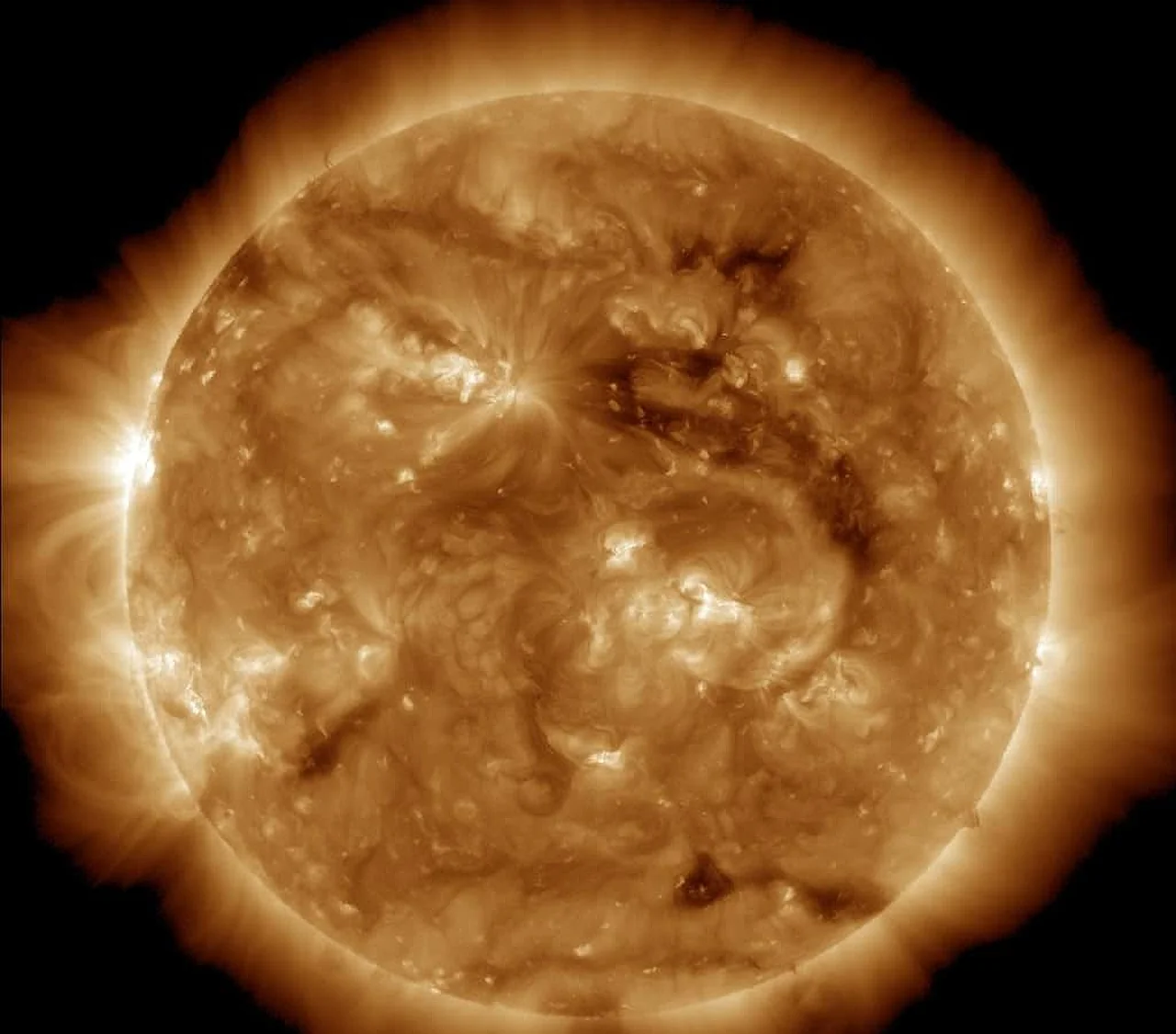
On July 6, 2026, planet Earth will pass through the point in its orbit farthest from the Sun — the aphelion. As a result of this astronomical event, the distance between our planet and the central star will exceed 152 million kilometers. This was reported by TASS, based on data from the Moscow Planetarium. Ixbt.com reports on this.
For reference, Earth is at its closest point to the Sun — the perihelion — in early January each year. At that time, the distance is approximately 147 million kilometers. The July figure is nearly 5 million kilometers greater than the January one. Such a change in distance is a natural process associated with the elliptical orbital motion in space.
Appearance and dimensions of the solar disk
Due to the increase in distance, the visible size of the Sun in the sky reaches its minimum level of the year. According to astronomers' calculations, in July, the solar disk appears approximately 3 percent smaller in diameter compared to January. However, it is nearly impossible to notice this difference with the naked eye.This difference can only be seen by comparing photographs taken with professional telescopes and special equipment. Frames taken under the same conditions in January and July confirm the change in the visual size of the Sun. Amateur astronomers in Uzbekistan can also observe this event, but safety measures must not be forgotten.
Experts remind that it is essential to use special protective filters when observing or photographing the Sun. Looking at the Sun with unprotected eyes or ordinary binoculars can lead to severe burns of the retina and total loss of vision.
Relationship between distance and air temperature
It is natural for many to wonder why air temperatures do not drop in the Northern Hemisphere, including Uzbekistan, when Earth moves away from the Sun. In reality, the change of seasons on our planet depends not on the distance to the Sun, but on the tilt angle of Earth's axis relative to the orbital plane.Specifically in July, Earth's North Pole tilts toward the Sun, which ensures that sunlight falls more vertically and days are longer. Therefore, despite the distance being at its maximum, summer prevails here. Conversely, winter is observed in the Southern Hemisphere at this time.
In conclusion, the aphelion event is proof of Earth's complex and precisely measured movement in space. Although this event does not significantly affect the climate, it is of great importance for fundamental science and space navigation.


Comments 0
…