


Two Uzbek Villages Have Been Transferred to Kyrgyzstan: What Will Be Given in Return?
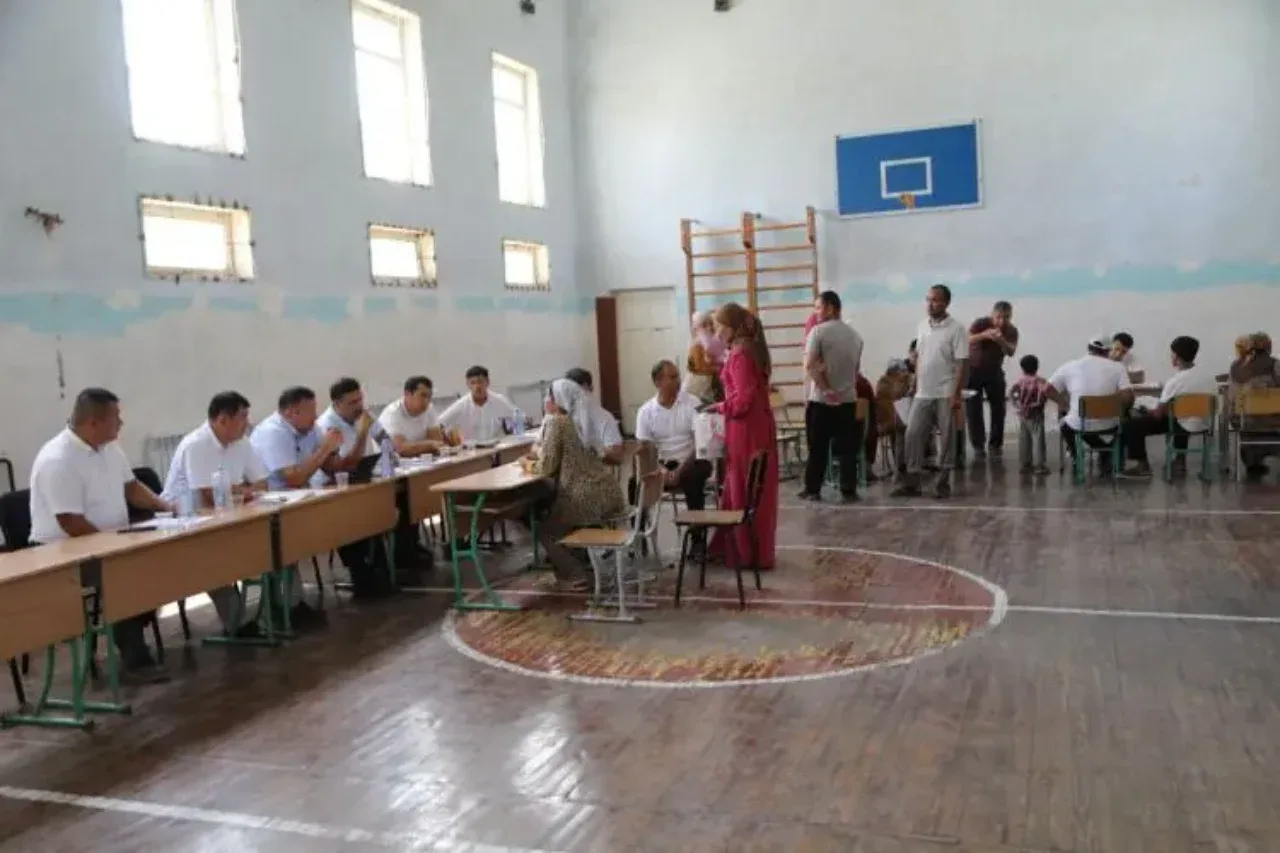
Photo: 24.kg
Cho‘ng‘ara and Toshtepa have remained geographically where they were, but the state border surrounding them has changed. After the two villages, formerly part of Uzbekistan’s Fergana Region, were transferred to Kyrgyzstan, the process of re-registering the citizenship, property and documents of thousands of residents has now begun.
A joint working group has been registering residents in the villages since August 3. This process is more complicated than merely changing a border on a map: each family’s citizenship status, housing, property and economic activities must be regulated separately.
When were the villages officially transferred to Kyrgyzstan?
On June 23, Kyrgyz President’s Press Secretary Asqat Alagozov announced that the villages of Cho‘ng‘ara and Toshtepa had become part of Kyrgyzstan as part of the demarcation of the state border.
Kyrgyz sources refer to the villages as Chongara and Tash-Tobo. Previously, they belonged to Uzbekistan’s Fergana Region. Around 2,500 people live in the two villages, the majority of whom are ethnic Kyrgyz.
In this sense, the work that began on August 3 is not another “handover” of the villages, but rather the stage of implementing the previously announced territorial change at the level of residents and documents.
Information is being collected on every household
According to the office of the Kyrgyz president’s representative in the Botken Region, the next meeting of the joint commission of the two countries was held in the Qadamjoy District on July 24.
The following issues were discussed at the meeting:
determining the citizenship status of residents;
re-registering personal documents;
preserving rights to housing and other property;
continuing economic and business activities;
issues involving citizens who wish to relocate.
The joint working group began working directly in the villages on August 3. Specialists are going from house to house, registering information about residents and explaining the subsequent formalization process.
Will residents automatically receive citizenship?
According to the initial plan, the process of granting Kyrgyz citizenship to residents will begin after the registration work is completed. The Kyrgyz president’s press secretary also stated that the villagers would obtain citizenship of the country after completing the necessary registration procedures.
In practice, however, each person’s circumstances may be considered separately. Existing family passports, marriage and birth certificates, property ownership rights, and permanent-registration issues must be brought into line with the new legal system.
The change of citizenship does not simply mean replacing passports for residents. It will also affect everyday processes such as schooling, medical services, pensions, social benefits, taxation and property registration.
Who is leading the working group?
The Kyrgyz delegation is headed by Baktibek Toksonbayev, the first deputy of the president’s authorized representative in the Botken Region. His position is also listed in this form on the official portal of the Kyrgyz civil service.
On the Uzbek side, the working group is headed by Behzod Sayfullayev, deputy head of the Department of Migration and Personalization under the Ministry of Internal Affairs.
This composition shows that the process focuses not only on border or land issues, but also primarily on the citizenship and personal documents of residents.
What territory will be given to Uzbekistan?
Under the agreement, Kyrgyzstan will provide Uzbekistan with land plots equal in area to the territory occupied by the villages of Cho‘ng‘ara and Toshtepa.
The Kyrgyz side previously stated that these lands would be exchanged on the basis of plots of equal value along the border between the two countries. So far, public reports have not provided details on the exact location or total area of the land to be given to Uzbekistan.
The important point here is that this is not about one side unilaterally handing over territory, but about exchanging plots of equal area under an agreement between the two countries.
The most important questions for ordinary residents are still ahead
The border issue between states can be resolved through a political agreement. But its practical impact on people’s lives requires more time and caution.
The following issues will now be crucial for the residents of Cho‘ng‘ara and Toshtepa:
how long their existing documents will remain valid;
how property rights will be re-registered;
the procedure for visiting and maintaining contact with relatives in Uzbekistan;
continuity of education and medical services;
what procedure will be established for those who do not wish to accept citizenship.
The true outcome of the process will be measured not by the new line on the map, but by how well the rights and customary way of life of residents are protected. Borders may change, but people’s lives are not a “file that can be reloaded in one day.” Leave your opinion in the comments and share the article with your acquaintances on Telegram or other social networks!



Comments 0
…