


Trump Administration Refuses Visa to Mahmoud Abbas for UN General Assembly
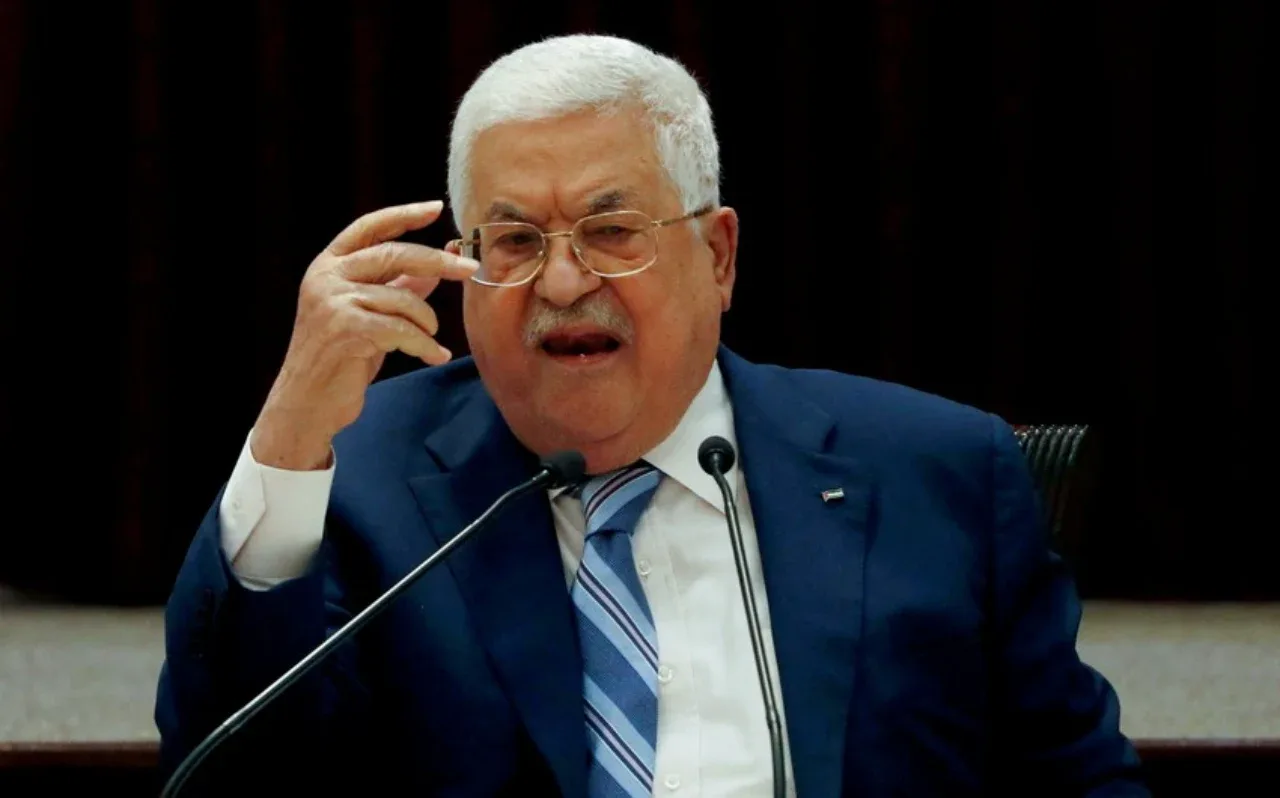
A major diplomatic scandal erupted on the international stage in New York ahead of the upcoming session of the UN General Assembly. The administration of U.S. President Donald Trump, for the second consecutive year, officially refused to grant entry visas to the U.S. for Palestinian National Authority leader Mahmoud Abbas and dozens of high-ranking Palestinian officials. According to the Associated Press (AP), the State Department explained this decision by citing the Palestinian Authority's failure to fulfill its commitments regarding peace agreements with Israel, specifically its continued pursuit of claims against Israel in the International Court of Justice (ICJ) and the International Criminal Court (ICC), as well as its ongoing payments to the families of individuals who carried out attacks against Israelis.
"The Times of Israel" noted that due to the visa restrictions, the flight of a large delegation accompanying Mahmoud Abbas to New York was canceled, and the Palestinian side was forced to introduce a special resolution allowing Abbas to address the General Assembly via online video link. Meanwhile, the international community is reminding the U.S. of its obligations as the host country to the UN headquarters, recalling that Russian diplomats previously faced a similar visa blockade.
So, how will Washington's harsh visa sanction impact the Palestinian-Israeli conflict, what will Abbas state from the UN rostrum, and is the U.S. weaponizing its host status for geopolitical purposes?
"No Reforms and Lawsuits in International Courts": Official Reasons from the State Department
The main claims made by Washington against the Palestinian leadership:
Breach of Obligations: The U.S. State Department cited the Palestinian government's failure to implement previous peace agreements and promised political reforms as the primary reason;
Lawsuits in International Courts: The Mahmoud Abbas administration's continued filing of applications against Israel at the UN International Court of Justice and the International Criminal Court (ICC) in The Hague was assessed by Washington as "undermining the prospects for peace";
Payments to Attackers' Families: The continuation of financial support from the Ramallah budget to imprisoned individuals accused of attacks against Israelis and their families was strongly condemned;
Extension of Sanctions: The State Department officially announced the strict continuation of sanctions denying visas to members of the Palestine Liberation Organization (PLO) and Palestinian Authority officials.
"Online Speech and Accredited Diplomats": How Will Palestine Participate in the UN?
Details regarding the participation of Mahmoud Abbas and the delegation in New York:
Ban on Dozens of Officials: According to "The Times of Israel", visa applications for dozens of Palestinian officials who were supposed to accompany Mahmoud Abbas to New York were rejected;
Video Address Format: The Permanent Mission of Palestine to the UN submitted a draft resolution to the General Assembly demanding that Mahmoud Abbas be granted the right to speak from the rostrum via online video link, similar to last year;
Representatives in New York: Despite the visa restrictions, Palestine will be represented at the General Assembly's live sessions by Palestinian diplomats who are already accredited at the UN and currently present in the U.S.
Host Country Responsibilities and International Objections
The collision between U.S. visa restrictions and international law norms:
Violation of the 1947 UN Agreement: According to international law norms, the U.S., as the country hosting the UN headquarters, is obligated to ensure the unobstructed arrival of all member states and official observers to events;
Situation Involving the Russian Delegation: Earlier, Russia's Permanent Representative to the UN, Vasily Nebenzya, also disclosed that the U.S. had refused to grant a visa to a Russian delegate scheduled to attend a session of the UN Information Committee, calling it "a gross violation of the headquarters agreement";
Instrument of Diplomatic Pressure: International analysts point out that Washington is using the visa lever as a tool for political pressure and to punish leaders with opposing views.
This visa ban imposed by the Donald Trump administration against the Palestinian leader sets the stage for the general debates of the UN General Assembly starting in New York to begin in an even tenser and politically confrontational atmosphere than before.
Do you think it complies with international law norms for the U.S. to withhold visas from foreign heads of state and diplomats coming to participate in UN events? Won't barring Mahmoud Abbas from New York further escalate tensions in the Middle East? Leave your analytical thoughts in the comments and share this analysis of the major diplomatic conflict surrounding the UN rostrum with all political enthusiasts and your friends!



Comments 0
…