


India strongly warns US against consequences of Russia and Iran sanctions
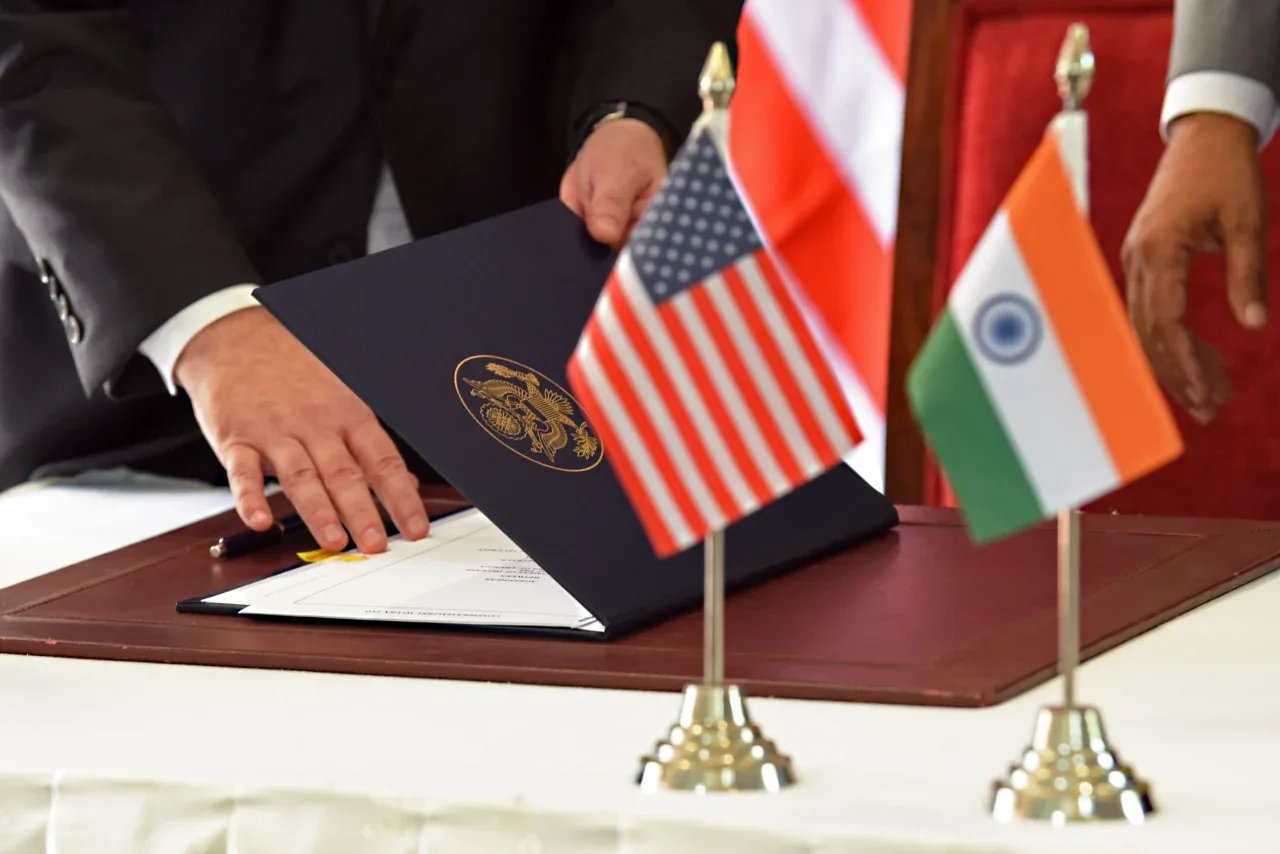
A new geopolitical clash is flaring up in the global economy and international energy market between the US and India, one of Asia's largest giants. Following the US House of Representatives' approval of a comprehensive secondary sanctions package against Russia and Iran, named after the late Senator Lindsey Graham, with 262 congressmen voting in favor (159 against), and sending the bill directly to President Donald Trump for signature, a sharp and resolute response echoed from New Delhi toward Washington. The Ministry of External Affairs of India issued an official statement openly warning American officials that these unilateral restrictions will not only undermine the strategic partnership between the two countries but also lead to catastrophic consequences for the entire global energy market.
In its statement, New Delhi emphasized its firm commitment to ensuring the energy security of its population of 1.4 billion people, and that it will not stop purchasing Russian oil, relying on source diversification and market conditions. Meanwhile, the bill envisions imposing import duties of up to 100 percent against countries and companies that continue to purchase Russian oil and gas, as well as targeting their "shadow fleet".
So, will Donald Trump veto or sign this bill, what steps will India take to preserve its economic sovereignty, and how will these sanctions affect dollar hegemony and oil prices?
"The security of 1.4 billion people is not up for discussion": Sharp statement from India's MFA
Details of the response given by New Delhi officials to the US Congress decision:
"Openly warned about the consequences": The Indian side stated that in high-level talks with Washington in recent months, it had openly explained the severe damage such punitive measures would inflict not only on bilateral ties but also on the international market;
The 1.4 billion factor: It was emphasized that the country's energy security is a supreme national priority and the freedom to diversify sources and purchase oil in the interests of the population will be preserved;
"We will take any measure": The Indian government officially stated its readiness to take all necessary and decisive steps to protect its trade and economic interests;
Coordination with business and industry: The government, together with national oil and industrial associations, is launching an emergency response plan to counteract the consequences of US sanctions.
Lindsey Graham's "sanctions weapon": 100% tariffs and "shadow fleet" targeted
Key clauses of the bill passed by the US House of Representatives:
262 to 159 votes: This massive document, adopted by a majority vote in the House of Representatives, was sent to President Donald Trump's desk to officially enter into force;
100 percent import duties: The bill grants the president unlimited authority to introduce customs fees of up to 100% against any country and company that continues to purchase oil and gas from Russia;
Blow to the "shadow fleet": The goal is to completely squeeze tankers and insurance organizations engaged in transporting Russian oil by sea out of international trade;
"Flexible loophole" for Trump: The document also grants the US president the right to temporarily suspend (freeze) sanctions if it aligns with national interests.
Geopolitical dead end: Can Washington lose India?
Analytical conclusions of experts and international economists regarding this clash:
Strategic partnership at risk: For the US, India is considered the most important partner (QUAD member) balancing China in Asia; applying 100% duties against New Delhi will deal a serious blow to this alliance;
Oil price explosion: If India is forced to stop buying Russian oil, a commodity shortage will begin in the global market, and oil prices will exceed all forecasts;
Trump's potential choice: Most analysts believe that Trump may use the national interests clause in his trade diplomacy to refrain from introducing full duties against India or choose the path of freezing them.
India's sharp objection became an important geopolitical demarche showing that in an era of global sanctions, major sovereign states now place their national interests and energy security above any external pressure.
In your opinion, will Donald Trump sign this 100% sanctions bill approved by the US Congress and escalate relations with India, or will he veto it? Does the refusal of huge economies like India to obey sanctions weaken the US monopoly in global trade? Leave your analytical thoughts in the comments and share this sensational conflict review in big geopolitics and the global oil market with all politics enthusiasts and friends!



Comments 0
…