


Which onion should be used where? The difference between 6 types (photo)
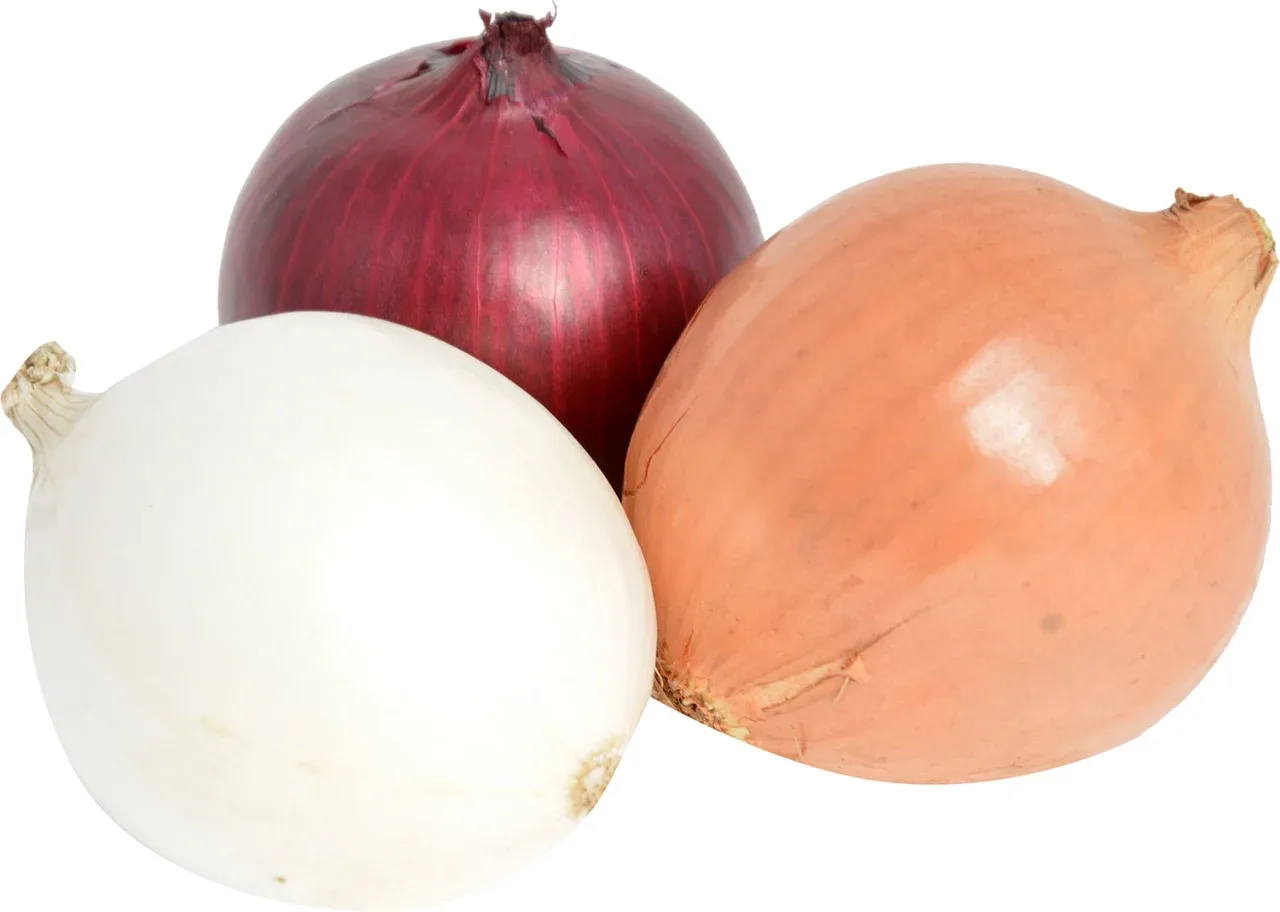
Onions are used in almost every dish, but not all types produce the same result. For example, while yellow onions become sweet when fried or stewed, red onions retain their flavor best when raw or pickled.
The right choice can significantly change the aroma, texture, and overall taste of a dish. Below, we provide information about six popular types of onions and where it is best to use them.
Yellow onion — the most universal choice
Yellow onion is the most commonly used type in the kitchen. While it has a sharp and intense flavor when raw, it gradually becomes sweet and aromatic under the influence of heat.
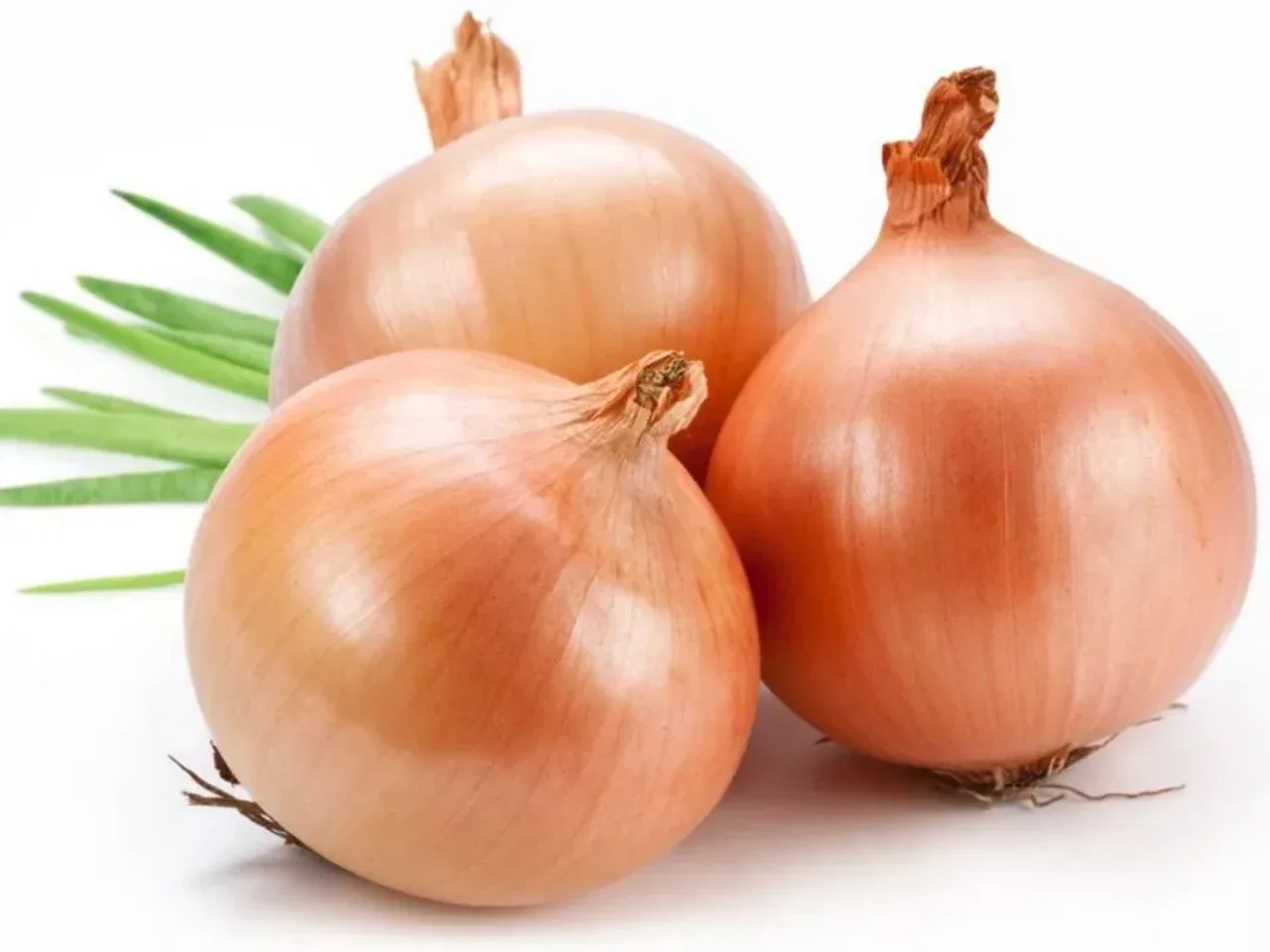
It is suitable for the following dishes:
soups and stews;
meat stir-fries;
sauces and gravies;
pies, casseroles, and minced meat dishes.
Yellow onions can be caramelized by frying them over low heat for a long time. As a result, they gain a sweet and deep flavor, making burgers, meat, and side dishes even more delicious.
White onion — for salsas and marinades
The texture of white onion is relatively soft and juicy. Its taste can be perceived as slightly sharper than that of yellow onion, but its aroma is not as heavy.
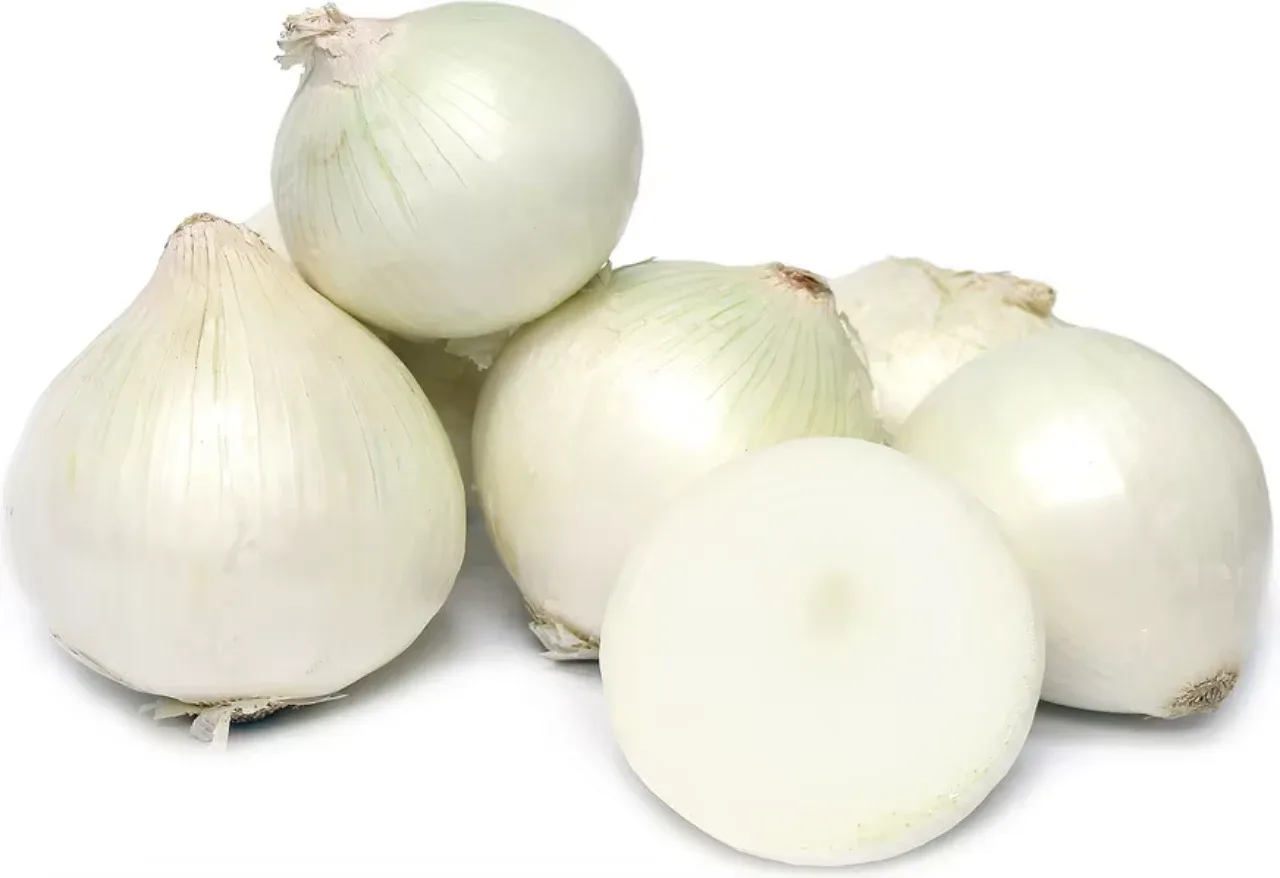
It is especially suitable for Mexican dishes:
tacos;
salsa;
guacamole;
fresh vegetable salads;
marinades and pickles.
White onion softens and breaks down quickly during cooking. Therefore, it is convenient to add to sauces and soups where a uniform, delicate texture is required.
Red onion — the best companion for salads and burgers
Red onion stands out for its appearance, sweeter taste, and mild pungency. Since it is pleasant even when raw, it is often added directly to finished dishes.
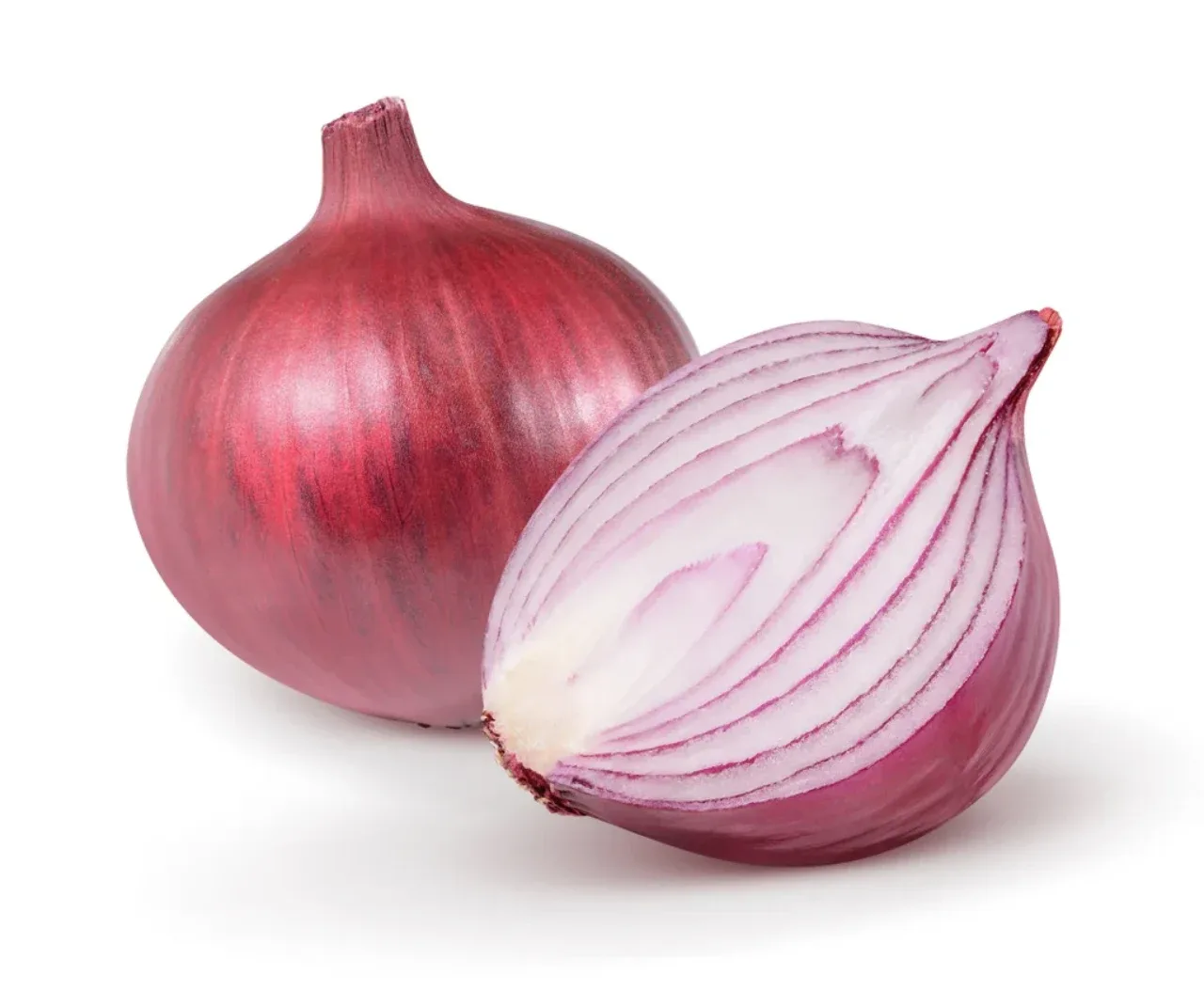
Red onion can be used in the following:
fresh salads;
burgers and sandwiches;
as a side dish for kebabs;
pickling;
garnishing dishes.
Under the influence of heat, its bright color fades and its unique flavor diminishes. For this reason, it is better to use red onion raw or lightly pickled.
To reduce its pungency, you can keep the chopped onion in cold water for a few minutes.
Green onion — adds freshness to finished dishes
The taste of green onion is light, fresh, and much milder than regular onions. It is used more as an herb.
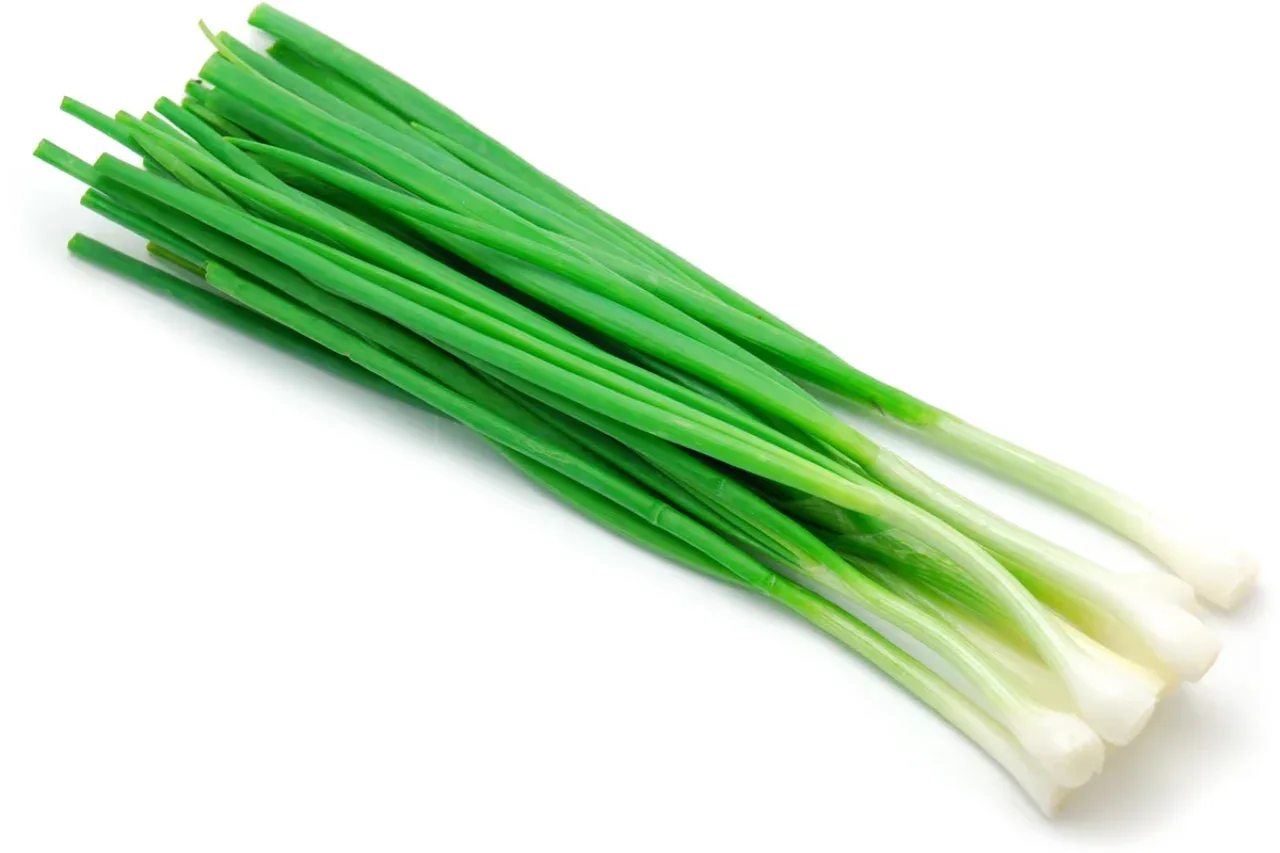
Green onion is suitable for the following dishes:
soups and noodles;
potato dishes;
salads and appetizers;
omelets;
sauces and pâtés;
Asian dishes.
To preserve its color and fresh aroma, it should be added at the end of cooking or once the dish is ready. If boiled for a long time, the taste and color of green onion may disappear.
Leek — for soups and casseroles
Leeks have a soft, sweeter taste with less pungency. Their aroma reminds one of a light combination of onion and garlic.
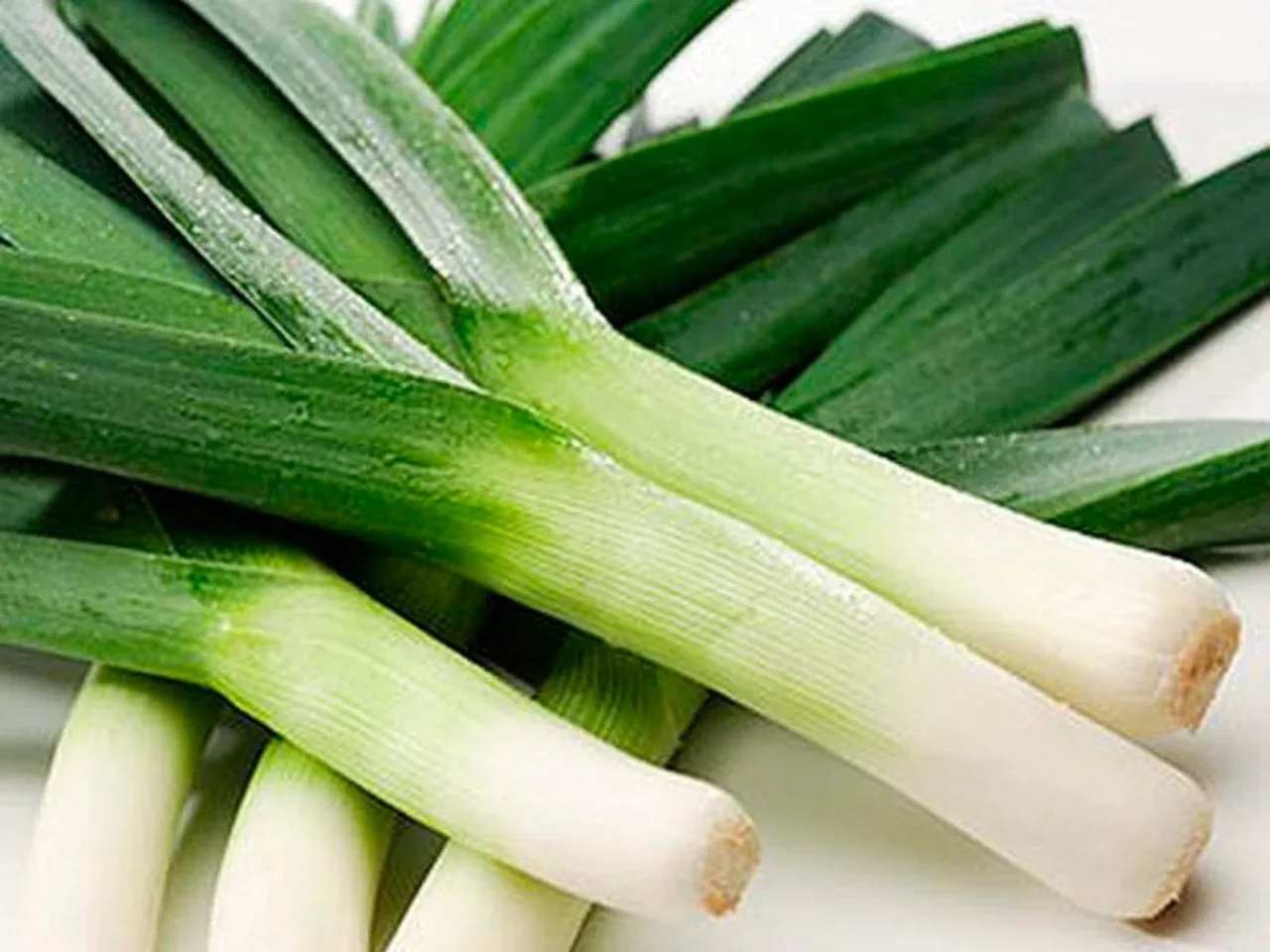
It gives good results in the following dishes:
puree soups;
stewed vegetables;
juliennes and stews;
pies and quiches;
creamy sauces;
vegetable side dishes.
Sand and soil can remain between the layers of a leek. Therefore, it is necessary to cut it lengthwise and wash each layer thoroughly under running water.
Mainly its white and light green parts are used in dishes. The dark green leaves can be used to make broth for soups.
Shallot — for delicate sauces
Shallots have a milder, sweeter, and slightly nutty taste compared to regular onions. Since they lack sharp pungency, they do not overpower the flavors of other ingredients in a dish.
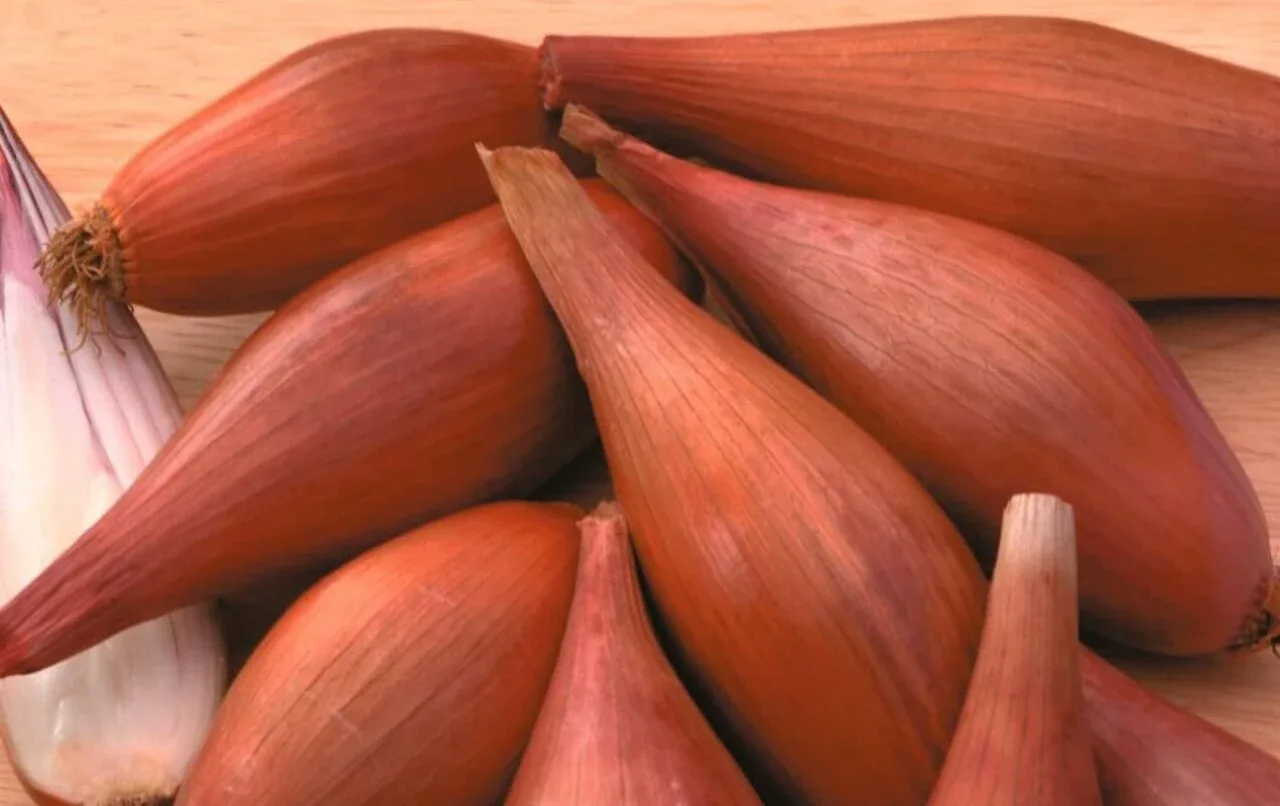
Shallots are especially suitable for:
wine or creamy sauces;
vinegar-based salad dressings;
tartare and carpaccio;
French ragout;
fish and seafood;
individually stewed side dishes.
It is best to use shallots in dishes where delicate flavor is important. Without leaving a strong odor like regular onions, they add a complex and elegant taste to sauces.
Which onion to choose?
The choice depends on the dish being prepared:
For frying and stewing — yellow onion.
For salads and marinades — red or white onion.
For garnishing finished dishes — green onion.
For puree soups and casseroles — leek.
For delicate sauces — shallot.
Changing the type of onion in the same recipe can also significantly refresh the taste of a dish. Therefore, it is advisable to choose an onion not just by its color, but by taking into account its taste and how it changes during the cooking process.



Comments 0
…