


Why Is a Basketball Orange?
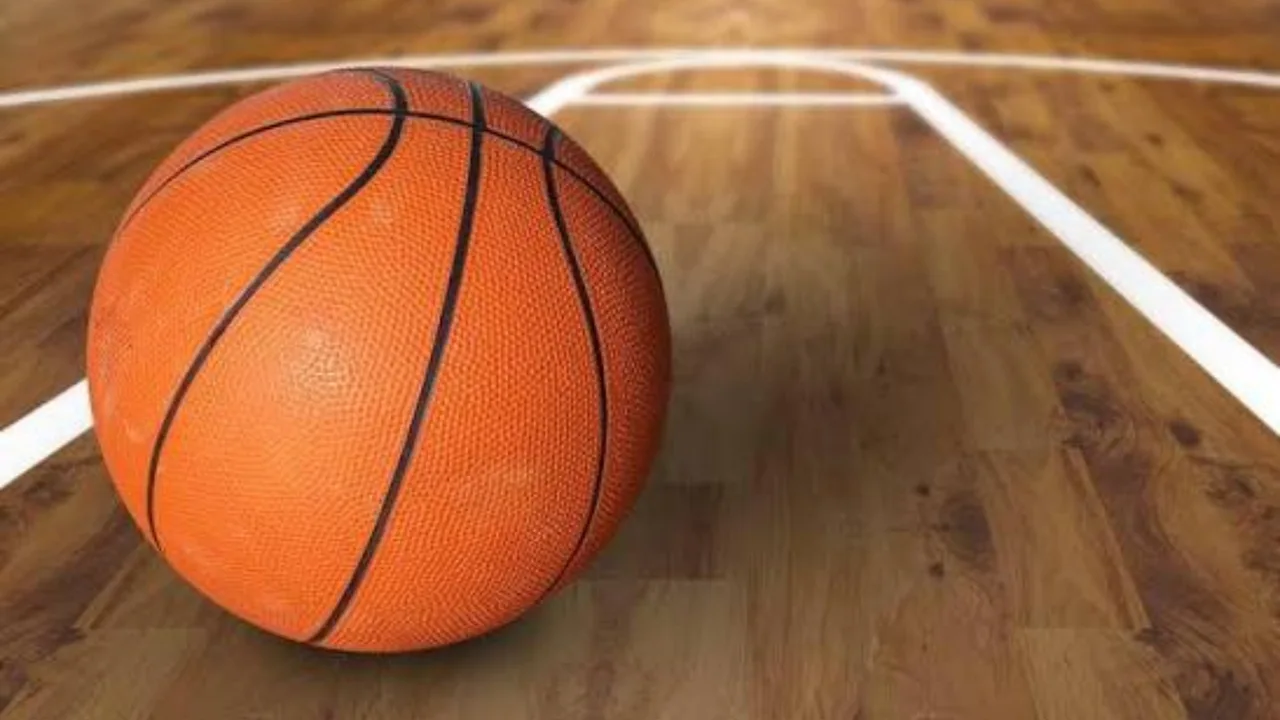
Basketball was invented in 1891 in Springfield, Massachusetts, USA, by James Naismith, a YMCA physical education instructor. He set out to create a new team game that could be played indoors during the fall and winter and would be safer and less injury-prone than football.
At first, there was no ball specifically designed for basketball. Naismith used an ordinary dark-brown leather football. Even the baskets were different from those used today—they were simple peach baskets fastened to high posts.
By the late 1890s, balls made specifically for basketball began to be produced. However, they were still made of dark-brown leather and held together with fabric laces. These laces made the ball's bounce uneven and difficult to predict. Later, modern balls made from rubber and synthetic materials began to be introduced.
Why did the ball become orange?
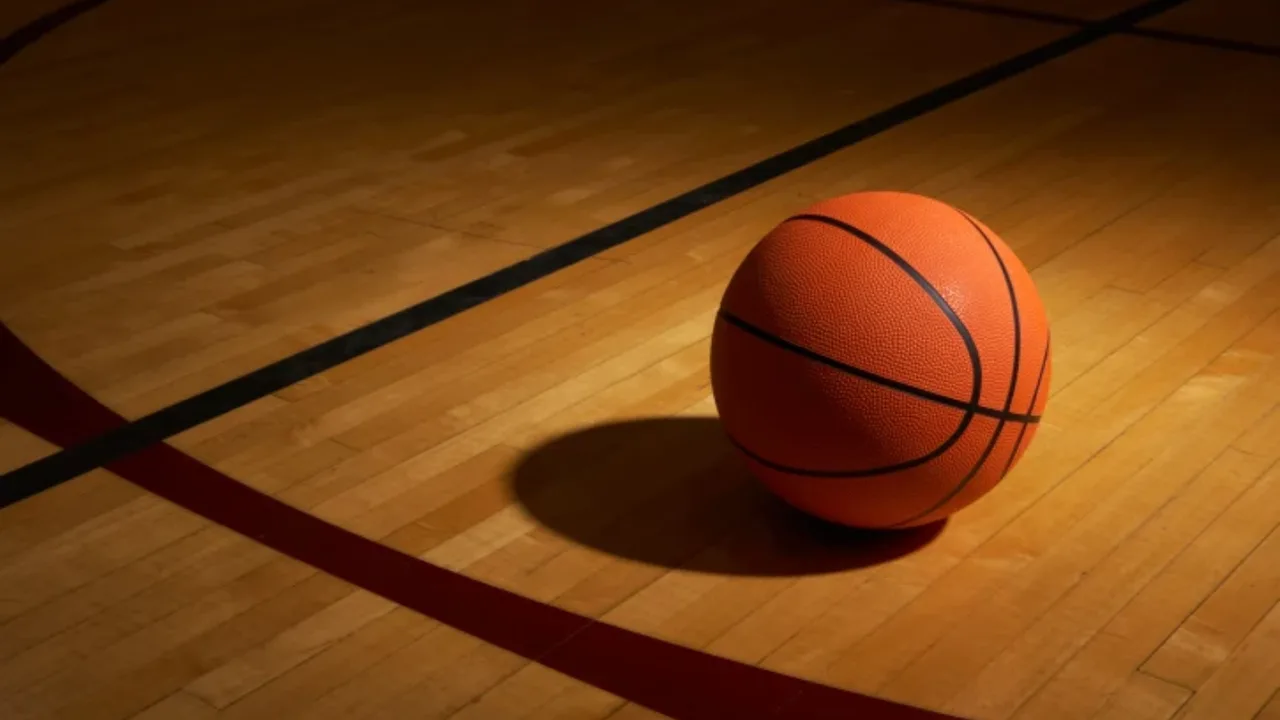
In the late 1940s, molded balls made from rubber, leather and synthetic materials appeared, and by 1949, their size and weight had been standardized. However, the ball was still dark brown.
In the 1950s, Chicago physical education teacher and coach Paul «Tony» Hinkle noticed a serious drawback of this color. The dark-brown ball was not visible enough during fast-paced play, either among the players on the court or to fans watching from a distance.
Hinkle then suggested painting the ball bright orange. The new color made the ball much easier to see. This simple but effective idea quickly gained popularity, and orange balls began to be widely used by teams, sports halls and competitions across the United States.
Today, some leagues and competitions also use balls in other colors or with various patterns. Nevertheless, the orange basketball remains one of the sport's most recognizable symbols. The color is important not only for its aesthetic appeal but also because it makes the game easier to follow on the court and on screen.


Comments 0
…