


Hina's Sodium-Ion Batteries Approach Tesla Levels
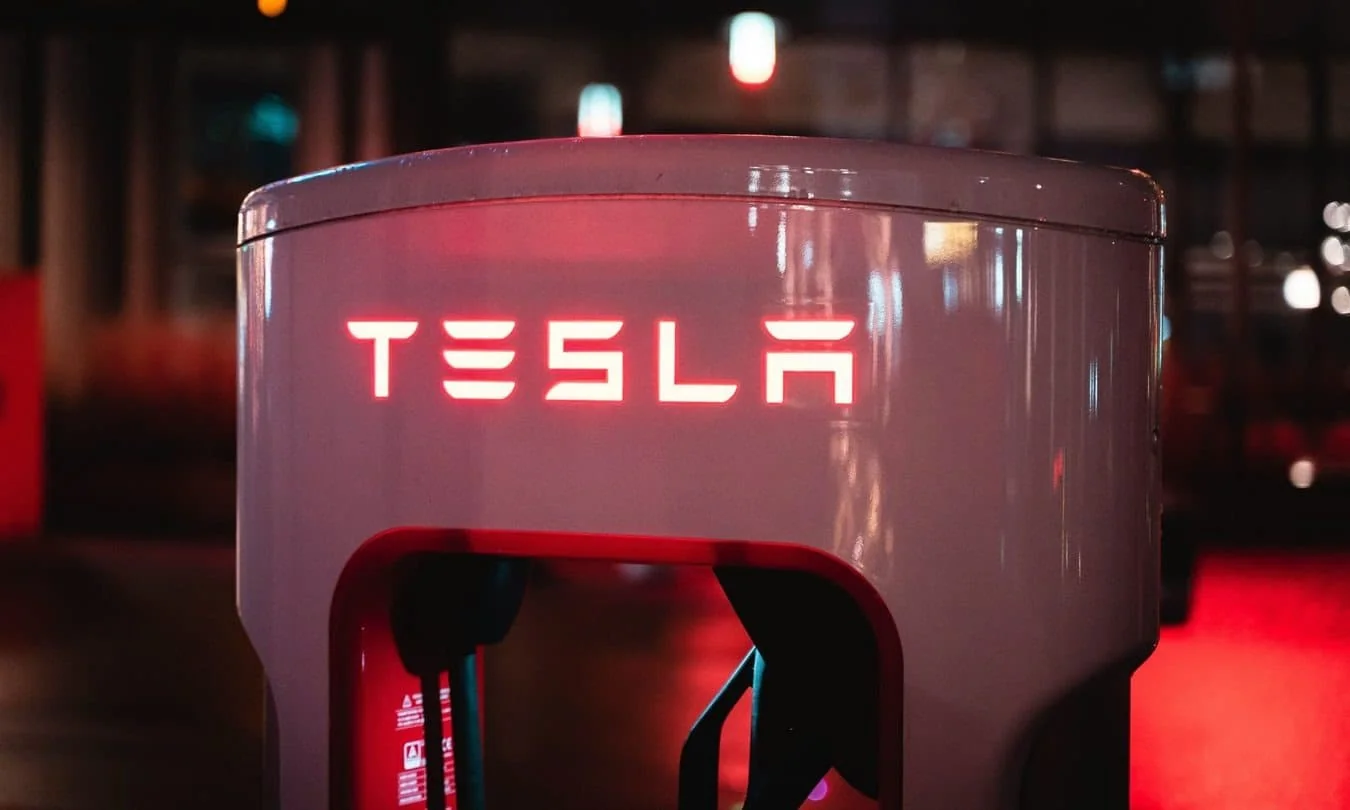
New sodium-ion batteries developed by the Chinese company Hina are approaching the technical specifications of modern systems used in Tesla electric vehicles. Since this technology is based on raw materials that are significantly cheaper than lithium-ion batteries, it is expected to lead to a substantial decrease in prices in the electric vehicle market in the near future. This is reported by Ixbt.com news reports.
According to ixbt.com, extensive tests have shown that Hina batteries possess high power and stability. Researchers examined 120 battery cells using the impedance spectroscopy method. This method allows for the analysis of the battery's internal resistance and dynamic processes. The results indicated that the product fully meets the uniformity and quality standards required for mass production.
Technological Advantage and Cheap Raw Materials
The main advantage of sodium-ion technology lies in its economic efficiency. Sodium is a far more abundant and cheaper element than lithium. This allows manufacturers to create a stable supply chain independent of lithium price volatility. For countries like Uzbekistan, which are focusing on renewable energy sources, such affordable energy storage systems could be of strategic importance.The internal structure of the battery is also unique: the cathode mixture consists of sodium, copper, nickel, iron, and manganese. Importantly, the amount of expensive cobalt and nickel is reduced in this architecture, with more efficient use of copper. Additionally, unlike lithium, sodium does not react with aluminum, enabling the use of aluminum foil on both sides of the battery, which further simplifies the construction.
Existing Drawbacks and Application Areas
Nevertheless, the technology is not yet perfect. During testing, it was found that the charging process is unstable at low temperatures, particularly at -20 °C. This makes it difficult to use the batteries in cold-climate regions without a special thermal management system. Furthermore, the energy density of sodium-ion systems currently lags behind the best lithium-ion batteries.Experts believe that in the coming years, this technology could lead in the following areas:
- Small electric vehicles for urban mobility;
- Commercial vehicles and trucks;
- Stationary energy storage systems for power grids;
- Budget-segment consumer electronics.


Comments 0
…